In a move that signals a potential seismic shift in US foreign and energy policy, former President Donald Trump has expressed a clear and renewed interest in gaining access to Venezuela's colossal oil reserves. This ambition, detailed in a recent podcast analysis, forms a central plank of his anticipated approach to global energy markets should he return to power.
The Allure of Black Gold: Venezuela's Untapped Potential
Venezuela sits atop the world's largest proven oil reserves, estimated at over 300 billion barrels. For decades, this resource has been a source of both immense wealth and profound political turmoil. Under the socialist government of Nicolás Maduro, and following years of mismanagement and corruption, the country's oil industry has crumbled, with production plummeting from over 3 million barrels per day to a fraction of that figure.
The United States, under successive administrations, has imposed stringent sanctions on Venezuela's oil sector in an effort to pressure Maduro from power. The Biden administration, while maintaining the core sanctions architecture, has granted limited licences to certain companies, including Chevron, to operate there. However, Trump's vision appears far more expansive and commercially driven.

A Strategic and Personal Calculus
Analysts suggest Trump's crude appeal is motivated by a blend of strategic, economic, and personal factors. Firstly, accessing Venezuelan oil would represent a significant geopolitical coup, potentially weakening the influence of rivals like Russia and Iran in Caracas while bolstering American energy dominance. It aligns with a long-stated 'America First' goal of securing cheap, abundant fossil fuels.
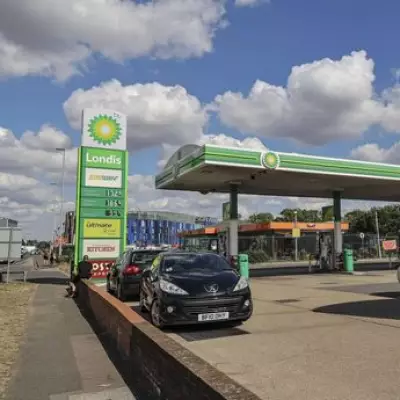
Secondly, there is a clear economic incentive. Flooding the market with Venezuelan crude could help lower global oil prices, a popular move with American voters feeling the pinch at the petrol pump. Furthermore, the opportunity for lucrative deals for American oil companies is substantial, a point not lost on a president who has historically framed foreign policy through a commercial lens.
María, a Venezuelan political analyst featured in the podcast, provides crucial context, explaining how such a policy would directly empower Maduro's regime with fresh capital, potentially undermining years of diplomatic efforts to support democratic transition. The human rights and democratic implications for the Venezuelan people remain a serious point of contention.
Consequences for Global Markets and Diplomacy
The ramifications of a major US pivot on Venezuela are profound. Such a move would destabilise the already fragile global oil market, affecting OPEC+ dynamics and the economies of other oil-producing nations. It would also mark a stark reversal from the policy of using energy sanctions as a tool of diplomatic pressure.
Within Venezuela, an influx of US investment and expertise could, in theory, revive the moribund oil industry. However, critics argue it would more likely entrench the current authoritarian leadership, offering it a vital financial lifeline without demanding democratic reforms or improved human rights.
The podcast underscores that this is not merely an energy story but a fundamental question of US foreign policy doctrine. It pits a transactional, resource-securing approach against a values-based, sanctions-driven model. The outcome of the next US presidential election could therefore determine not just the fate of Venezuela's oil, but the strategic direction of American power on the world stage.
As the global community grapples with energy security and transition, the allure of Venezuela's vast reserves remains a potent and disruptive force. Trump's overtures highlight how the quest for cheap crude oil continues to shape the ambitions of world leaders and the destinies of nations.