The Trump administration joined forces with a bipartisan coalition of state governors on Friday, 16 January 2026, in a concerted push to address looming power shortages and spiralling electricity costs driven by the explosive growth of artificial intelligence.
A Bipartisan Push for Grid Action
Officials from the White House and the governors of Virginia, Maryland, and Pennsylvania convened to pressure PJM Interconnection, the operator of the United States' largest electric grid, to take immediate action. They argue that securing reliable, affordable power is critical to winning the global AI race against China, even as public concern mounts over the vast energy appetites of new data centres.
Interior Secretary Doug Burgum, speaking alongside Energy Secretary Chris Wright at the Eisenhower Executive Office Building, emphasised the transformative potential of AI. "We know that with the demands of AI and the power and the productivity that comes with that, it’s going to transform every job and every company and every industry," Burgum stated. "But we need to be able to power that in the race that we are in against China."

Proposed Solutions and Mounting Frustration
The proposed plan has two key components. First, officials want PJM to hold a special power auction, allowing technology companies to bid on contracts to finance the construction of new power plants. This would ensure data centre operators, not ordinary consumers, bear the cost of their substantial energy needs.
Second, they are urging PJM to extend a consumer cost-containment cap, first imposed last year under gubernatorial pressure. This cap limits increases in wholesale electricity payments to power plant owners and is currently set to expire in mid-2028.
The governors present—Glenn Youngkin of Virginia, Wes Moore of Maryland, and Josh Shapiro of Pennsylvania—expressed clear frustration with PJM's pace. Governor Moore insisted, "We need for PJM to take action, we need for PJM to take it seriously," while Governor Youngkin labelled the situation a "massive, massive crisis."
Consumer Impact and Structural Challenges
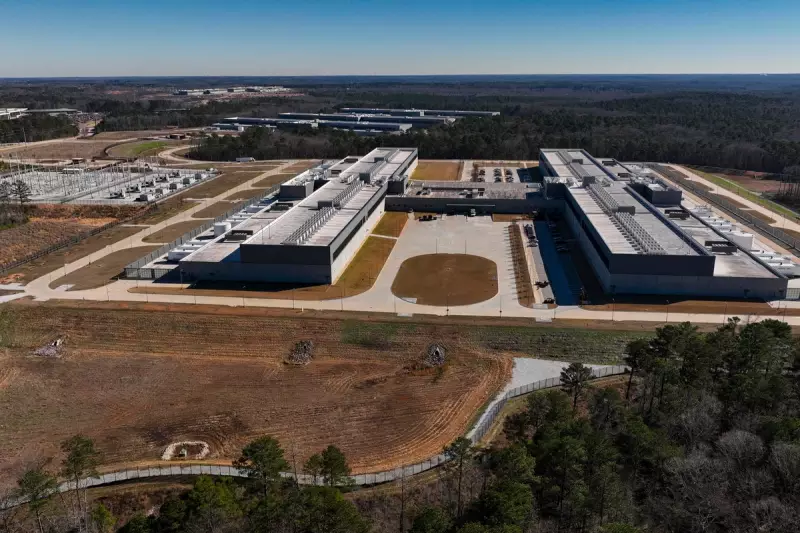
The political move comes as millions of Americans struggle with rising electricity bills, which in many regions are outpacing inflation. While factors like strained natural gas supplies and costly grid upgrades play a role, energy-hungry data centres are a significant contributing factor in areas like the PJM grid.
This grid covers all or parts of 13 states from New Jersey to Illinois, plus Washington, D.C. Analysts note that ratepayers there are already on the hook for billions to underwrite power for data centres, including some not yet built. Critics argue this financial burden is not translating into the new power generation urgently required.
Rob Gramlich, president of consultancy Grid Strategies LLC, called the auction idea "new and creative" but highlighted systemic hurdles. He noted that obtaining construction permits in the mid-Atlantic is slower than in regions like Texas, and that deregulation in many PJM states left utilities without long-term power contracts. "States and consumers in the region thought that power was there for them, but the problem is they hadn’t bought it," Gramlich explained, leaving supplies vulnerable to being snapped up by large tech developers.
While not invited to the Friday event, a PJM spokesperson said its board is finalising its own plan after months of work and will review the officials' recommendations. The White House and governors lack direct authority over PJM, which is ultimately regulated by the Federal Energy Regulatory Commission, chaired by a Trump appointee.