Trump's Unfulfilled Pledge Leaves West Virginians Drowning in Electricity Debt
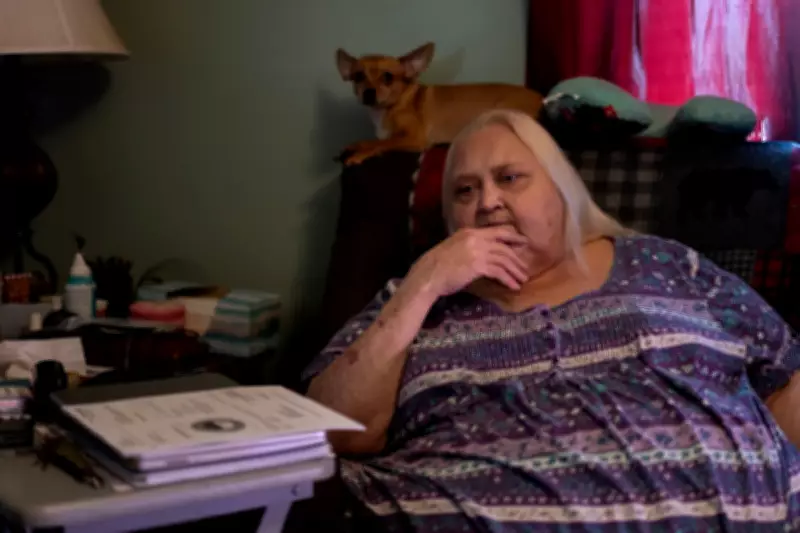
Every month, Rebecca Michalski braces herself before opening her electricity bill. Living on a fixed income in West Virginia, heating her modest home this winter has proven financially crippling. Her February charge alone reached $940.08—more than her entire monthly check. "Every time you see that power bill, you're just sick," Michalski confessed, sifting through statements totaling thousands of dollars. "I already know before I open it. I just dread seeing how much."
Campaign Promise Meets Harsh Reality
During his presidential campaign, Donald Trump vowed to "make America affordable again," specifically promising to cut Americans' electricity bills by half within his first 18 months in office. "You will never have had energy so low as you will under a certain gentleman known as Donald J. Trump," he declared. Instead, electricity costs nationwide increased 4.8% in February compared to the previous year, while piped natural gas prices surged 10.9%, according to Labor Department data. These increases occurred even before recent geopolitical tensions further inflated energy prices.
Michalski, who previously supported Trump, now feels betrayed. "It's breaking me. And there's nothing that can be done for it, unless the president does something," she said. "And I don't see him doing it. He's had plenty of time."

Energy-Rich State, Energy-Poor Residents
West Virginia presents a stark paradox: sitting atop vast deposits of coal, oil, and natural gas, yet its residents endure some of America's fastest-rising electricity costs. From 2015 to 2025, the state's average household electricity rate per kilowatt-hour surged 73%, natural gas increased 51%, and water rose 45%, according to West Virginia's Public Service Commission.
The state remains stubbornly dependent on aging coal-fired plants, which generate approximately 87% of its electricity—the highest reliance in the nation. West Virginia's Republican-led government has reinforced this dependence, blaming previous Democratic administrations for regulatory overreach while Trump promotes "beautiful, clean coal."
"Lowering electricity prices is a top priority for President Trump," asserted White House spokeswoman Taylor Rogers, who shifted blame to the Biden administration. "He is aggressively unleashing reliable energy sources like coal and natural gas."
The Human Cost of Soaring Utilities
For disabled resident Michalski, who uses a walker, conservation efforts prove futile. She avoids running electricity-sucking appliances, including air conditioning in summer, but cannot turn off her heater. Over the past year, her electricity statements exceeded $5,000. "They come and cut off your power. Then you're sitting in the dark," she predicted. "And I think for a lot of other people, it's gonna happen too."
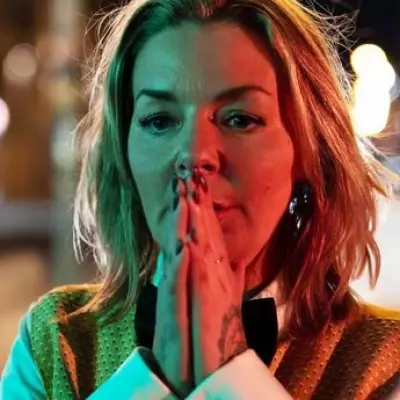
Ashley Nicole Dixon, a Dollar General manager from Danese, faces similar struggles. Despite her 1,000-square-foot home having a broken air conditioner last summer, she accumulated over $5,000 in electricity charges. "I have no choice. It has to be paid," she lamented. "And that's what makes me sick because now I'm going to have to take more money out of my savings account just to keep the lights on."
Systemic Challenges and Political Backlash
Multiple factors drive West Virginia's energy crisis: extreme weather events, aging infrastructure maintenance, rising natural gas prices, and increased demand from power-intensive data centers. The state's Public Service Commission—composed of a former power company lobbyist and former coal association head—has approved numerous rate hikes.
Compounding the problem, West Virginia's median inflation-adjusted household income was lower in 2023 than in 1970, according to the Urban Institute. This income stagnation means residents devote larger portions of their earnings to utilities compared to other Americans.
Political repercussions are emerging. Rising electricity bills influenced recent gubernatorial elections in New Jersey and Virginia, and cost concerns are expected to impact upcoming midterms. An AP-NORC poll found 35% of U.S. adults are "extremely" or "very" concerned about affording electricity in coming months.

Broader National Implications
Nationwide, electricity bills have increased approximately 40% over five years, according to consumer advocacy organization PowerLines. Investor-owned utilities requested nearly $31 billion in rate increases last year—double the previous year's requests. "This is likely to continue to rise," warned Charles Hua, PowerLines founder. "This is definitely something that the Trump administration and President Trump are very concerned about."
In West Virginia, proposed legislation to freeze electricity rates or assist vulnerable residents failed in the state legislature this year. Meanwhile, Trump recently announced a "ratepayer protection" pledge with Big Tech companies promising to bear energy costs, though enforcement mechanisms remain unclear.
Community Desperation and Exodus
The crisis reaches beyond households to small businesses. In Ravenswood, baker Heather Santee saw her power terminated before Valentine's Day, owing $4,000. "Once I started getting those high electric bills in the winter, I was like, 'This will be what closes me down,'" she said. Nearby, Anthony Crihfield Jones relocated his retail shop due to unaffordable electricity charges.
Despite West Virginia's 55 counties voting for Trump in 2024, disillusionment grows. "All I heard was 'Drill, baby, drill,'" Jones recalled. "OK. Well, they're drillin'. Why's my bill the same?"
As residents like Michalski face impossible choices between food, medicine, and warmth, Trump's promise of affordable energy remains unfulfilled in the very communities that supported him most fervently.