Venezuela's interim leader, Delcy Rodríguez, has publicly defended the prospect of a major oil agreement with the United States, even as senior Trump administration figures claim Washington now effectively controls the South American nation's vast energy resources.
US Asserts Dominance Over Venezuelan Crude
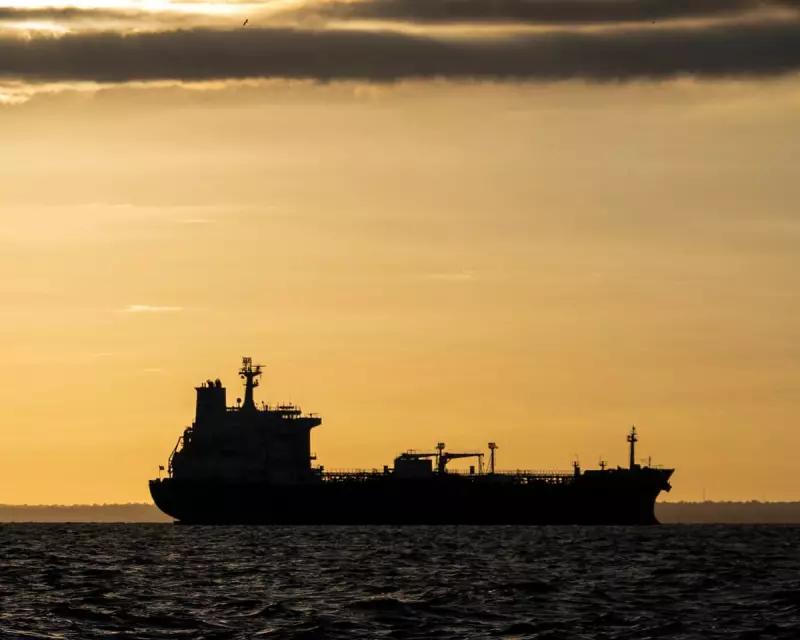
The political and economic manoeuvring intensified this week. The Trump administration seized two sanctioned Venezuelan oil tankers on Wednesday, marking a significant escalation. Concurrently, US officials announced they would take charge of marketing all future Venezuelan crude production, overseeing its global sale.
US Energy Secretary Chris Wright stated plainly: "We're going to market the crude coming out of Venezuela. First this backed-up store of oil, and then indefinitely going forward we will sell the production that comes out of Venezuela in the marketplace." This move grants the US a powerful lever over the world's largest proven oil reserves, potentially allowing it to influence global supply and prices.

Rodríguez's Pragmatic Defence and Vance's Stark Terms
Despite the US's aggressive posture, Interim President Delcy Rodríguez struck a conciliatory tone. She acknowledged that the American military action to remove her predecessor, Nicolás Maduro, had stained bilateral relations. However, she argued that trading with the US was "not unusual or irregular" and expressed that Venezuela remained "open to energy relations where all parties benefit."
This openness aligns with a deal announced by Donald Trump on Tuesday, granting US access to up to $2 billion worth of Venezuelan crude. The offer was framed as an alternative to facing further military intervention if Venezuela did not open its market to American oil firms.
The terms of any future cooperation were laid out starkly by Trump's vice-president, JD Vance, in a Fox News interview. He asserted that Venezuela would only be permitted to sell its oil if it served American strategic interests. "We control the energy resources, and we tell the regime, you're allowed to sell the oil so long as you serve America's national interest," Vance declared.
Corporate Caution and Global Repercussions
The path to reviving Venezuela's crippled oil industry is fraught with challenges. Trump is scheduled to meet with major oil company executives at the White House on Friday to discuss boosting Venezuelan production. However, reports indicate these firms are seeking "serious guarantees" from Washington before committing substantial investment.
According to the Financial Times and Reuters, executives will press for strong legal and financial protections. US officials have reportedly urged them to return quickly and inject significant capital to repair the damaged sector, but corporate risk aversion remains high.
Adding another layer of control, Trump stated on social media that Venezuela would be required to spend profits from any oil deal exclusively on US-made products. The US Energy Department has also clarified that all oil transported in and out of Venezuela must use channels approved under US law and national security interests.
This evolving situation places the Trump administration in a position of unprecedented influence over a major global oil reserve, with significant implications for international energy markets, US-Venezuela relations, and the geopolitical balance in South America.