US Ambassador Criticises UK's Clean Energy Deal, Urges North Sea Fossil Fuel Use
US Ambassador Slams UK Clean Energy Deal, Backs North Sea Oil

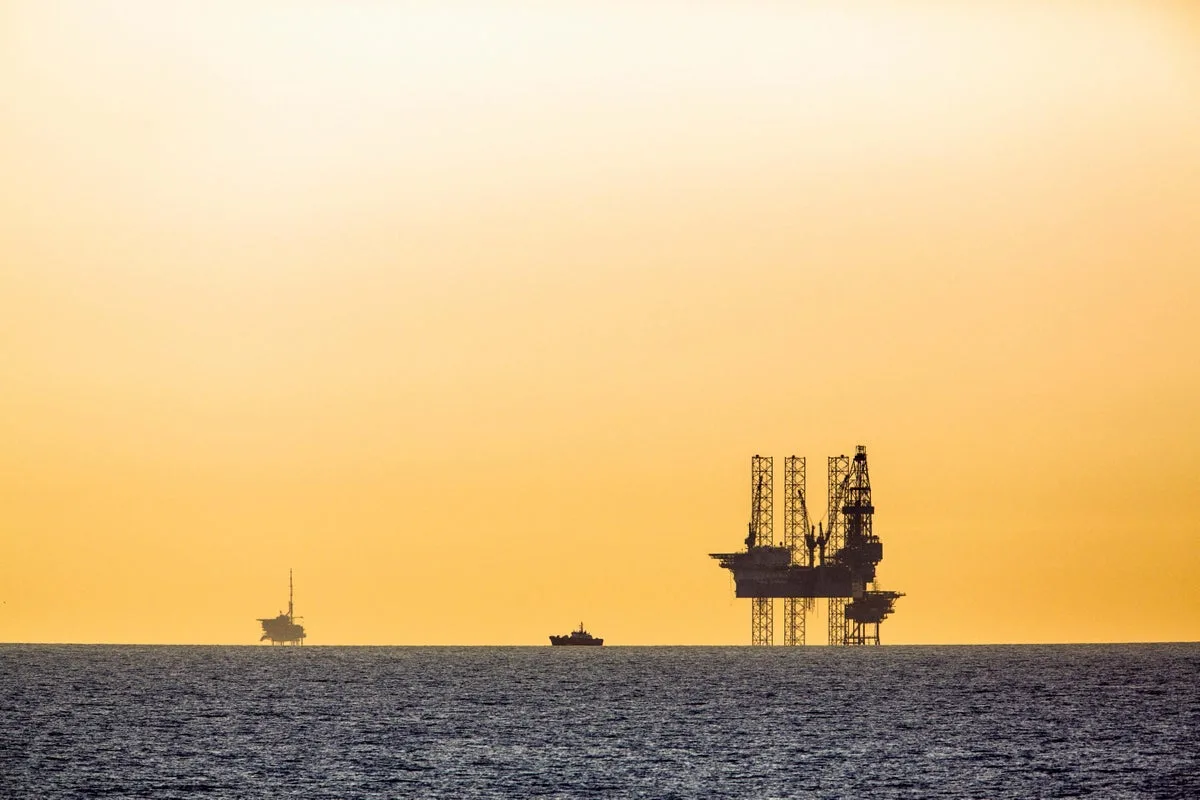
Donald Trump's representative in the United Kingdom has issued a stark warning over the nation's energy strategy, declaring that a major new clean energy pact will fail to address the country's power requirements. US Ambassador to the UK, Warren Stephens, has publicly criticised the agreement, urging Sir Keir Starmer's Government to prioritise exploiting domestic fossil fuel reserves in the North Sea.

Diplomatic Intervention on Energy Policy

The ambassador's comments directly challenge the "historic" Hamburg Declaration, which was signed on Monday by Energy Secretary Ed Miliband alongside ministers from eight other European nations, including Belgium, Denmark, France, Germany, Ireland, Luxembourg, the Netherlands, and Norway. The deal commits these North Sea neighbours to collaborate on delivering 100 gigawatts of joint offshore wind projects, including ambitious multi-country interconnection schemes.

Mr Miliband hailed the agreement as a vital step to "get the UK off the fossil fuel rollercoaster and give us energy sovereignty and abundance." However, Ambassador Stephens presented a fundamentally different view during a statement on Tuesday.

"Wind Power is Unreliable"

"The Hamburg Declaration that was signed yesterday will not resolve the UK's energy needs," Stephens asserted. "The fact is that wind power is an unreliable method to meet the needs of the people of this country."

He outlined an alternative vision, emphasising that a strong UK-US partnership begins with an "'all of the above' approach to energy policy." This strategy, he argued, must include "taking advantage of North Sea oil and gas reserves and bold action to expand nuclear energy."

Echoing Trump's Davos Critique

The ambassador's stance closely mirrors recent criticism from former President Donald Trump. Speaking at the World Economic Forum in Davos earlier this month, Trump lambasted the UK's North Sea policy, highlighting a dramatic decline in domestic energy production.

"The United Kingdom produces just one-third of the total energy from all sources that it did in 1999 – think of that, one-third – and they're sitting on top of the North Sea, one of the greatest reserves anywhere in the world, but they don't use it," Trump stated. He directly linked this policy to "catastrophically low levels" of energy and "equally high prices" for consumers.

Commercial and Strategic Interests

The US has significant commercial interests in the UK's energy sector. American firms are actively involved in the North Sea oil and gas industry, and the United States currently stands as the UK's largest supplier of liquified natural gas (LNG). This economic relationship adds a tangible dimension to the diplomatic advice being offered.

Stephens' intervention places him at odds with the current UK Government's stated direction. Ministers have committed to not issuing new licences for oil and gas exploration and have set a legally binding target for a clean electricity system by 2030.

A Clash of Energy Visions

This public disagreement underscores a profound transatlantic divergence on energy security and climate policy. The UK Government is pursuing a rapid transition towards renewables and away from fossil fuels, a path solidified by international agreements like the Hamburg Declaration.

In contrast, the US diplomatic mission, reflecting the views of the Trump administration, is advocating for a more diversified and fossil-fuel-inclusive strategy, prioritising immediate energy security and economic leverage from domestic resources. The debate highlights the complex balancing act between environmental commitments, energy affordability, and national sovereignty.