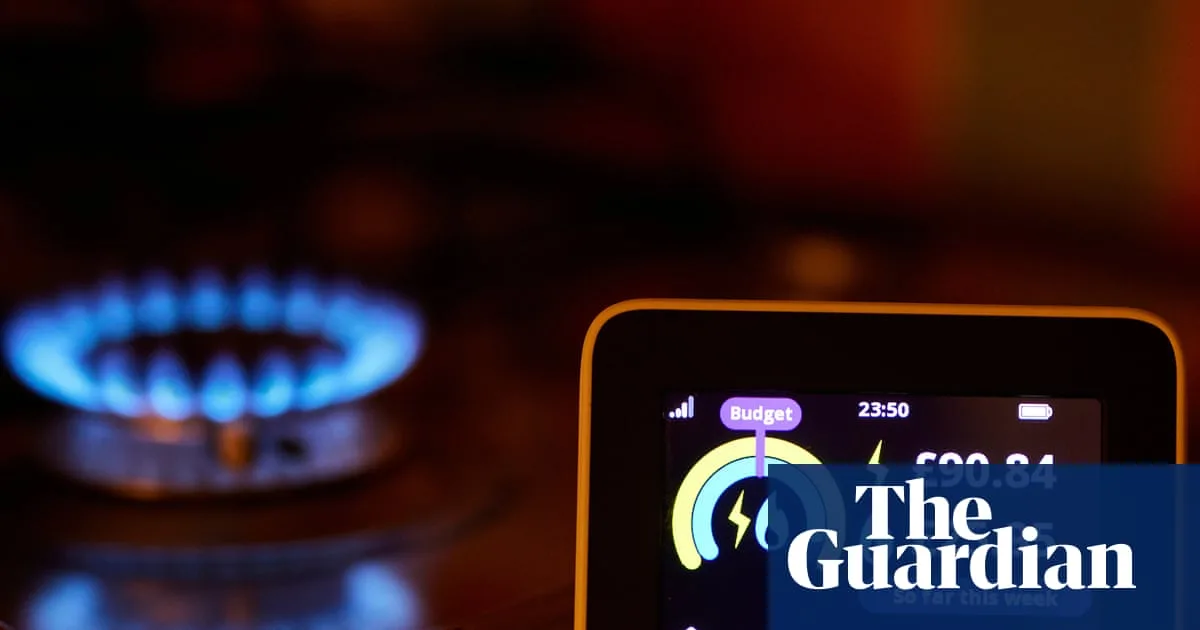
UK Energy Bills Could Surge by £500 Annually if Middle East Conflict Drags On
Energy bills in the United Kingdom could increase by an average of £500 per year if the ongoing Middle East crisis continues, according to a stark warning from a leading think tank. This potential surge comes at a time when households were beginning to see relief from the cost of living squeeze, with energy costs previously set to decline.
Sharp Rise in Wholesale Energy Prices
Wholesale energy prices have already skyrocketed by 50% following the deepening conflict in the Middle East. The sharp increase in the "spot" price is primarily driven by concerns over disruptions to oil and liquefied natural gas supplies from the Gulf region. The Resolution Foundation highlighted that this escalation has triggered a rapid rise in oil and gas prices, which could cause living costs to accelerate once more.
If sustained, these price hikes could add over £500 to the typical household energy bill during the summer months and approximately one percentage point to inflation, delivering another unwelcome shock to families across the nation.
Impact on Ofgem's Price Cap and Government Measures
This development is particularly troubling given recent positive news. Regulator Ofgem recently announced that its price cap will drop by £117 to £1,641 annually from April for the average household using both electricity and gas and paying by direct debit. The primary reason for this fall was Chancellor Rachel Reeves' £150 cut to bills, announced in the last Budget.
However, a sharp rise in wholesale energy costs, which constitute the largest single component of a typical bill, could lead to an increase in the price cap when Ofgem next updates it in July. Analyst Chris Wheaton warned that if wholesale gas prices reach 250p per therm and remain at that level, Ofgem's average price cap could surge to £2,500 per therm. Currently, wholesale prices in the UK have risen to more than 140p a therm due to ongoing uncertainty.
Expert Warnings on Inflation and Economic Stability
Professor David Miles from the Office for Budget Responsibility cautioned about the "very substantial" increase in oil and wholesale gas prices following the escalating conflict. He stressed that the key question is whether this spike will be short-term or if higher prices will persist. "Energy driven inflation is unambiguously bad for everyone in the UK," he warned, noting that it could add as much as 1% to the inflation rate.
Professor Miles added, "What will happen to inflation is particularly uncertain in the light of what has happened in the past few days." The OBR's previous forecast had inflation returning to the Bank of England's 2% target this year, but he stated, "There must be more uncertainty about that now."
Calls for Government Action and Energy Market Reforms
Reshima Sharma, deputy head of politics at Greenpeace UK, emphasized the need for government intervention. She said, "The Chancellor is under pressure to keep energy prices affordable and took a step towards this in last year's budget by moving some system costs out of bills. But with conflict spiralling in the Middle East, it's likely consumers will face soaring energy bills because we allow the price of gas to set the price of electricity most of the time."
Sharma urged the government to decouple the cost of electricity from gas and invest rapidly in solar and wind energy, alongside urgent upgrades to the UK's grid infrastructure, to reduce dependence on volatile fossil fuel markets.
Vulnerabilities in the UK Energy System
Simon Francis, coordinator of the End Fuel Poverty Coalition, explained that global price shocks translate into higher energy costs because the UK remains heavily dependent on gas, with the mature North Sea basin unable to meet domestic demand within the next few years. He noted, "Our energy system also links the cost of gas to electricity prices because the grid still relies on gas-fired power stations, although this influence eased last year."
Francis pointed out that while most households are currently shielded by the Ofgem price cap until at least July 1, 2026, the real risk lies in future developments. If elevated wholesale prices persist, they will affect Ofgem's next price cap decision in May, which takes effect from July. Additionally, suppliers may withdraw or increase the price of fixed tariff deals to avoid exposure to volatile wholesale costs during periods of uncertainty.
Households relying on heating oil are even more exposed, with the latest surge in prices posing a major concern for rural and off-grid families needing to refill in the coming weeks.