

Appalachia's Clean Energy Dreams Shattered by Funding Reversals
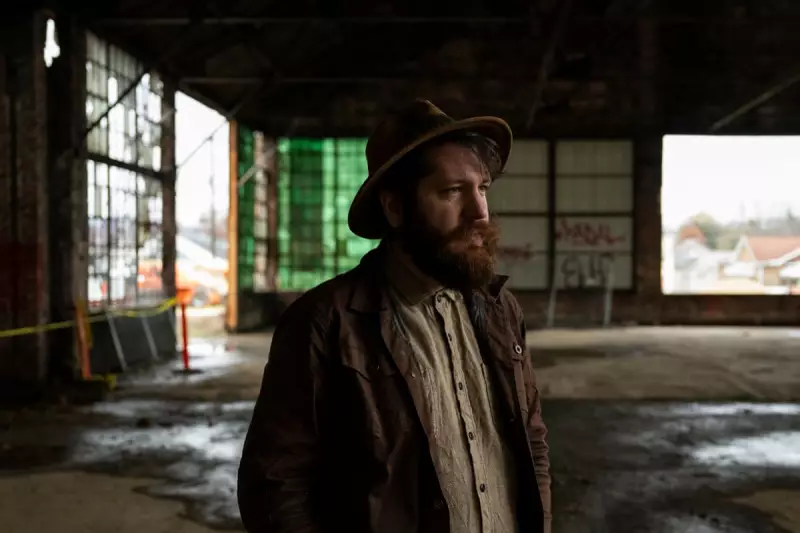
Jacob Hannah saw a historic opportunity slipping through his fingers. As CEO of Coalfield Development, he had watched as the Biden administration earmarked billions to help former coal communities transition to clean energy in 2022. Then, on his first day in office, Donald Trump scrapped the programs.
The funding represented the largest investment in Appalachia since Lyndon Johnson's 1960s "war on poverty", designed to transform the region from extractive industries to a hub for solar and advanced energy technologies. For Hannah, a fifth-generation Appalachian, the reversal felt particularly devastating.
Coalfield Development's Struggle for Survival
Hannah's organisation, Coalfield Development, has trained over 4,000 people in workforce skills ranging from solar installation to drywalling over the past 15 years. Many trainees were formerly incarcerated or in addiction recovery, representing some of the most vulnerable residents in coal country.

The funding came through Biden's landmark Inflation Reduction Act (IRA), which included a $3bn Environmental and Climate Justice Program. Coalfield Development had spearheaded a coalition that enabled coal-impacted rural communities across the US to access more than $900m of this historic investment.
"We knew we were living in a historic moment," said Hannah, 33. "It was a once-in-a-generation cash injection designed to prioritise extraction-based communities as part of the energy transition. To have it all taken away is deeply damaging and demoralising."
Real-World Consequences Across West Virginia
The impact of the funding cuts became visible across Huntington, West Virginia, where Coalfield Development is headquartered. A multimillion-dollar redevelopment of the sprawling Black Diamond warehouse has stalled, with Coalfield waiting for close to $3m in overdue reimbursements.
All six EPA grants for Reuse Corridor, a social enterprise designed to salvage and repurpose materials frequently dumped in the Ohio River, were cut. This effectively killed the business and countless job opportunities with it.
Solar Holler, a solar installation company with 105 employees across four states, had signed up for new office space in the warehouse. The company had been growing 20-30% annually, but now faces uncertainty as tax incentives for residential solar will be axed at year's end.
"The massive increase in costs ends up being passed down to customers," said Dan Conant, Solar Holler's founder and CEO. "The IRA rollbacks are obviously disappointing."
Small Communities Bear the Brunt
The damage extends far beyond Huntington. In Lee County, Virginia, where 85% of voters supported Trump, Appalachian Voices lost a half-million-dollar EPA grant that included $40,000 for an asbestos survey in Pennington Gap.
The community had planned to demolish a derelict, asbestos-ridden supermarket that frequently floods, replacing it with green space to mitigate future flooding. For small communities like Pennington Gap, securing funding is like a game of Jenga - removing just one piece can make the whole stack collapse.
Further east in Dante, Virginia, another terminated EPA grant had been tagged for converting an old railway depot into a resilience hub with solar panels and battery storage. The community suffers frequent power outages, including a four-day blackout in July and nine days after Hurricane Helene in August 2024.
Dante is also currently without a fire station after nearly $400,000 appropriated by Congress was rescinded by the Trump administration.
Political Irony in Trump Country
The funding cuts present a political paradox across Appalachia. Trump won big in West Virginia in the past three general elections, securing every county in 2024 with an average of 70% of the vote - the highest percentage any party has won in the state's history.
In Russell County, where Dante is located, Trump won 83% of the vote in 2024. Yet his administration's policies have directly harmed these loyal supporters.

Lou Ann Wallace, Dante's representative on the Republican-controlled county board of supervisors, expressed frustration: "I don't think the president knew. I'm one of his biggest supporters, but we're dealing with the ills of industry here, and we've got to be able to clean this up."
Fighting to Keep Hope Alive
Despite the setbacks, Hannah remains determined to find alternative funding sources to keep projects afloat. He's been crisscrossing the country on a mission to raise philanthropic capital to limit the economic damage.
"The funding was committed by Congress, so we know the law's on our side, and that we will eventually win back some of these grants," Hannah said. "One objective was probably to remove confidence in the system, so we need to outlast what is a game of cash flow and the battle of morale."
Across Appalachia, the race continues to save projects that would improve resilience and bring jobs to communities that have suffered decades of economic decline. The region's clean energy revival hangs in the balance, caught between political agendas and the urgent needs of its people.





