Starmer to Unveil Energy Bill Support Package for Vulnerable Households
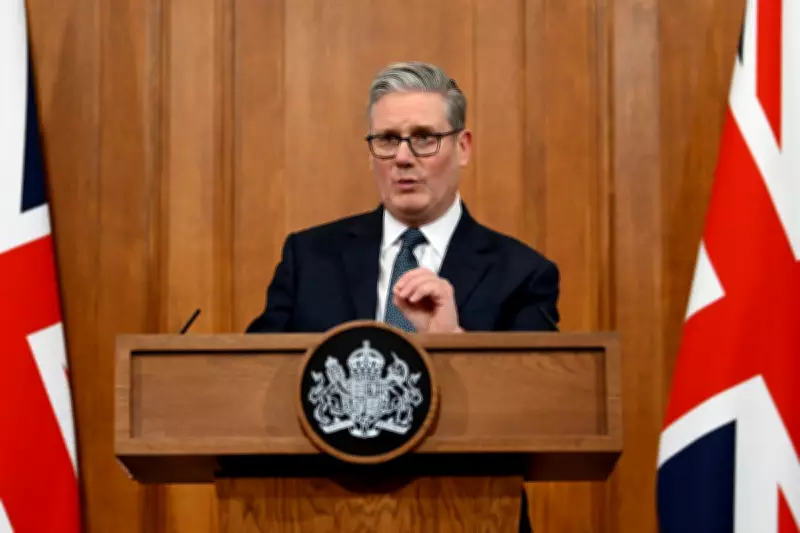
Prime Minister Sir Keir Starmer is set to announce a significant financial support package aimed at assisting the United Kingdom's poorest households with escalating energy bills. The announcement, scheduled for a press conference on Monday, comes as the government grapples with the economic fallout from the ongoing conflict in the Middle East, which has triggered sharp increases in global oil and gas prices.
Targeted Aid for Heating Oil Users
The core of the support package will focus on households reliant on heating oil, a fuel source not covered by the standard energy price cap. Approximately 1.5 million homes, predominantly in rural areas, have seen the price per litre of heating oil skyrocket from around 62p to as much as £1.73 since the crisis began. One consumer reported to the BBC that a quote for 500 litres of oil jumped from £315 to £653 within days of the conflict's escalation.
Chancellor Rachel Reeves is expected to detail the full package next week, with sources indicating it will involve direct payments to vulnerable households and be valued at tens of millions of pounds. The exact number of beneficiaries remains unspecified, but the initiative is designed to provide immediate relief to those most affected by the price surges.
Government Takes Firm Stance Against Profiteering
In a marked shift in tone, Prime Minister Starmer will also issue a stern warning to energy companies, threatening legal action against firms accused of exploiting the crisis. Allegations have surfaced that some heating-oil suppliers are cancelling orders and unjustifiably hiking prices. "I will not tolerate companies trying to exploit this crisis to make money from working people," Starmer will state. "If the companies have broken the law, there will be legal action."
This stance is reinforced by Chancellor Reeves, who has written to the Competition and Markets Authority (CMA), urging it to remain on "high alert" for "unjustifiable" price increases. Over the weekend, the chancellor and Energy Secretary Ed Miliband met with fuel providers to warn against profiteering from the Iran war, emphasising the government's commitment to protecting consumers.
Broader Economic Context and Future Measures
The crisis has heightened fears of a repeat of the 2022 cost-of-living crisis, which followed Russia's invasion of Ukraine. Oil prices have surged over 20% to above $100 per barrel, while gas prices have jumped more than 50%. Although gas and electricity bills are currently protected by Ofgem's price cap until June, analysts at Cornwall Insight forecast a potential 10% increase from July, pushing the typical annual dual-fuel bill to £1,801—a £160 rise.
The Treasury is actively exploring additional support measures for households reliant on gas and electricity, should prices remain elevated when the price cap lifts in June. Chancellor Reeves has indicated that the government is considering "more targeted options" through the Iran response board, a group of Treasury ministers and officials. However, she has downplayed the likelihood of a blanket energy bailout similar to the £35 billion package deployed during the Ukraine crisis, citing concerns over the national debt. "It is important, even when there is an economic shock, that you continue to be disciplined about your use of public money," Reeves stated.
Political and Diplomatic Dimensions
Prime Minister Starmer's address will also underscore the link between geopolitical stability and domestic economic security. He will assert that de-escalation in the Middle East is paramount for safeguarding household finances, stating, "We will continue to work towards a swift resolution of the situation in the Middle East. Because there is no question that ending the war is the quickest way to reduce the cost of living."
Energy Secretary Ed Miliband has echoed this sentiment, vowing to "fight the British people's corner" over rising fuel costs and assuring that the government will intervene on bills if necessary. "We are going to stand by people in this crisis," Miliband affirmed on Sunday. The government has also opened discussions on potentially scrapping a planned fuel-duty hike in response to the energy price spike.
As the situation evolves, the Starmer administration faces the dual challenge of providing immediate relief to struggling households while managing fiscal constraints and pursuing diplomatic solutions to mitigate long-term economic impacts.