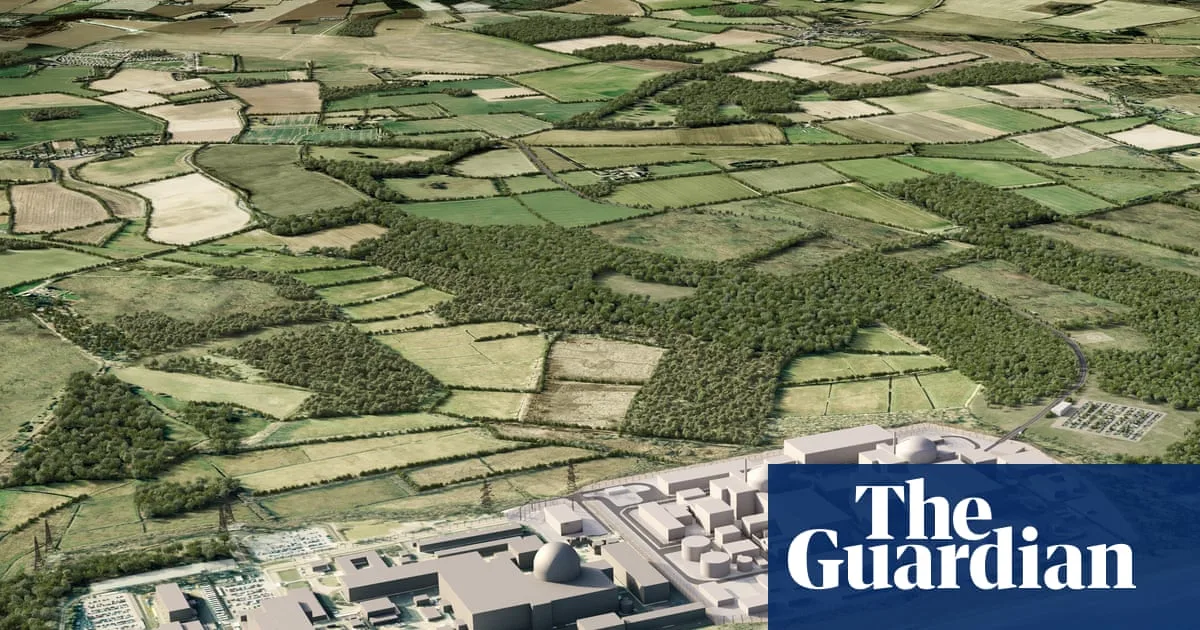
The UK government has reached a deal worth over £38bn with private investors to back construction of the Sizewell C nuclear power station on the Suffolk coast. The long-awaited agreement, funded through taxes and energy bills, gives the final go-ahead for the project, which has almost doubled in cost since it was first proposed.
The consortium includes the French state-owned EDF, British Gas parent Centrica, Canadian investment group La Caisse, and investment manager Amber Infrastructure. The government will retain the largest stake at 44.9%, with EDF holding 12.5%, Centrica 15%, La Caisse 20%, and Amber an initial 7.6%.
Households will begin paying £1 a month from this winter towards construction costs, and the financing framework shields investors from delays and overruns even if the total cost rises to £47bn. This differs from the Hinkley Point C model, where EDF earns revenue only once the plant generates electricity.
Chancellor Rachel Reeves called the investment “a powerful endorsement of the UK as the best place to do business and as a global hub for nuclear energy.” Centrica chief executive Chris O’Shea said he expected returns of nearly 11% and that they would be “acceptable” even at £47bn, adding he was confident Sizewell would be quicker to build than Hinkley Point.
Sizewell C is expected to power 6 million homes from the mid to late 2030s, create 10,000 construction jobs, and save the electricity system £2bn a year once operational. The project has promised electricity at £86–£100 per megawatt-hour over its 60-year life, compared to a market reference price of just over £80. Anti-nuclear campaigners have criticised the deal, saying billpayers could be left to cover cost overruns.