Millions of households across the UK are searching for ways to reduce their energy costs this winter, following the latest increase to the Ofgem price cap in January 2026.
The simple kitchen change that saves pounds
While the rise was a modest 0.2%, it means the typical annual bill is now £1,758, which is £20 higher than the cap set for the first quarter of 2025. In response, organisations like the Energy Saving Trust are urging consumers to adopt small but effective habits.
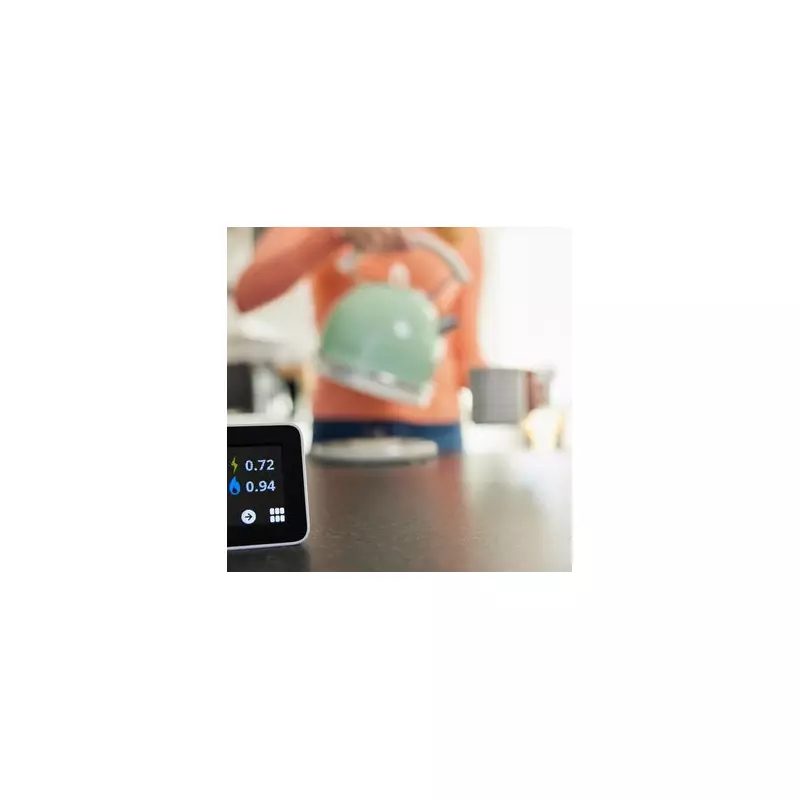
One of the most straightforward pieces of advice focuses on a kitchen staple: the kettle. The Trust highlights that many people routinely boil more water than they need, wasting electricity. By simply filling the kettle only with the water required, a household can save an estimated £10 a year in Great Britain, or £12 in Northern Ireland.

"Kettles are one of the most used appliances in the kitchen, especially during big TV and sports events," the Trust noted in an online blog. "But many people often boil the kettle with more water than they need."
Sealing draughts for bigger savings
For those seeking more substantial reductions, energy suppliers EDF and Octopus Energy recommend tackling heat loss. Identifying and sealing draughts around windows, doors, and even chimneys can lead to significant savings.
EDF Energy states that draught-proofing a chimney alone could save around £60 annually. Octopus Energy suggests that professional draught-proofing might save about £85 a year, though the initial service can cost roughly £250.
To find these heat leaks, thermal imaging cameras are invaluable tools. They visually display heat loss, with warm areas shown in red and cold spots in blue. Many local authorities loan these cameras for free, and services like the London Library of Things hire them out for about £15 per day.
Further efficiency tips from the experts
Beyond the kettle, the Energy Saving Trust recommends another inexpensive upgrade: fitting an aerator to your kitchen tap. This device reduces water flow without impacting performance and could save £20 a year in GB and £18 in NI.
Octopus Energy, which has loaned thermal cameras to nearly 5,000 customers, emphasised the dual benefit of such measures. "We genuinely want to help our customers be more energy efficient," a spokesperson said. "It's simply the right thing to do, not only because it keeps your bills low, but because it’s better for the environment as well."
With the price cap at a record high, these practical steps offer a tangible way for consumers to regain some control over their winter energy expenditure.