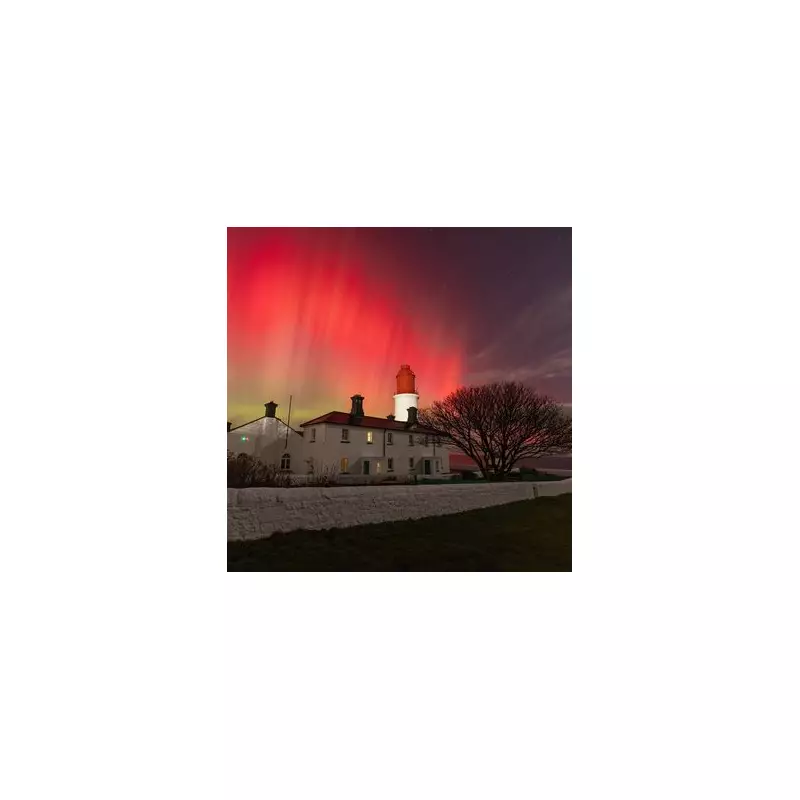
The United Kingdom is on alert for a potentially severe geomagnetic storm, set to arrive on Tuesday, 20 January 2026. The Met Office has issued a warning following a powerful solar flare directed at Earth, which could lead to widespread auroral displays and significant technological disruptions.
What Caused the Solar Storm Warning?
The alert was triggered after the Sun unleashed a major X-class solar flare in Earth's direction. This explosive event on the solar surface propelled a vast cloud of magnetised plasma, known as a coronal mass ejection (CME), towards our planet. The Met Office confirmed the CME's trajectory on Monday, 19 January, indicating its imminent arrival.
A CME originates from the Sun's corona, its outermost atmosphere. When this billion-ton cloud of solar material collides with Earth's magnetic field, or magnetosphere, it can trigger a geomagnetic storm. The intensity of the incoming storm has prompted forecasters to predict a strong G3 category event, with a significant chance of escalating to a severe G4 storm.

Potential Impacts and Spectacular Side Effects
The scale for geomagnetic storms runs from G1 (minor) to G5 (extreme). A G4 event, classified as severe, carries substantial risks for modern infrastructure. The Met Office alert outlines several key areas of concern:
- Satellite Operations: Spacecraft could experience surface charging and tracking problems. Increased atmospheric drag on satellites in low Earth orbit may require corrective manoeuvres for orientation.
- Navigation & Communications: High-frequency radio signals and GPS satellite navigation may be degraded or interrupted for several hours.
- Power Grids: There is a risk of voltage control problems for power networks, potentially leading to protective system triggers.
However, the storm also promises a breathtaking natural spectacle. The intense solar activity is expected to push the auroral oval much further south than usual. This means the Northern Lights (Aurora Borealis) could be visible across the entirety of the UK, including southern regions, given clear, dark skies.
Monitoring and Preparedness
NASA's Solar Dynamics Observatory (SDO) continues to monitor the Sun's activity, providing crucial data. The visualisation of the Sun around 10pm GMT on 18 January showed significant activity leading to the flare. The Met Office's Space Weather Operations Centre is closely tracking the CME's progression and will update warnings as necessary.
Authorities advise infrastructure operators to implement protective measures for vulnerable systems. For the public, the main advice is to look north after dark on Tuesday night for a potential celestial light show, while being aware of possible temporary disruptions to mobile and navigation services.