Chancellor Under Mounting Pressure Over Energy Price Crisis
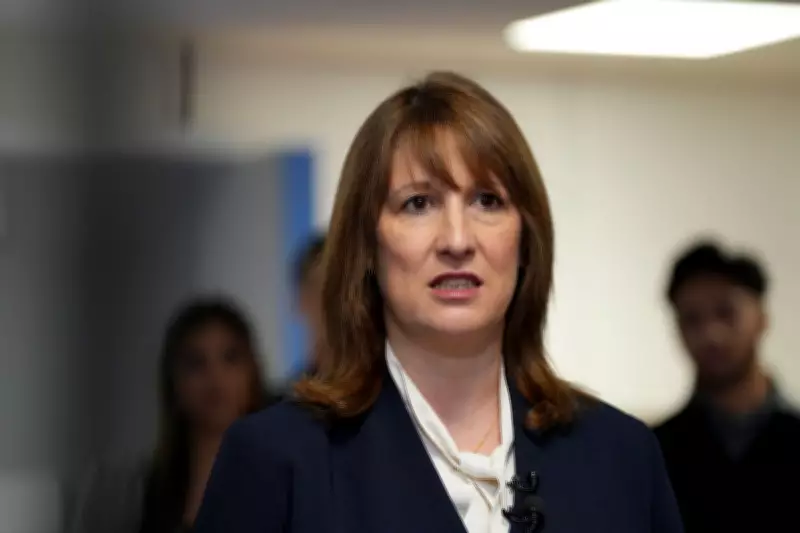
Chancellor Rachel Reeves is facing intensifying pressure to develop an emergency strategy to address potential surges in energy and fuel prices, as escalating conflict between the United States and Iran threatens to disrupt global supplies. With her spring statement on the economy scheduled for Tuesday, Labour MPs and other political figures are demanding concrete proposals to shield households from what analysts warn could be devastating price hikes.
Conflict Threatens Global Energy Markets
The immediate trigger for concern is the closure of the Strait of Hormuz, a critical maritime chokepoint for Middle Eastern oil and gas exports. Following retaliatory attacks by Iran against tankers, shipping traffic through the strait has largely ground to a halt. This development has already sent shockwaves through energy markets, with Britain's benchmark gas price, NBP, soaring by 54 percent to 122p per therm on Monday. The global benchmark for oil, Brent crude, also rose approximately 9 percent to $79.40 per barrel.
Analysts are painting a stark picture of the potential domestic impact. Tom Marzec-Manser, director for European gas and LNG at Wood Mackenzie, highlighted the severity, noting that around 20 percent of the world's liquefied natural gas supply is now at risk. "The prospect of such a significant portion being cut off has unsurprisingly led to a sharp rise in prices," he stated. "The duration of the Strait's closure will be the key determinant for future price movements."

Household Bills Could Skyrocket
Chris Wheaton, managing director and senior oil and gas analyst at Stifel, provided a sobering forecast for UK consumers. He warned that a sustained closure of the Strait of Hormuz could drive wholesale gas prices to 250p per therm. This scenario would translate to an annual energy price cap of approximately £2,500 for households, representing a significant increase from current levels. Wheaton suggested that prices could triple if the shipping lane remains blocked for more than six weeks, or if US efforts to secure it prove unsuccessful.
The situation has evoked memories of the energy crisis triggered by Russia's invasion of Ukraine, which forced the previous government to implement a £120 billion bailout package to freeze prices. This historical precedent is adding urgency to the calls for preemptive action from the Treasury.
Political Pressure Mounts on Multiple Fronts
Within the Labour Party, MPs are vocal about the need for a robust government response. Graeme Downie, Labour MP for Dunfermline and Dollar and a member of the Commons' energy select committee, emphasized the rapid and painful consequences for the UK. "It will be those who have the least who will be hurt the most," he told The Independent. Downie framed the crisis as part of a broader pattern of global instability, urging the government to accelerate improvements in energy infrastructure and defence spending to build national resilience.
Opposition parties are also adding their voices to the chorus. The Liberal Democrats have called on Chancellor Reeves to abandon a planned 1p increase in fuel duty scheduled for September. Daisy Cooper, the Lib Dem Treasury spokeswoman, argued that proceeding with the hike amidst soaring fuel prices would be "disastrous" for families already facing a cost-of-living squeeze.
This view is echoed by campaign groups. Howard Cox of FairFuelUK urged the Chancellor to declare a fuel duty freeze for the duration of the Parliament and cancel any planned increases. He argued that such a move would stimulate economic growth, alleviate inflationary pressures, and provide political stability. Cox also pointed to long-term energy security, suggesting that greater exploitation of North Sea oil and gas fields would reduce UK vulnerability to Middle Eastern conflicts.
Market and Consumer Warnings
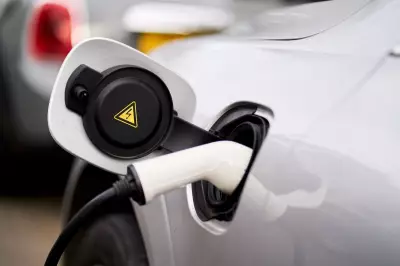
The Automobile Association has issued a stark warning to motorists. AA President Edmund King stated that the turmoil "will inevitably lead to price hikes," predicting that "record prices at the pumps" could materialize within "10 to 12 days." This forecast underscores the immediate and tangible impact the geopolitical crisis could have on everyday expenses.

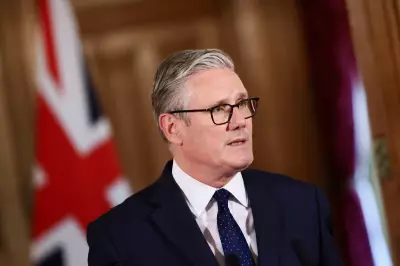
In Parliament, Sir Keir Starmer sought to reassure MPs that the government is taking measures to safeguard energy supplies. However, the focus remains squarely on Chancellor Reeves and the actions she will announce in her spring statement. The Treasury has been approached for comment on its plans, but the precise details of any emergency package or price control measures remain undisclosed ahead of Tuesday's address.
The coming days will be critical. As the conflict in the Middle East escalates, the Chancellor's response will be scrutinized not only for its immediate economic impact but also for its effectiveness in insulating the UK from the volatile shocks of an increasingly unstable global landscape.