Chancellor Accused of Squandering Opportunity to Axe Energy Windfall Tax
Chancellor Rachel Reeves has ignited a political storm by declining to abolish the controversial Energy Profits Levy in her spring statement, drawing fierce condemnation from both the SNP and Conservative opposition. The two parties have united in accusing the Labour Chancellor of a grave missed opportunity to bolster the North Sea oil and gas sector and enhance Britain's energy security.
Opposition Parties Launch Scathing Attacks
The SNP and Tories have launched coordinated assaults on the Chancellor's decision, arguing that maintaining the expanded windfall tax—introduced after Labour's general election victory—is damaging the economy, stifling investment, and costing vital jobs in the energy industry. They contend that the spring statement presented a pivotal moment to recalibrate policy toward domestic energy production.
Scottish Finance Secretary Shona Robison expressed profound disappointment, stating: "It is very disappointing that the Chancellor does not appear to have heeded repeated warnings from across the energy industry on the urgent need to remove the tax grab on Scotland's energy." She urged an immediate legislative end date to prevent further job losses and called for urgent four-nations discussions on motoring taxation, highlighting concerns over fuel duty and rising household energy bills amid global instability.
Andrew Bowie, the Conservative shadow energy minister, delivered a blistering critique, linking the decision to recent Middle East conflicts. "This was an opportunity for Labour to reset the dial when it comes to North Sea oil and gas. Events in the Middle East over the past few days have shown domestic energy security to be crucial," he said. Bowie added sarcastically that when ministers open the GB Energy office in Aberdeen, "they might as well switch the lights off. It'll save them some money," accusing the government of maintaining a path that jeopardises energy independence.
Industry Voices Warn of Economic Consequences
Industry bodies have echoed the political criticism, warning that the Energy Profits Levy is having a detrimental impact on the North Sea sector. The tax is reportedly undermining economic growth and reducing overall tax revenues, creating a counterproductive cycle that harms both businesses and the public purse.
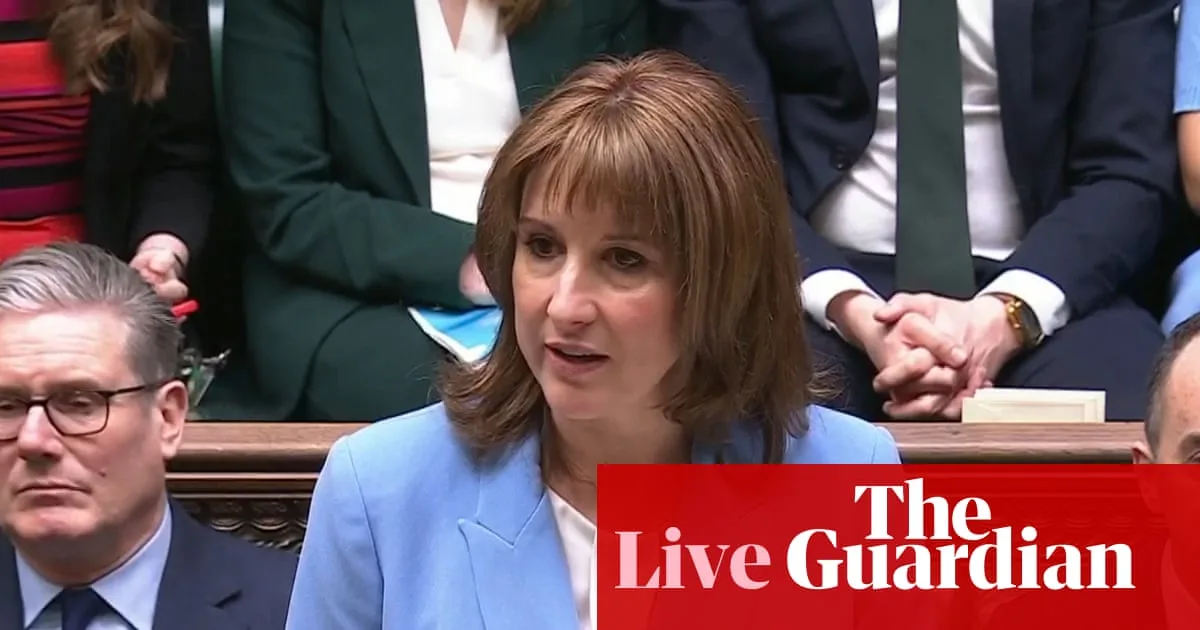
In her statement, Chancellor Reeves defended her economic strategy, insisting it is restoring stability in an uncertain global landscape. She presented updated Office for Budget Responsibility forecasts, which revised growth for 2026 down to 1.1% from 1.4%, though she maintained the overall economic outlook remains largely unchanged with slightly higher growth anticipated in subsequent years.
Business Reaction: A Mixed Response
The Scottish Chambers of Commerce offered a nuanced perspective, describing the spring statement as a "fiscal non-event" but welcoming its steadiness. Chief Executive Charandeep Singh remarked: "While new policy announcements might make for more exciting headlines, recent experience shows that volatility in fiscal policy can undermine business confidence." He emphasised that predictability allows businesses to plan and grow, though he called for the autumn budget to shift from stability to a clear long-term strategy enhancing competitiveness and energy security.
Conversely, the Federation of Small Businesses issued a stark warning that the statement fails to address escalating cost pressures facing firms. Chair Guy Hinks stressed: "The small businesses which are the backbone of the Scottish economy need to see measures to ease these enormous cost pressures in order to support jobs and growth." He urged the UK Government to prepare support measures for potential future energy price crises and highlighted practical steps needed from the next Scottish Government to alleviate burdens on over 370,000 small businesses.
The controversy underscores deepening political divides over energy taxation, with the Chancellor facing sustained pressure to reconsider a policy that opponents argue undermines national interests at a time of heightened global uncertainty.