With energy prices remaining high and Brits facing the depths of winter, staying warm is a priority. I tested two radiator fans in 2025 to see if they could heat my living room faster and more cheaply. My living and dining room combined is the largest room in the house and takes the longest to warm up, even after upgrading the radiators.
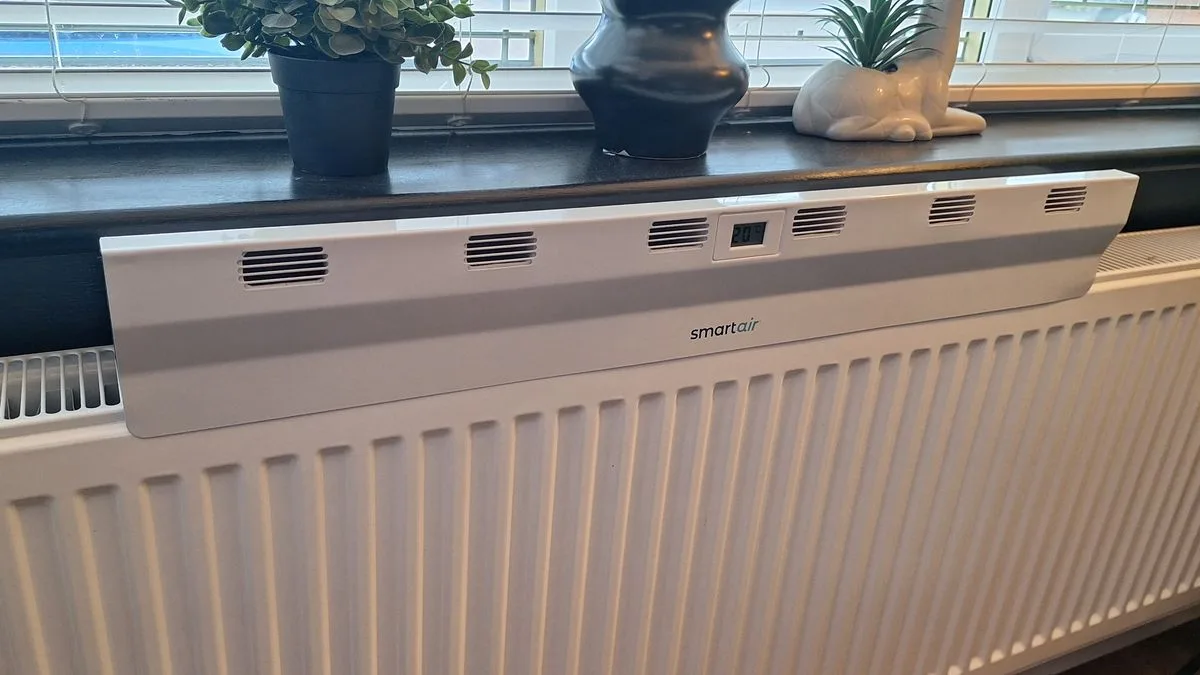
The two products tested were the SmartAir Boost XL Fan Heater (£70 at Argos) and SpeedComfort radiator fans (from £49.95 on Amazon). The SmartAir sits on top of the radiator and blows air horizontally into the room, while the SpeedComfort fits under the radiator and directs air upwards. The SpeedComfort is more aesthetically pleasing as it is hidden, whereas the SmartAir is visible.
Both fans made a noticeable difference in warming the room more quickly. The SmartAir directs warm air into the room rather than letting it rise to the ceiling, reducing wasted energy. It also has a battery function, though battery life is limited. The SpeedComfort requires plugging in. Both are easy to set up and automatically turn on or off based on radiator temperature.
However, the SmartAir is noisy on its highest setting; I use it on low, which is still effective but not quiet. In a busy room with a TV on, it is not noticeable, but it could annoy in a quiet bedroom. The main drawback of the SpeedComfort is its price. While effective, the initial outlay is high—equipping all radiators in my house would cost over £900—making it hard to recoup the cost through energy savings.
Overall, I prefer the SmartAir for its direction of warm air and lower price, despite the noise. For those on a budget, radiator foil is a cheaper alternative to reflect heat back into the room.