New polling has revealed a stark ethical dilemma at the heart of Britain's green energy transition, with the public stating that Net Zero goals should be pushed back rather than achieved using technology made with slave labour.
Public Rejects a 'Slave-Made' Green Transition
The research, commissioned by the UK's independent anti-slavery commissioner Eleanor Lyons, found that nearly eight in ten (79%) adults would prefer the UK to delay reaching its Net Zero targets than purchase solar panels or wind turbines from countries using forced or child labour. The survey of 3,006 UK adults was conducted between November 25 and 27, 2025.
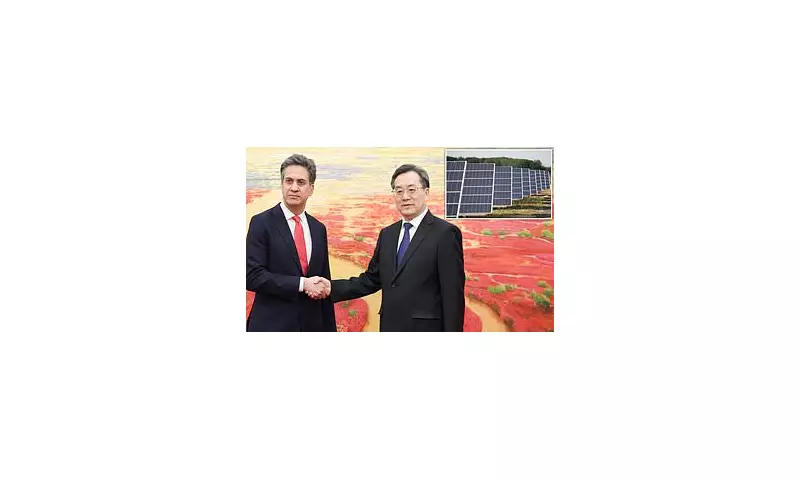
An even larger majority, 83% of respondents, believe the Government has a duty to ensure all products and materials bought for Net Zero projects are ethically sourced. This sentiment creates a significant challenge for Energy Secretary Ed Miliband, who is poised to invest billions in a rapid green energy rollout.

Billions in Investment vs. Tainted Supply Chains
Mr Miliband is expected to unveil proposals next month to allocate up to £13 billion over four years as part of the Government's warm homes plan. This policy shift will fund household grants for installing solar panels, heat pumps, and battery storage. It will also lift restrictions on 'plug-in' solar panels for balconies and patios, potentially making them available in supermarket aisles.
However, campaigners warn that it is currently impossible to source green technology guaranteed to be free from forced labour in its supply chain. Most materials and manufacturing originate in China, where serious and repeated concerns have been raised about the use of forced labour in Uyghur communities.
Eleanor Lyons stated unequivocally: ‘Britain must stop being the world’s dumping ground for goods made with forced labour. It’s time to draw a hard line and shut our doors to these products.’ She added, ‘The public is clear: the race to net zero cannot come at the expense of victims of slavery.’
Political and Security Concerns Mount
The issue has drawn sharp political criticism. Claire Coutinho, the Conservative energy spokesman, labelled Labour's approach a ‘mad dash to Net Zero’ that would make the UK ‘much more dependent on imports of Chinese equipment.’ She highlighted security risks and cited the former head of MI6's description of the plans as ‘completely crazy’ for national security.
Luke de Pulford of the Inter-Parliamentary Alliance on China argued the UK has ‘legislated ourselves into one through net zero targets which cannot be achieved without Beijing’s tainted supply chains.’ He called for diversification away from China and a ‘just transition’ not built on forced labour.
The Government maintains that ‘No company in the UK should have forced labour in its supply chains,’ and expects businesses to eradicate it. Earlier this year, Mr Miliband bowed to pressure to ensure no forced labour was used in the supply chains of the state-owned GB Energy.