

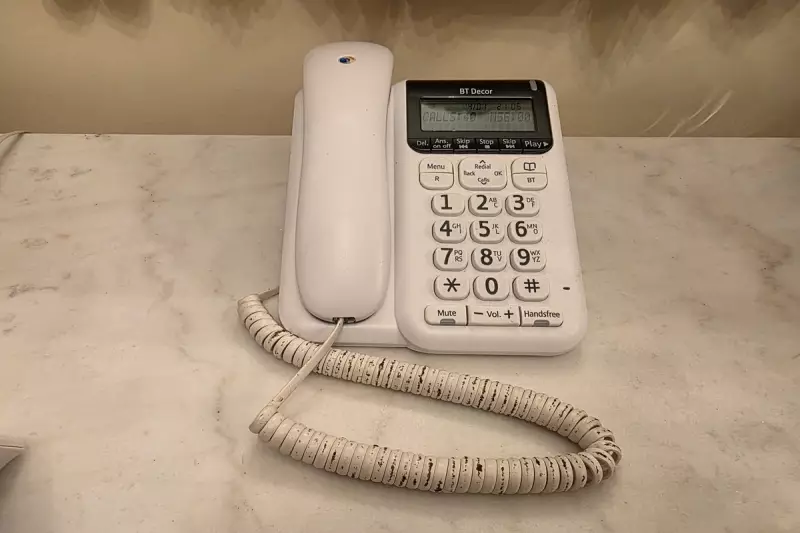
In an age dominated by fibre optics and mobile networks, an old-fashioned landline telephone proved to be a critical lifeline for poet Frieda Hughes during a severe winter storm. The incident, which left her rural community isolated, highlights the vulnerabilities of modern digital infrastructure during extreme weather events.
Storm Goretti Brings Isolation
On Friday 16 January 2026, a powerful weather system named Storm Goretti swept across parts of the UK, bringing heavy snow and disruptive winds. For Hughes and her neighbours, the storm's impact was immediate and profound. The electricity supply failed, plunging homes into darkness and cutting off the central heating systems that many rely on.
Despite the power outage, Hughes's Rayburn stove, which burns oil, continued to function. This allowed her to cook food and boil water, providing a crucial source of heat and sustenance. Outside, a deep and silent blanket of snow settled on the landscape. The weight of the frozen accumulation became so heavy that tree branches began to snap, a sombre resource that Hughes noted could be gathered for firewood later.

The Failure of Modern Networks
The storm's consequences extended far beyond a simple loss of electricity. The event exposed the fragility of contemporary communication systems. Mobile phone networks, often seen as a reliable backup, failed as backup batteries drained and signals became unavailable. Broadband internet, a service many depend on for information and emergency contact, vanished entirely, described by Hughes as being "in a place beyond helplines."
This digital blackout left the community dangerously cut off. Hughes took action, carrying flasks of hot tea to elderly neighbours who were left without warmth and, critically, without any means of communication to call for assistance. The situation underscored a growing societal dependence on technology that can be rendered useless in a crisis.
The Analogue Lifeline
Amidst the failure of modern tech, one piece of outdated equipment came to the fore. Hughes's traditional, wired landline telephone, which draws power directly from the telephone exchange rather than the home's mains supply, remained fully operational. This analogue connection became her only reliable source of information, receiving vital power outage updates from the utility companies when all other news sources were inaccessible.
The poet vividly described the scene as the community's vulnerabilities were laid bare, "flapped about us like tatty coats in the slow cold of twenty-four hours." For a full day, the humble landline served as a vital tether to the outside world, a stark contrast to the failed digital alternatives.
This incident raises important questions about national resilience planning. As the UK faces more frequent and severe weather due to climate change, the reliance on digital infrastructure that requires local power could pose a significant risk. Hughes's experience with Storm Goretti serves as a potent reminder that sometimes, the simplest and most robust technology is the one that endures.






