Households across the UK are being urged to take a simple yet crucial step to ensure their heating systems operate efficiently during the winter months. The Office of Gas and Electricity Markets (Ofgem) has issued important advice that could help keep homes warmer while potentially reducing energy costs.
Why Bleeding Radiators Matters
In a recent social media post on platform X, Ofgem highlighted the importance of bleeding radiators to maintain an efficient heating system. The regulator explained that this process removes trapped air bubbles that can prevent hot water from circulating properly within radiators.
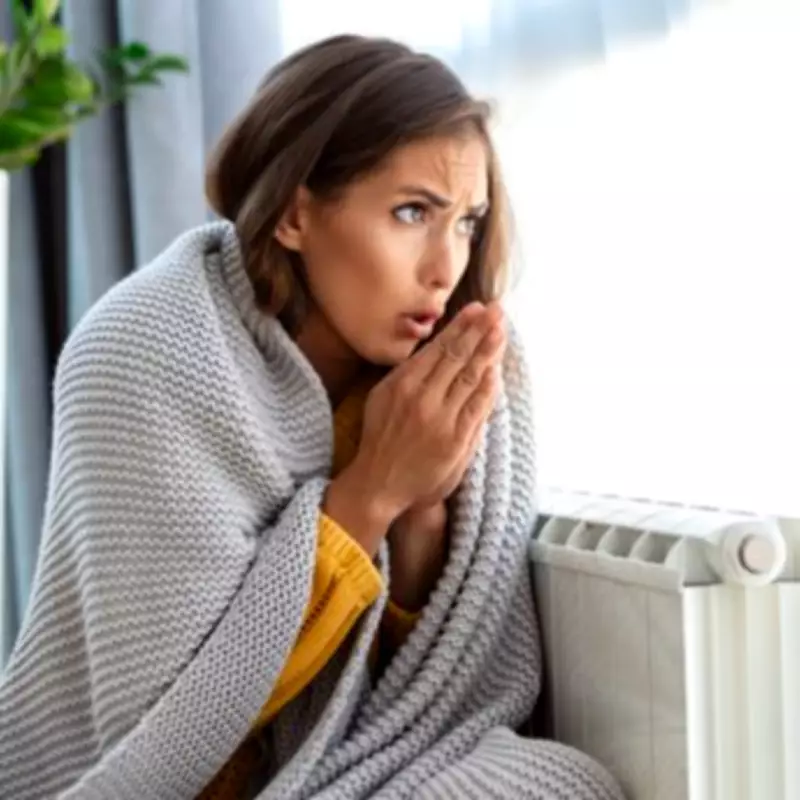
Failing to address this issue could leave your home feeling colder than necessary while simultaneously increasing your energy expenditure over time. When air becomes trapped in radiators, it creates cold spots that reduce heating effectiveness, forcing your boiler to work harder and consume more energy.

Identifying When Radiators Need Bleeding
Consumer experts at Which? provide clear guidance on recognising when your radiators require attention. "Radiators need bleeding every few years to get rid of trapped air bubbles," they advise.
The simple test involves placing your hand on the top of a radiator while the heating is on. If the top feels cool or significantly colder than the bottom portion, this indicates trapped air that needs releasing through bleeding.
British Gas recommends this regular maintenance, particularly after extended periods when heating systems haven't been in use. "Bleeding your radiators is key for keeping your boiler running efficiently, which in turn keeps your home warm and your energy bills as low as possible," the energy provider states.
Step-by-Step Guide to Bleeding Radiators
Which? confirms that bleeding radiators is typically a straightforward task that most homeowners can undertake themselves. The process requires minimal equipment: a radiator bleed key (or alternative tool), a cloth or towel, and a container to catch any water.
- Turn off the heating and allow radiators to cool for 20-30 minutes to prevent burns from hot water
- Locate the bleed valve, usually found at the top side of the radiator
- Place a container beneath the valve with a cloth ready to catch drips
- Insert the bleed key and slowly turn anticlockwise until you hear a hissing sound (air escaping)
- Close the valve when water begins to leak out, turning clockwise to seal
- Check boiler pressure after bleeding multiple radiators - it should read between 1.0 and 2.0 bar
- Increase pressure if needed following manufacturer instructions or consulting a qualified engineer
- Turn heating back on and verify that previously cold radiator tops now heat properly
Important Considerations and Alternatives
For those without a traditional radiator key, alternatives exist. Modern radiator designs may be bled using a flat-head screwdriver or Allen key instead. "As long as you make sure you've turned your heating off and allowed your radiators to cool down, you can use various tools to bleed your radiators," British Gas confirms.
However, experts caution that if your entire home fails to heat properly despite bleeding radiators, you may have an unbalanced heating system requiring professional attention from a plumber or heating engineer.
Regular radiator maintenance represents a practical approach to winter preparedness that can enhance home comfort while potentially yielding savings on energy bills during the colder months.