Ministers Confront Energy Executives Over Soaring Fuel Costs
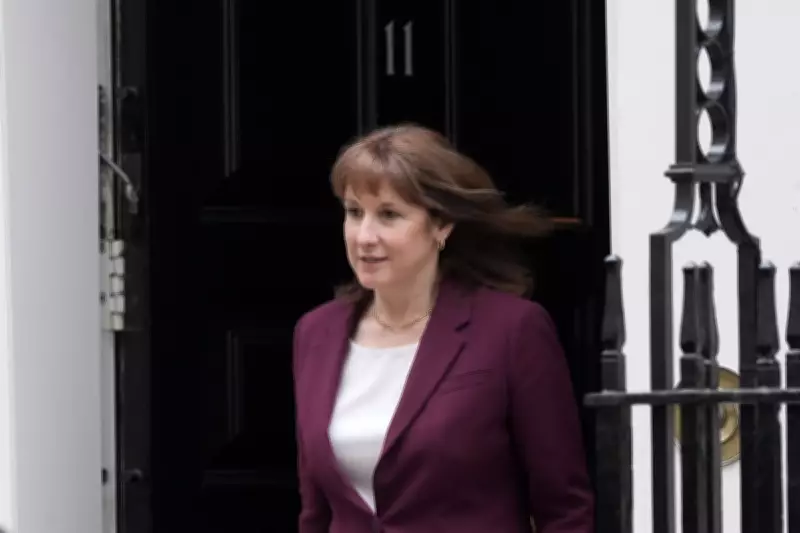
Chancellor Rachel Reeves and Energy Secretary Ed Miliband are demanding urgent answers from energy and fuel company bosses regarding what they describe as "rip-off" price increases. The senior ministers will hold a critical meeting with industry leaders on Friday to issue a stern warning against profiteering during a period of dramatically escalating oil prices.
Middle East Conflict Drives Global Price Surge
The confrontation comes as Brent crude, the global benchmark for oil prices, has surged beyond $100 per barrel for the first time since 2022 following the outbreak of conflict between the United States and Iran. This substantial increase has raised significant concerns about the impact on the cost of living across the United Kingdom, with particular pressure on household budgets.
Chancellor Reeves has declared unequivocally that she "will not tolerate" energy firms exploiting the geopolitical situation in the Middle East to generate excessive profits. She has vowed to implement a rigorous crackdown on what she characterizes as unfair fuel pricing practices that leave consumers paying inflated amounts.

Among those most severely affected are customers who rely on home heating oil, which operates outside the regulatory protection of Ofgem's energy price cap. Simultaneously, drivers across the nation are grappling with rapidly increasing petrol and diesel prices at fuel stations, creating additional financial strain for commuters and families.
Regulatory Scrutiny Intensifies
Ahead of the crucial discussions, Chancellor Reeves has formally written to the Competition and Markets Authority requesting that the watchdog maintain "high alert" status for monitoring any "unjustifiable" price increases within the energy sector. The ministry confirmed this proactive step as part of broader efforts to protect consumer interests.
"I'm backing drivers and families completely, and I expect nothing less than a fair deal at the pump," Reeves emphasized in her public statement. "There must be no exploitation of current circumstances for corporate gain at the expense of ordinary people."
Opposition Calls for Policy ReconsiderationHowever, the Automobile Association has cautioned that consumers will inevitably face higher costs due to genuine global price increases, while simultaneously urging the chancellor to postpone a planned increase in fuel duty scheduled to begin this September. The proposed policy would gradually phase out a temporary 5p reduction in the levy, starting with an initial 1p rise.
Prime Minister Sir Keir Starmer has indicated that the government will keep the situation "under continuous review" in light of the escalating Middle East conflict and its economic repercussions.
Nuclear Energy Overhaul Announced
The ministerial meeting coincides with the government unveiling comprehensive reforms to the United Kingdom's nuclear planning and regulatory framework. In an effort to accelerate nuclear energy delivery, officials have accepted all recommendations from the Fingleton Review, which identified an "overly complex" and "bureaucratic" system that has historically impeded industry progress.
Energy Secretary Ed Miliband commented: "The current Middle East conflict demonstrates with absolute clarity that we must move further and faster to develop clean energy sources. This will reduce our dependence on volatile fossil fuel markets and strengthen our national energy security."
He added that a crucial component of this strategy involves "speeding up infrastructure development in ways that reduce costs while simultaneously delivering better environmental outcomes."
Fuel Price Monitoring EscalatesWhile these long-term reforms targeting fossil fuel dependency are projected for completion by the end of 2027, the Competition and Markets Authority has simultaneously placed fuel retailers "on formal notice" regarding intensified monitoring of petrol and diesel pricing. The watchdog has accelerated requirements for companies to supply detailed revenue, cost, and sales data for analysis.

The regulatory body will specifically examine how rapidly fuel prices increase compared to how quickly they decrease when wholesale costs change, investigating potential evidence of so-called "rocket and feather" pricing practices where prices rise quickly but fall slowly.
Substantial Price Increases Documented
Recent data from the RAC reveals that diesel prices have climbed by nearly 9 percent since February 28, while petrol prices have increased by an average of 6 percent during the same period. These substantial jumps have intensified pressure on household finances and business operations across the country.
The government has highlighted its fuel finder scheme as a resource enabling drivers to compare prices at different petrol stations nationwide. This initiative has received endorsement from the Automobile Association as a valuable tool for cost-conscious consumers.
"Addressing the cost of living remains our absolute top priority," Miliband stated. "Every fuel retailer must participate in the fuel finder program so drivers can easily locate the most affordable prices. We will not hesitate to take decisive action to protect consumers from any unfair commercial practices."
Political Criticism and Policy DebateThe Conservative opposition has argued that the chancellor possesses sufficient policy tools to alleviate cost-of-living pressures but is failing to implement necessary changes. Shadow Transport Secretary Richard Holden asserted: "She could cancel the planned fuel duty increase, she could reduce taxes on energy, she could stop adding costs to fuel prices—but she isn't taking action because she lacks the necessary resolve."
Holden emphasized that "a 5p-per-litre duty increase will directly impact commuters, families, and small businesses already struggling with living costs and Labour's taxation policies. The latest Middle East developments make it even more imperative that the chancellor reconsiders her approach."