






Entertainment

Stephen Kalyn's Fiancée: Meet Victoria Lovatsis, His Longtime Partner
Off Campus star Stephen Kalyn is engaged to Victoria Lovatsis, a bookworm who inspired him to audition for the role. The couple has been together for 13 years.





Politics
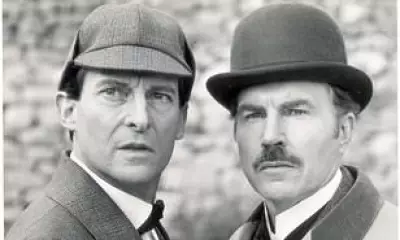
David Burke, Dr Watson in Sherlock Holmes, Dies at 92
Actor David Burke, best known for playing Dr Watson in the 1980s Sherlock Holmes series and appearing in Coronation Street, has died at age 92.


Sports

Jon Rahm Apologises After Divot Strikes Elderly Volunteer at PGA Championship
Jon Rahm issued a grovelling apology after a frustrated swing sent a divot flying into an elderly volunteer's face during the PGA Championship opening round at Aronimink.



Crime
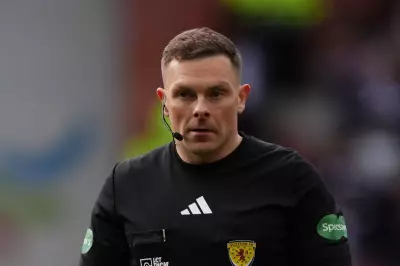
Teenager Charged Over Leak of Celtic v Motherwell Referee's Details
A 19-year-old man has been charged after referee John Beaton's personal details were leaked online following Celtic's controversial penalty win over Motherwell.






Health



Weather
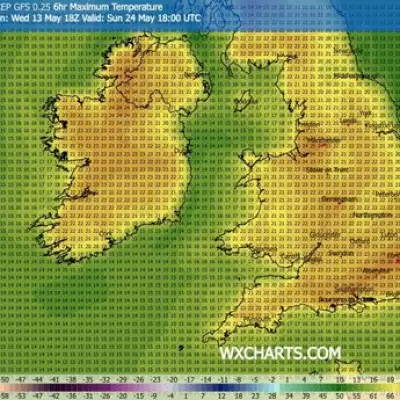
13 UK Cities to Hit 24C on Bank Holiday Weekend
Weather maps show 13 UK cities expected to reach 24C over the May bank holiday weekend, with some areas potentially hitting 25C, according to forecasters.
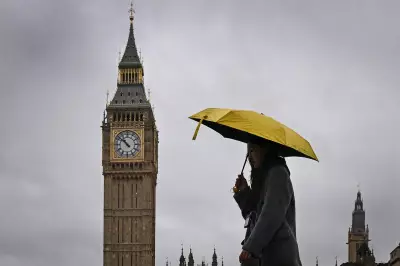
Showers Expected for London Protests and FA Cup Final
London faces showery bursts during protests and FA Cup final, while UK sees mixed weather with highs of 17C. Bank holiday may bring warmer conditions.
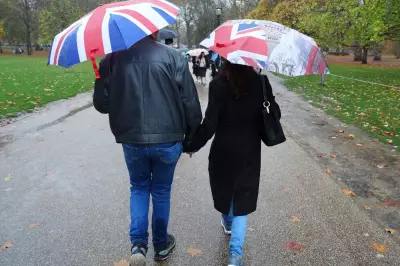
Sunshine and Showers as Thousands Head to London
UK weather forecast: sunshine and showers this weekend as thousands head to London for protests and FA Cup final. Temperatures reach mid-teens.
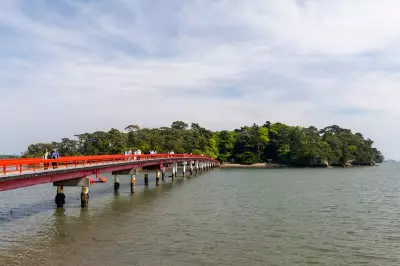
Japan Earthquake: Travel Safety Advice After 6.7 Quake
A 6.7 magnitude earthquake struck off Japan's Miyagi coast. The FCDO advises following local authorities. No tsunami warning issued.

6.7-Magnitude Earthquake Hits Japan, No Tsunami Risk
A 6.7-magnitude earthquake struck off Japan's Miyagi region, prompting warnings in five prefectures. No tsunami risk was reported.
British Isles Geography: Thursday Challenge
Thursday means geography challenge time! Test your knowledge of the British Isles with questions about landscapes, cities, rivers, and famous landmarks.
