Mali Government Implements Fuel Rationing Amid Escalating Security Crisis
Mali's military government has announced the imposition of stringent fuel rationing measures to address widespread shortages that have gripped the landlocked West African nation. The decision comes in response to a sustained campaign of attacks by armed groups affiliated with al-Qaeda, which have severely disrupted fuel imports and distribution networks across the country.
Security Threats Paralyse Fuel Supply Chains
Since September, jihadist militants linked to al-Qaeda and other extremist factions have increasingly targeted fuel transportation infrastructure. More than a hundred fuel trucks have been destroyed in violent attacks, creating a critical bottleneck in Mali's supply chain. The Mali fuel importers union has reported that only around 2,000 tanker trucks have entered the country since the beginning of the year—a dramatic reduction from the previous monthly average of up to 6,000 vehicles before the escalation in violence.
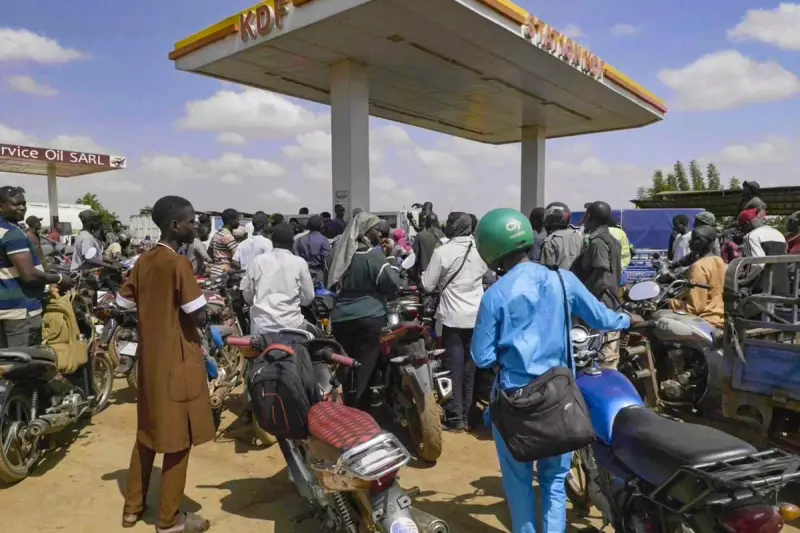
These security challenges have been particularly acute in border regions where militant groups operate with relative impunity, effectively cutting off vital supply routes to the interior of the country. The resulting shortages have led to extended queues at petrol stations and growing public frustration, especially with the Muslim holy month of Ramadan approaching in just a few weeks.

Russian Military Intervention in Fuel Distribution
In a significant development highlighting Mali's shifting geopolitical alliances, Russian troops from the Africa Corps—Moscow's state-controlled paramilitary force active in West Africa—have begun providing armed escorts for fuel convoys distributing gasoline across Mali. This military support represents a tangible manifestation of the junta's pivot away from traditional Western allies toward Russian assistance in combating Islamist militants.
Since the military coup in May 2021, Mali's government—along with the neighbouring regimes in Burkina Faso and Niger—has increasingly turned to Russia for security cooperation against militants affiliated with both al-Qaeda and the Islamic State group. A Malian fuel importer, speaking anonymously to The Associated Press, confirmed that Russian soldiers are already actively escorting fuel convoys to protect them from militant attacks.
Details of the New Rationing System
The newly announced rationing framework includes several specific measures designed to manage the limited fuel supplies more effectively:
- Mandatory registration of vehicle license plates at petrol stations
- Structured waiting periods between refuelling opportunities
- Private cars permitted to refuel every 72 hours
- Motorcycles allowed to refuel every 48 hours
Moussa Alassane Diallo, Mali's Minister of Trade and Industry, explained to petroleum product importers that the rationing system would provide authorities with "complete control" over fuel stations and enable them to "monitor the quantities of fuel sold" more precisely. Officials have framed the measures as necessary to ensure more equitable distribution among consumers, though they have not specified an exact implementation date.
Economic and Social Impacts on Malian Citizens
The rationing measures have generated significant concern among ordinary Malians, particularly those whose livelihoods depend on reliable access to fuel. Ibrahim Touré, head of the petroleum importers union, expressed conditional support, stating, "We are committed to ending the fuel crisis as long as the military continues to escort our tanker trucks."
However, taxi drivers in the capital Bamako have voiced practical anxieties about the restrictions. Oumar Coulibaly, a local taxi driver, explained the particular challenges facing his profession: "These measures may work for private cars, but for us taxi drivers, it's going to be difficult because we don't earn enough money to fill up our taxis every time we go. We do a lot of trips, and we need fuel."

Analyst Perspectives on the Crisis
Security analysts suggest the junta's decision to implement rationing was likely motivated by concerns about mounting popular discontent over prolonged fuel shortages. Beverly Ochieng, a senior analyst with Control Risks' Global Risk Analysis team, offered a sober assessment of the ongoing challenges: "The insecurity on supply routes due to militant presence and activity will remain a challenge to the transportation of fuel in the coming weeks, and the stability of supplies will vary."
This complex situation illustrates how security, economic, and geopolitical factors have converged to create a severe energy crisis in Mali, with the government now implementing extraordinary measures to manage scarce resources while depending on foreign military support to maintain basic supply lines.