

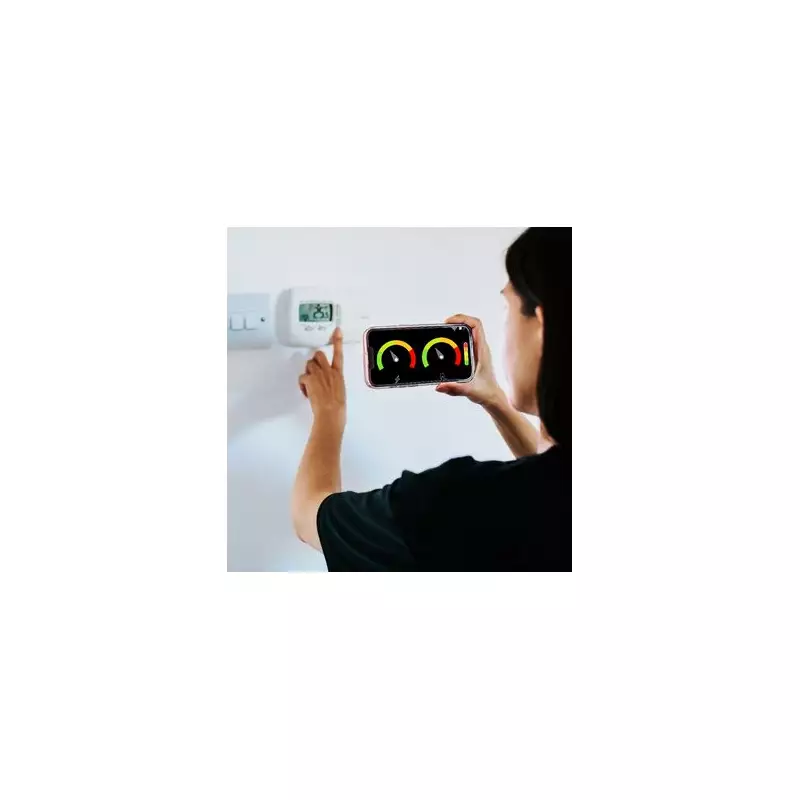
Millions of UK households are set to face higher energy costs in the new year as the regulator Ofgem prepares to increase its price cap. The change, coming into effect in just a few days, will see the typical annual bill for a dual-fuel household paying by direct debit rise to £1,758.
Why a Timely Meter Reading is Crucial
While the increase from the current cap of £1,755 is a modest 0.2%, it still represents an added financial pressure for most. However, consumers have a simple yet powerful tool to protect themselves from being overcharged: submitting an accurate meter reading. Experts strongly advise taking and providing a reading either on 31 December, the final day of the current rates, or on 1 January, the first day of the new rates.
This action prevents your energy supplier from estimating your usage across the price change period, which can often lead to you paying more than you actually owe. A precise record also serves as vital evidence if you need to dispute any incorrect or questionable charges on a future bill.

How to Read Your Meter Correctly
Providing an accurate reading depends on knowing what type of meter you have. Here is a guide to the most common varieties found in British homes.
Standard Digital Meter
These meters show a series of digits. You should write down the first five numbers shown from left to right, ignoring any digits displayed in red.
Two-Rate Digital Meter (Economy 7)
This meter displays two rows of numbers. Note down both the top and bottom rows in full, again disregarding any red digits.
Dial Meter
Dial meters feature a series of clock-like faces. Read the first five dials from left to right, ignoring any red dials or those marked 1/10. If a pointer is between two numbers, record the lower number. If it is between 9 and 0, write down 9. If the pointer is directly on a number, note that number and underline it. If the next dial is between 9 and 0, reduce the underlined number by one.
What If You Encounter Problems?
With many people trying to submit readings on 1 January, supplier websites may experience high traffic or temporary crashes. If you cannot submit your reading on the exact day, do not panic. Most energy companies allow you to submit a reading retrospectively for up to a week, but it is wise to check your supplier's specific policy.
Additionally, if your meter is faulty or you cannot access it, contact your supplier as soon as possible to explain the situation. For households with a smart meter, readings are sent automatically, so manual action is not required.
A final critical warning: it is a criminal offence to deliberately provide a false meter reading to your energy company. Such action is considered fraud and can have serious legal consequences.






