

The Energy Crisis Deepens as Political Battles Intensify
Britain faces a critical juncture in its energy policy as the closure of ExxonMobil's Mossmorran plastics plant threatens 400 jobs while political opposition mounts against Shell's proposed Jackdaw oil field off the Aberdeen coast. The debate has exposed deep divisions between environmental campaigners and those prioritising energy security and economic growth.
The Mossmorran Closure and Jackdaw Controversy
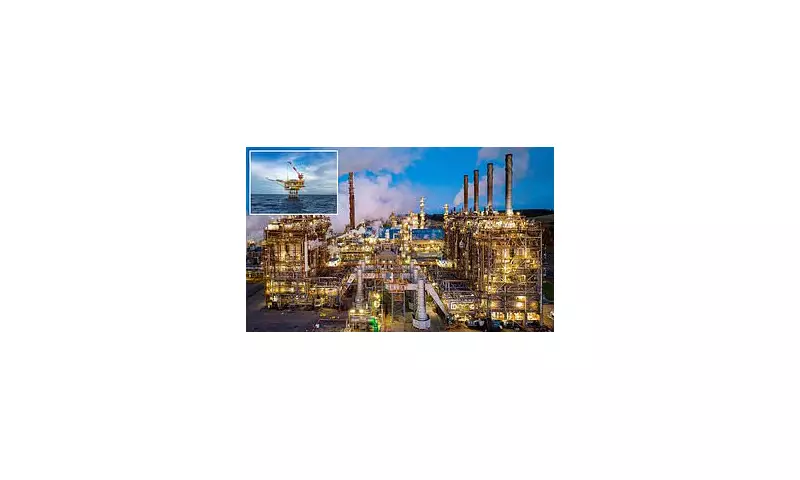
ExxonMobil has confirmed the closure of its Fife-based plastics plant at Mossmorran, putting 400 jobs at risk and dealing a significant blow to the local economy. Simultaneously, environmental activists have intensified their campaign against Shell's Jackdaw development, citing concerns about carbon emissions.
Opponents claim the Jackdaw field would produce 35.8 million tons of carbon emissions, equivalent to 90% of Scotland's total output in 2023. However, these figures require careful examination to understand their true context and implications.

Understanding the Real Emissions Figures
The often-quoted 35.8 million tons represents emissions across the entire 11-year lifespan of the Jackdaw project, not a single year's output. Shell's own projections indicate the more likely emissions total will be around 23.6 million tons, significantly lower than the maximum estimate.
When calculated annually, Jackdaw would produce approximately 2.15 million tons of carbon per year, representing just 5% of Scotland's 2023 emissions rather than the alarming 90% figure frequently cited. To provide global context, this annual output amounts to merely 0.02% of China's 2023 carbon emissions.
The 90% figure includes not only exploration and extraction emissions but also those generated by the end-use of the energy produced, a calculation method that significantly inflates the perceived environmental impact.
The Human Cost of Energy Policies
As these debates rage, British households face another increase in the energy price cap, pushing the average annual gas and electricity bill to £1,758. For families already struggling with the cost of living crisis, this represents another significant financial burden.
The closure at Mossmorran means workers face Christmas without employment, while skilled professionals at Grangemouth have seen their careers disrupted by political decisions. These real-world consequences highlight the human cost behind energy policy debates.
A Path Forward: Balancing Environment and Economy
Proponents argue that rejecting domestic energy projects like Jackdaw doesn't reduce global energy demand but simply shifts production to other countries, often with lower environmental standards. They emphasise that fossil fuels will remain essential for Britain's energy needs for many years to come, even as transition to renewables accelerates.
The solution, according to development advocates, involves approving projects like Jackdaw and Rosebank while simultaneously investing in nuclear power to deliver safe, reliable, and affordable energy for the future. They argue that technological innovation and economic growth, rather than restriction and austerity, will ultimately address climate challenges.
As Britain stands at this energy crossroads, the decisions made today will determine not only the country's energy security but also the economic prospects of ordinary families and future generations. The balance between environmental responsibility and economic practicalility has never been more critical to strike.






