Iran Conflict Fuels US Electric Vehicle Interest as Gas Prices Surge
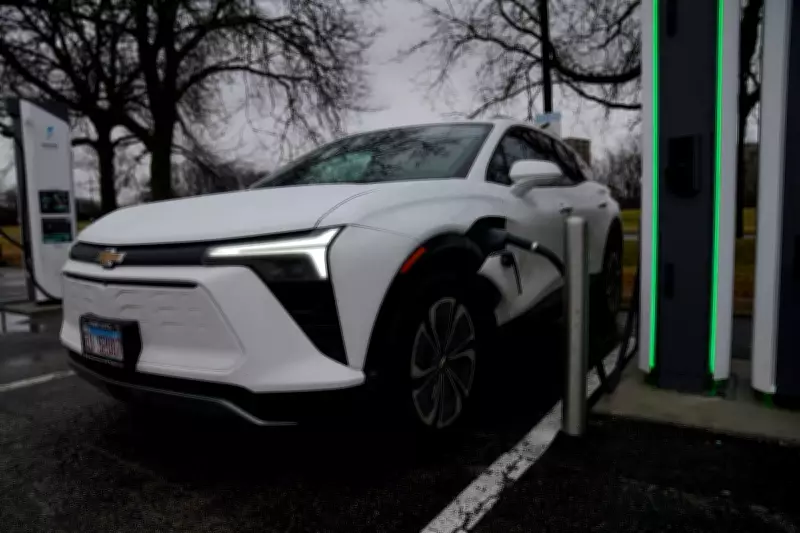
American drivers of petrol-powered vehicles are facing heightened vulnerability to price fluctuations stemming from global conflicts, with the ongoing war in Iran sparking renewed interest in electric alternatives. This shift is exemplified by Detroit resident Kevin Ketels, who purchased a 2026 Chevrolet Blazer EV last year primarily because he viewed electric vehicles as superior technology and wanted to be "part of the future." Now, as fuel prices climb due to Middle Eastern tensions, the 55-year-old professor is relieved he no longer fills his 11-year-old petrol SUV.
"Electricity can increase, but it won't rise nearly as much as gasoline and certainly not as rapidly," stated Ketels, an assistant professor of global supply chain management at Wayne State University. Energy experts suggest prolonged high fuel prices could significantly boost EV interest and sales, particularly if consumers believe their electricity costs will remain relatively stable. However, numerous factors influence electric vehicle purchases, including regional electricity rates themselves.
Are EV Owners Truly Insulated From Price Hikes?
Motorists using traditional combustion engines face substantially greater exposure to volatile pricing resulting from international conflicts compared to those charging electric vehicles. According to AAA data, the national average for a regular gallon of gasoline reached $3.57 this week, a sharp increase from $2.94 just one month earlier.

Meanwhile, "residential electricity prices are regulated and demonstrate far less volatility than gasoline prices," explained University of California, Davis economics professor Erich Muehlegger. "Consequently, EV owners remain largely unaffected by oil price shocks."
Nevertheless, experts acknowledge electricity prices have been rising nationally for various reasons, including surging power demand from new data centers. "This represents an inflationary event," remarked Holt Edwards, principal in Bracewell's Policy Resolution Group, regarding the conflict. "Is this the primary driver behind electricity prices? Probably not. But it certainly contributes as a factor." The extent to which oil and gas conflicts might translate to the electricity sector remains uncertain.
How Do Different Power Grids Affect Costs?
When considering the electricity EV owners utilize, much of the expense depends on which energy sources comprise a local grid's power mixture, according to energy specialists. Since regulators establish residential electricity prices annually, most households remain protected from month-to-month fluctuations in natural gas expenses. Although experts note higher natural gas prices can elevate electricity generation costs, natural gas prices haven't escalated as rapidly or dramatically as oil prices recently.
These represent just two of multiple energy sources—including coal, nuclear, and renewables—that power electrical grids nationwide. "The energy component varies depending on the specific energy being used and its pricing for electricity generation," said Pierpaolo Cazzola, an energy expert at Columbia University's Center on Global Energy Policy. "In the United States, the variation in energy component pricing remains smaller than in other regions."
Specialists indicated persistent warfare could potentially affect electricity bills in coming years. They emphasized this provides additional motivation for nations to transition toward clean power sources. "Clean power combined with electrification delivers the greatest security," asserted Euan Graham, an analyst at energy think tank Ember.
Michael B. Klein, a 56-year-old software developer from Evanston, Illinois, has driven electric vehicles for eight years to reduce fuel expenses and address environmental concerns. "Whenever electrical grid efficiency improves—particularly through renewable additions—I benefit regardless," explained Klein, who drives a Chevy Bolt. "They can enhance gas engine efficiency, but you must purchase a new vehicle to reap those benefits."

Will Electric Vehicle Demand Actually Increase?
Multiple experts confirm high gasoline prices strongly influence EV sales, especially when elevated costs persist. During such periods, drivers also consider more fuel-efficient hybrid alternatives. Automotive shopping resource Edmunds analyzed consumer data for the week beginning March 2, following the Iran conflict's commencement. Their research revealed interest in hybrids, plug-in hybrids, and battery electric vehicles accounted for 22.4% of all vehicle research activity on their platform that week, rising from 20.7% the previous week.
Analysts additionally examined the last major nationwide fuel price surges in 2022, noting consideration of electrified vehicles increased sharply during that period as well. However, whether this translates to increased EV purchases depends on whether buyers anticipate savings not only currently but in the future, experts caution.
Adding complexity: A sudden EV demand surge could potentially drive up prices, Graham noted. "The genuine transformation would occur if this prompts governments to modify tax and tariff policies surrounding electric vehicles," Graham suggested. Such policy shifts would help decrease fossil fuel dependence, he emphasized.
Does Driving Electric Truly Save Money?
Generally, yes. Individuals purchasing electric vehicles achieve "really substantial" gasoline savings throughout their vehicle's lifespan even without government tax credits, according to Peter Zalzal, an attorney with Environmental Defense Fund.
"We're discussing thousands upon thousands of dollars in savings," Zalzal stated. "As gasoline prices increase, those savings become even greater. Fuel expenses constitute a significant portion of overall vehicle costs, and fuel price increases substantially impact consumers."
However, new EV upfront costs still exceed those of petrol-powered vehicles; new electric vehicles sold for approximately $55,300 last month, while new vehicles overall averaged $49,353, according to auto-buying resource Kelley Blue Book. Some experts have also expressed national security concerns regarding EVs because China dominates substantial portions of the electric vehicle supply chain.
Ketels, the EV-owning professor, believes electric vehicles and renewable energy should represent strategic priorities for individuals and the United States because they could be produced domestically "without those fluctuations and worries." But since the federal government has withdrawn numerous incentives for both, "it places us at a global disadvantage," Ketels argued. "Withdrawing these incentives and attacking the sustainable energy industry represents a terrible mistake," he concluded, "and this conflict merely makes that reality more apparent."