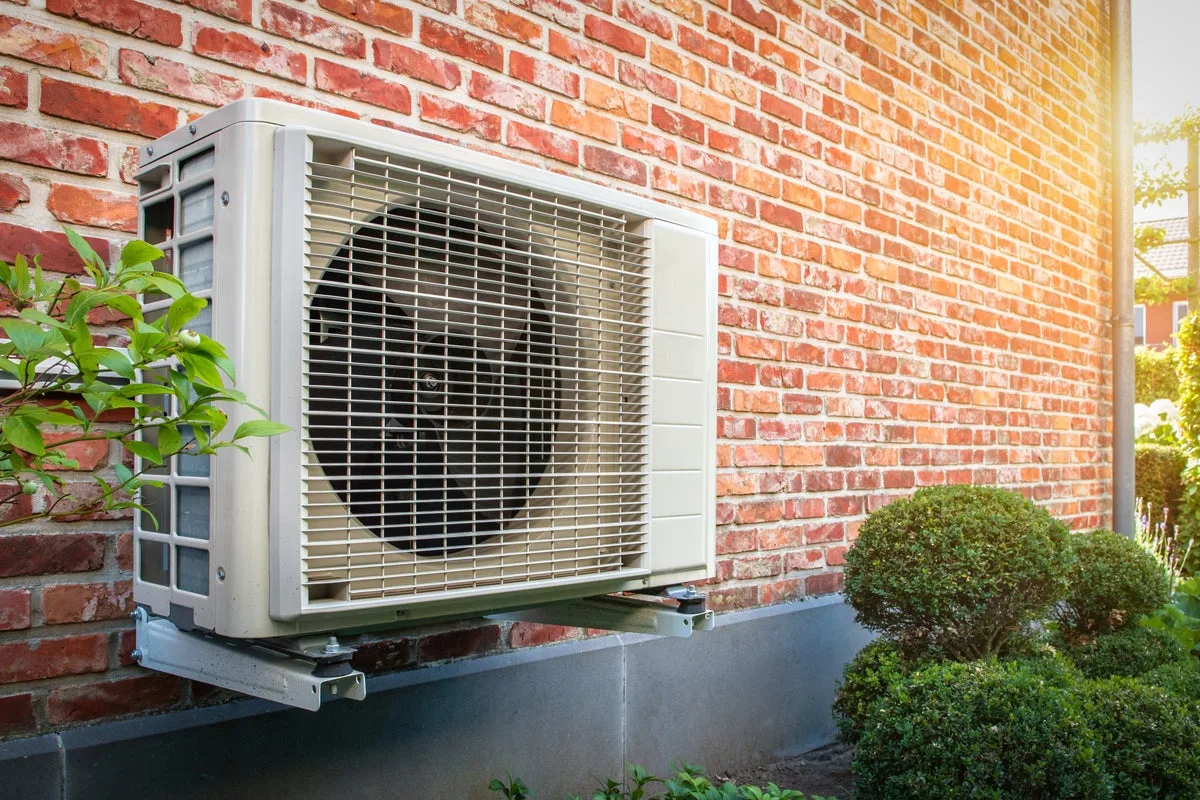
UK Heat Pump Survey: Two-Thirds of Owners Report Higher Heating Costs
Heat Pump Survey: Two-Thirds Report Higher Heating Costs

A recent survey has cast significant doubt on the financial benefits of heat pumps for UK homeowners, with findings indicating that a majority are experiencing higher heating costs despite the technology's environmental advantages. The study, commissioned by Dale Vince, owner of Ecotricity, reveals that 66 per cent of heat pump owners found their homes more expensive to heat compared to their previous systems. This comes against a backdrop of a 64 per cent increase in heat pump sales in 2024, highlighting a growing adoption of green technology across the nation.

Financial Challenges and Installation Costs

One of the primary issues identified in the survey is the stark difference in energy costs. Heat pumps, while more energy-efficient and environmentally friendly than traditional gas boilers, rely on electricity, which is approximately four times more expensive per unit than gas. This disparity has led to increased running costs for many users, undermining the potential savings from improved efficiency. Additionally, the upfront installation costs present a significant barrier. Installing a heat pump typically costs around £13,200, a figure that is substantially higher than the £3,000 average for a new gas boiler.

Government Support and Industry Debate

To mitigate these high initial expenses, the UK government offers grants of £7,500 through various schemes, aimed at making heat pumps more accessible. However, Dale Vince argues that households are being 'mis-sold' heat pumps, particularly those living in older or poorly insulated properties that may not be suitable for optimal performance. He emphasises that without modern, well-insulated homes, the technology may not deliver the promised savings, leading to financial strain for consumers.

In response, government officials have defended heat pumps as a key component of the UK's green energy strategy. They point to the £15 billion Warm Homes Plan, which supports the rollout of energy-efficient technologies, including heat pumps. Officials contend that when used in conjunction with time-of-use tariffs—which offer cheaper electricity during off-peak hours—heat pumps can indeed save households money over the long term. They stress that proper installation and home insulation are crucial for maximising benefits, and they are working to improve awareness and support for homeowners.

Broader Implications for Energy Policy

The survey's findings have sparked a broader debate about the effectiveness of current energy policies and the transition to renewable technologies. As the UK aims to reduce carbon emissions and cut energy bills, the mixed results from heat pump users suggest that more targeted measures may be needed. This includes ensuring that homes are adequately insulated before installation and providing clearer information on running costs and tariff options. The controversy underscores the challenges in balancing environmental goals with consumer affordability, a key issue as the government pushes forward with its green agenda.

Overall, while heat pumps represent a promising step towards a sustainable future, the survey indicates that their financial viability for the average homeowner remains uncertain. Ongoing efforts to refine policies and improve technology adoption will be essential in addressing these concerns and achieving widespread benefits.