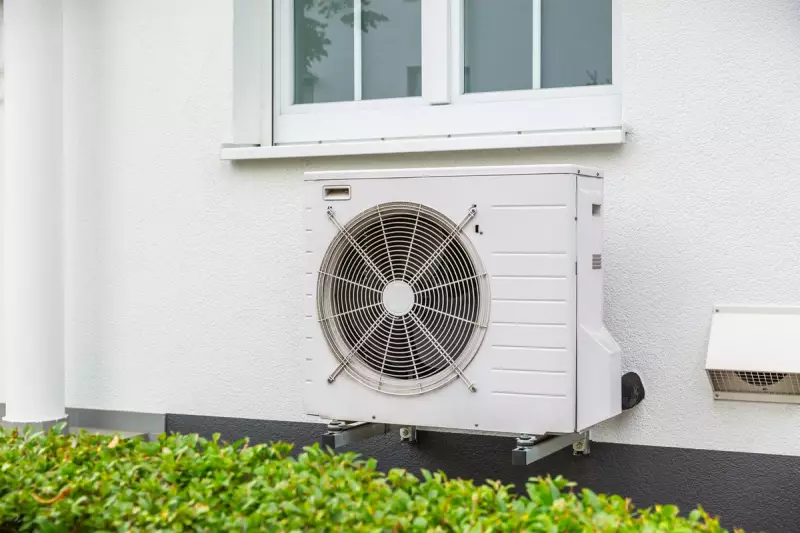
Heat pumps are frequently hailed as a highly efficient, low-carbon alternative to traditional gas and oil boilers. But for homeowners considering the switch, the pressing questions remain: how much energy do they actually save, and will they really cut my bills? The answers, experts confirm, are not one-size-fits-all but depend on a combination of your current heating system, your home's insulation, and how you use your heating.
The Efficiency Equation: How Heat Pumps Use Less Energy
The core of a heat pump's potential lies in its fundamental technology. Unlike a boiler that burns fuel to generate heat, a heat pump extracts existing warmth from the outside air or ground and transfers it inside. This process is remarkably efficient. According to the Energy Saving Trust, a well-installed system can deliver three to four units of heat for every single unit of electricity it consumes.
This measure, known as the Coefficient of Performance (COP), starkly contrasts with even a modern gas boiler, which typically converts only around 90% of its fuel into usable heat. In practical terms, this superior efficiency means a heat pump can maintain a warm home using significantly less primary energy, provided the property is reasonably well insulated.

Financial Savings: It Depends What You're Replacing
The impact on your wallet varies dramatically based on your existing heating setup. Households currently reliant on oil, LPG, or direct electric heating often see the most substantial bill reductions, sometimes saving hundreds of pounds annually on running costs.
For the many UK homes switching from a gas boiler, the immediate financial savings are usually more modest, as gas remains a relatively cheap fuel per unit. The benefit here often comes from a combination of the system's efficiency and accessing specialist electricity tariffs designed for heat pumps. Suppliers like Octopus Energy offer such tariffs, which can lower electricity costs during off-peak periods to improve overall savings.
On average, a household moving from gas can expect similar or slightly lower annual heating costs, while gaining more predictable bills and a drastically reduced carbon footprint.
Why Insulation and Heating Habits Are Crucial
To maximise savings, understanding how a heat pump works best is key. These systems are designed for steady, continuous operation rather than the short, intense bursts common with gas boilers. A home that adapts by maintaining a slightly lower constant temperature can see better efficiency.
This 'little and often' approach makes high-quality insulation non-negotiable. Good loft and cavity wall insulation, along with draught-proofing, allow the home to retain heat longer. Without it, heat escapes quickly, forcing the pump to work harder, use more electricity, and erode potential savings. Many installers will assess insulation first and may recommend upgrades.
Using smart controls to schedule heating precisely and adjust temperatures room-by-room can also optimise performance and costs.
Balancing Upfront Costs with Long-Term Gains
Acknowledging the higher initial installation cost is vital. However, government support substantially offsets this. The Boiler Upgrade Scheme offers grants of up to £7,500, making the upfront investment far more manageable for many households.
When this grant is factored in, the long-term proposition becomes attractive: stable energy bills, significant carbon savings, and future-proofing your home against shifting energy markets and policies. Running costs for a UK home with a heat pump typically range between £800 and £1,500 per year, with the biggest bill cuts seen by those moving away from oil, LPG, or electric heating.
In summary, the real-world savings from a heat pump are a blend of immediate and long-term benefits. While the financial upside might be gradual for gas-heated homes, the combined advantages of lower emissions, bill stability, and high efficiency make it a compelling alternative for a sustainable home heating future.