

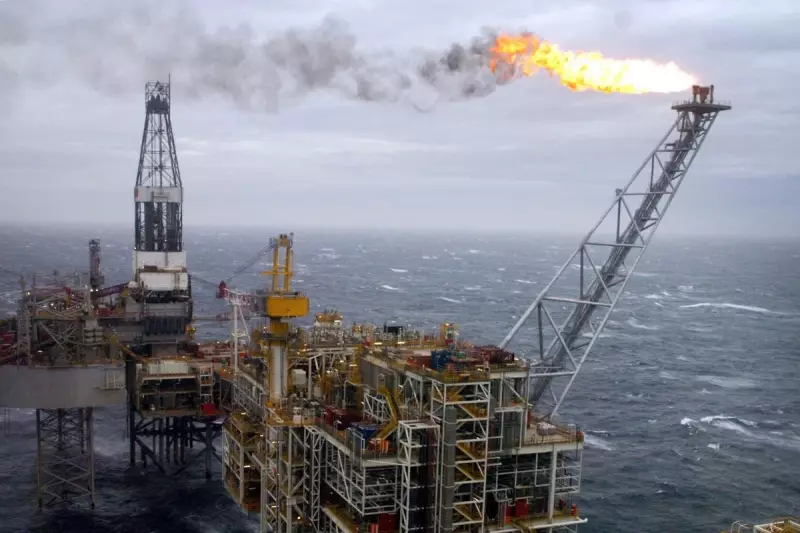
Britain's biggest oil and gas producer, Harbour Energy, has confirmed plans to slash approximately 100 offshore positions in the North Sea, directly attributing the move to the financial strain caused by the UK's windfall tax.
Tax Regime Blamed for Job Losses
The company stated that an ongoing review of its UK operations has led to the proposed redundancies. Managing director Scott Barr explained the decision is essential for Harbour's UK business to "remain competitive as we continue to adapt to a challenging future." The firm pointed to dual pressures from lower commodity prices and what it termed an "uncompetitive tax regime."
Harbour emphasised that the situation worsened following the Government's choice to retain the Energy Profits Levy (EPL) in the Budget announced last week. This levy, first introduced by the Conservative government in 2022 and later extended under Labour, is set to remain until 2030. It results in operators surrendering around 78 per cent of their profits to the Treasury.

Mounting Toll on Employment
These latest cuts signify a significant reduction in Harbour's workforce since the tax's inception. The company will have eliminated roughly 700 jobs since 2022. This total includes around 250 onshore roles in Scotland that were lost earlier in 2025.
The offshore reorganisation is described as a necessary step to align the company's operating model with diminished activity and production levels in the UK. "The future structure of our offshore workforce must adapt to reflect these realities," Mr Barr stated.
Consultation and Competitive Concerns
The job losses will follow a formal consultation period with staff, which is expected to conclude in the first quarter of 2026. Harbour stressed its commitment to maintaining safety and regulatory standards throughout the process.
However, the company issued a stark warning about the long-term competitiveness of its UK operations. "Harbour’s UK business unit will continue to struggle to compete for capital within our global portfolio while the EPL remains," Mr Barr said. He acknowledged the difficulty the changes would pose for affected colleagues in the coming months.
This announcement underscores the ongoing tension between government taxation policy aimed at funding public services and the investment and employment decisions of major energy producers in the North Sea.






