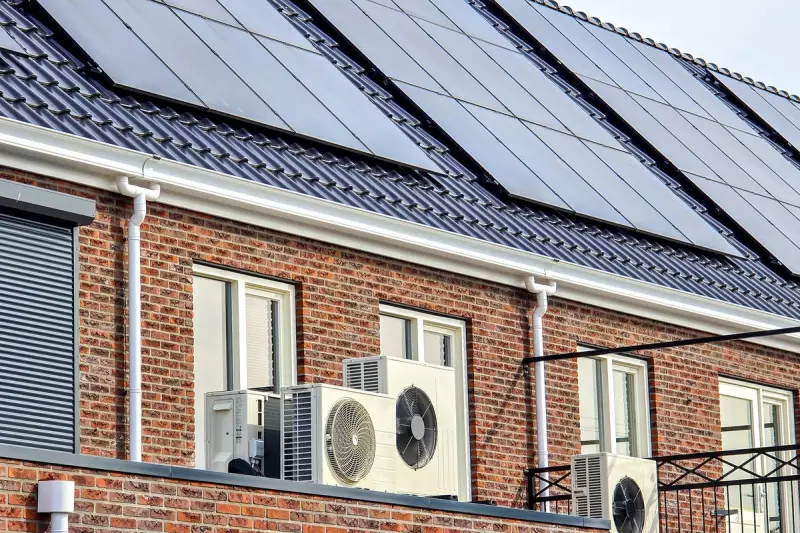
The UK government has officially launched a comprehensive £15 billion "warm homes plan," a major initiative designed to enhance energy efficiency and modernise technology in British residences across the nation. This ambitious programme will provide low and zero-interest loans to homeowners, facilitating the installation of solar panels, heat pumps, and battery storage systems to reduce reliance on traditional energy sources.
Targeting Vulnerable Households and Carbon Reduction
In a significant move to support the most vulnerable, low-income households will receive free insulation and clean technology upgrades under the scheme. The government aims to upgrade up to five million homes by the year 2030, with the dual objectives of substantially lowering household energy bills and cutting carbon emissions. A key target of the plan is to lift one million households out of fuel poverty, addressing a critical social issue linked to cold and damp living conditions.
Breakdown of Funding and Allocations
The £15 billion funding package includes a detailed allocation of resources to ensure broad impact. Specifically, £5 billion is earmarked for low-income schemes, providing essential support to those in greatest need. An additional £2 billion is designated for consumer loans, making energy-efficient upgrades more accessible to a wider range of homeowners. Substantial funds are also allocated for heat pump grants and a newly established "warm homes fund," which will further drive adoption of renewable technologies.

Reactions from Campaigners and Future Implications
Environmental groups and anti-fuel poverty campaigners have largely welcomed the government's proposals, recognising them as a positive step towards greener and more affordable housing. However, many have urged for more substantial action and increased funding to fully tackle the persistent problem of cold, damp homes across the UK. The plan represents a significant investment in the nation's infrastructure, with potential long-term benefits for both the environment and household finances, though its success will depend on effective implementation and ongoing support.