Gas Shock Emerges as Critical Threat Amid Iran Conflict, Outpacing Oil Concerns
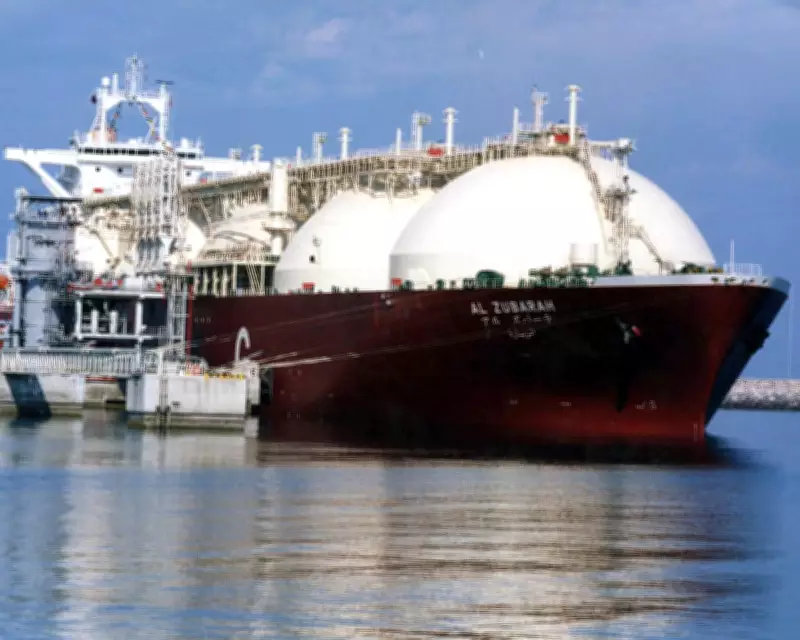
While oil price spikes typically dominate headlines during Middle Eastern conflicts, a more immediate and severe economic threat is now unfolding: a potential gas shock. This crisis stems from the halt in Qatari liquefied natural gas (LNG) production following Iranian drone strikes, disrupting a vital energy source for Europe and Asia.
Qatari LNG Supply Disruption Triggers Sharp Price Increases
European wholesale gas prices surged by 50% after QatarEnergy, the world's largest LNG producer, suspended operations. This abrupt shutdown removes approximately 20% of global LNG supply from the market, a significant blow if prolonged. Unlike Saudi oil, which can be partially rerouted via pipelines, Qatari LNG must traverse the strategic Strait of Hormuz, where shipping has largely ceased due to the conflict.
Analysts warn that the situation could escalate rapidly. A Goldman Sachs analyst projected that European gas prices could skyrocket by 130% if Hormuz flows are disrupted for an entire month, echoing the demand responses seen during the 2022 energy crisis. Stifel's analyst offered a starker assessment, cautioning that attempts at regime change in Iran risk triggering a repeat of Europe's 2022 energy crisis, potentially with greater severity.

Europe and Asia Bear the Brunt of LNG Market Volatility
Europe and Asia are particularly vulnerable as major importers of Qatari LNG. In 2025, LNG accounted for about a quarter of Europe's gas supply, with the UK averaging 21% over the past five years, according to government data. Compounding the issue, European gas storage levels remain low after a cold winter, heightening dependency on steady imports.
In contrast, the United States enjoys a more secure position as an LNG exporter, thanks to its shale gas revolution over recent decades. For the UK, there is a minor consolation in reduced reliance on Qatari LNG compared to 2022. Energy analyst Cornwall Insight reports that Qatar supplied roughly 6.5% of UK LNG imports over the past year, while the US contributed about 69% since 2023.
Global LNG Market Dynamics Amplify Economic Risks
LNG operates as a global market, where cargoes can be diverted mid-transit during crises to chase higher prices, such as from Asia to Europe or vice versa. This volatility means that wholesale price hikes quickly translate into increased consumer energy bills, mirroring the patterns observed in 2022.
The duration of Qatari production shutdowns and Hormuz closures will be critical factors. Even a week versus a month of disruption could have vastly different economic impacts. For instance, UK gas prices jumped from 75p per therm last Friday to 114p on Monday. To match the intensity of the 2022 crisis, prices would need to reach 250p and sustain that level, a scenario that now seems plausible given current tensions.
Policy Implications and Future Uncertainties
This crisis poses fresh challenges for governments, including the UK, which have prioritised the reliability and affordability of LNG in their energy policies. Last year's government "security of supply" report noted declining North Sea gas production but anticipated a robust, oversupplied global LNG market over the next four years. However, Monday's events revealed a market that is neither stable nor abundant.
Household energy bills could spike again, exacerbating economic strain and testing policy frameworks. As the situation evolves, stakeholders must monitor key variables like production resumption and shipping resumption through Hormuz to mitigate potential long-term disruptions.