Fuel Stations Run Dry as Brits Panic Buy Amid Middle East Oil Crisis
Fuel Stations Run Dry as Brits Panic Buy Amid Oil Crisis

Fuel Stations Run Dry as Brits Panic Buy Amid Middle East Oil Crisis

Petrol stations across the United Kingdom are reporting significant fuel shortages as British motorists engage in widespread panic buying, ignoring official advice from the AA. This rush to fill up comes in anticipation of oil prices surging to what experts predict could be record levels. The global benchmark Brent crude has already skyrocketed by approximately 13 percent, reaching its highest point since July 2024. This dramatic increase is directly linked to the escalating conflict in the Middle East, which has severely disrupted critical fuel transport routes to Western nations.

Panic Buying Ignites Nationwide Shortages

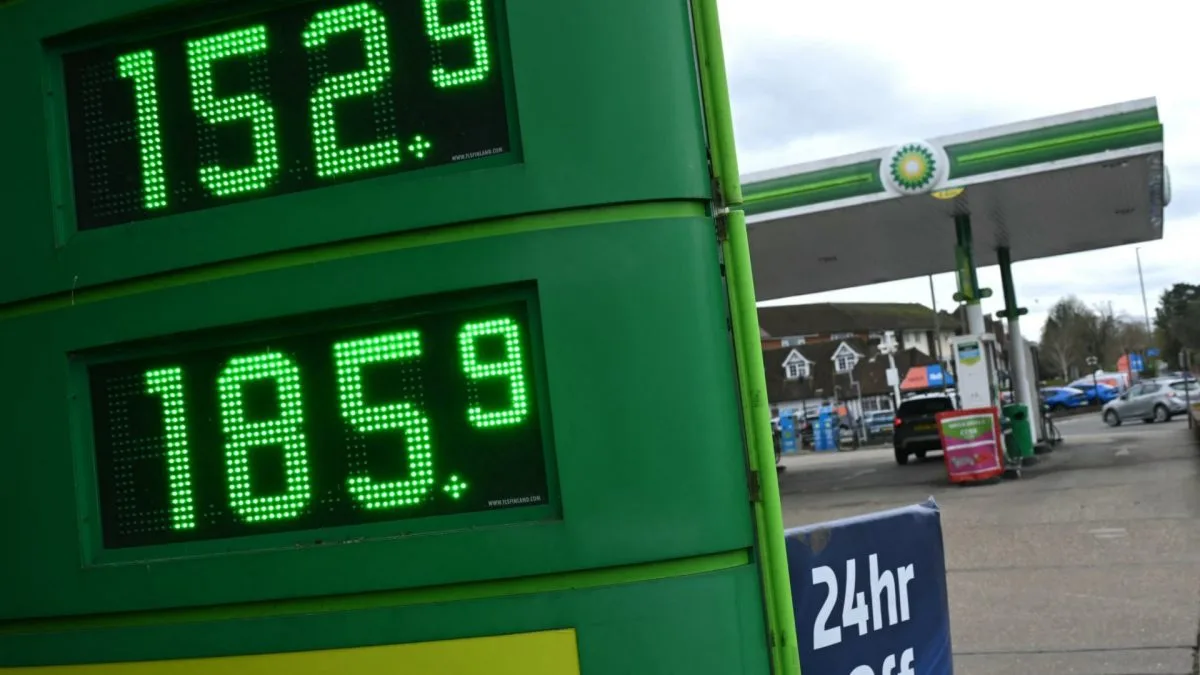
Despite clear warnings from the AA urging drivers "not to panic buy" petrol and diesel ahead of potential price hikes, many Britons have disregarded this guidance. The Valero Garage in Beckenham, south London, completely exhausted its petrol supply by Monday evening after being inundated by dozens of local residents. A station worker revealed that some individuals arrived with petrol cans in an attempt to stockpile fuel for the longer term. Similar scenes unfolded nationwide, with signs reading 'Sorry out of use' spotted at a BP fuel station in Croydon.

Photographs from stations across the country depicted thousands of Britons vying to beat the impending cost increases. At Costco Vauxhall and the Go 24 Hour Express in Kirkdale, Liverpool, queues for pumps extended beyond the station forecourts and onto adjacent roads. Meanwhile, approximately 35 miles away in Greater Manchester, dozens of vehicles were seen waiting for fuel at the Trafford Centre, highlighting the widespread nature of the demand surge.

Strait of Hormuz Closure Triggers Global Market Chaos

The root cause of this crisis lies in the Middle East, where the US-Israeli conflict with Iran entered its third day on Monday. Iran has continued its retaliatory attacks on nations including Bahrain, Kuwait, the United Arab Emirates, and Cyprus. The strategic Strait of Hormuz, a vital maritime chokepoint, has become a focal point of danger. Two ships were struck in the strait on Sunday morning, leaving one vessel ablaze and four mariners injured, with the crew of the ship named Skylight later evacuated. A third incident occurred 35 miles off the UAE coast, where an "unknown projectile" exploded dangerously close to another vessel, according to the United Kingdom Maritime Trade Operations (UKMTO).

These attacks have proven too great a risk for major shipping companies. Firms like Maersk and CMA CGM have suspended all voyages through the 100-mile Strait, which is a mere 24 miles wide at its narrowest point. This passage is crucial for global energy supplies, transporting about 20 percent of the world's oil—roughly 20 million barrels per day—and 25 percent of liquefied natural gas. Iran briefly closed the strait during live-fire drills, exacerbating the disruption.

The consequences are severe. Insurers are now reportedly declining to cover ships passing through the Strait, where UKMTO has reported "significant military activity." The US government has stated it cannot guarantee the safety of vessels, and experts predict the disruption could persist for days. Ali Vaez, director of the Iran Project, warned, "Closure of the Strait of Hormuz would disrupt roughly a fifth of globally traded oil overnight—and prices wouldn't just spike, they would gap violently upward on fear alone. The shock would reverberate far beyond energy markets, tightening financial conditions, fuelling inflation and pushing fragile economies closer to recession in a matter of weeks."

Economic Fallout and Inflation Fears Intensify

The economic impact is already being felt globally. European gas prices have reportedly rocketed by 40 percent since the conflict erupted on Friday, and stock markets have fallen worldwide. Analysts are expressing deep concerns about a fresh bout of inflation driven by the severe disruption to energy markets. Neil Wilson of Saxo Markets commented, "We are a long way off 2022 in terms of pricing but if LNG to Europe is effectively shut via Hormuz for a prolonged period we could see chaos. I am much more concerned about European natural gas prices than oil prices."

Furthermore, OPEC (the Organisation of Petroleum Exporting Countries) faces accusations of cashing in on the crisis, as oil prices had already climbed 20 percent this year in anticipation of the attack on Iran.

Geopolitical Tensions Show No Signs of Abating

The retaliatory missile strikes from Iran were prompted by the killing of the country's Supreme Leader Ayatollah Ali Khamenei on Saturday. Drones have since targeted multiple Gulf nations, with Cyprus also becoming a focal point. Sardar Jabbari, a senior Iranian military commander, issued a stark warning on Monday: "The Americans have moved most of their aircraft to Cyprus. We will launch missiles at Cyprus with such intensity that the Americans will be forced to leave the island."

In response, President Donald Trump has shown no indication of backing down. He did not rule out deploying US troops in Iran "if they were necessary" and suggested the conflict could last up to four weeks. Striking a defiant tone, Trump stated, "I don't have the yips with respect to boots on the ground... I say 'probably don't need them,' (or) 'if they were necessary.'" He also dismissed concerns about political consequences, telling reporters, "I don't care about polling... You cannot let Iran, who's a nation that has been run by crazy people, have a nuclear weapon." In a separate interview, Trump alluded to major forthcoming action, declaring, "We haven't even started hitting them hard. The big wave hasn't even happened. The big one is coming soon."

As the situation develops, BP has been contacted for comment by the Daily Mail regarding the fuel shortages at its stations. The combination of geopolitical instability, market volatility, and public panic buying has created a perfect storm, leaving UK petrol stations struggling to meet demand and motorists facing an uncertain and costly immediate future.