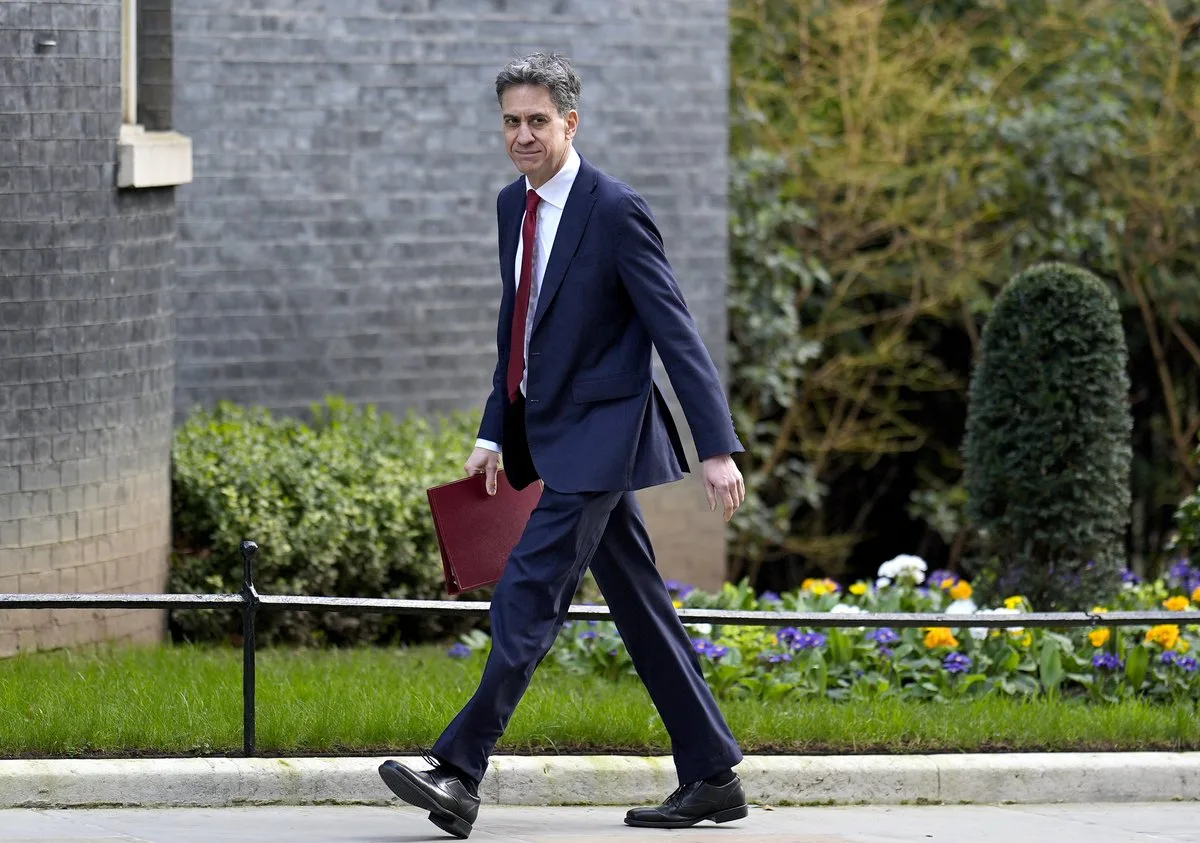
The Government is considering scrapping a planned rise in fuel duty as soaring energy costs triggered by the war in the Middle East threaten to pile more pressure on households. Energy Secretary Ed Miliband signalled ministers could step in if the crisis continues, saying the Government will “stand by people” as global oil prices surge.
Fuel duty has been frozen for 16 years in a bid to ease the burden on motorists during the cost of living crisis. The freeze is currently due to end in the autumn, with Chancellor Rachel Reeves expected to decide whether the duty will rise in September. But the conflict in the Middle East has pushed up oil prices, fuelling speculation that the planned increase could be shelved to shield drivers from further pain at the pumps.
Speaking to Sky News’ Sunday Morning with Trevor Phillips, Mr Miliband said the Government was monitoring the situation closely as uncertainty over the conflict continues. He said: “Let me answer that by saying this, which is, I’ll be candid with you, we don’t know how long this conflict is going to go on and therefore, with five months to go until September, we will have to see where we are, obviously.”
The Energy Secretary also pointed to measures already taken by ministers to reduce household energy costs, including interventions aimed at lowering bills for families. He added: “We will stand by the British people in this crisis, and we’ll do what it takes to do that.” When pressed again on whether the Government would extend the fuel duty freeze beyond September, Mr Miliband stopped short of confirming any decision had been made.
The price of oil has jumped sharply following escalating tensions in the Middle East after Donald Trump launched military strikes on Iran, raising fears the conflict could disrupt global energy supplies. Analysts have warned that prolonged instability in the region could drive up petrol and diesel prices in the UK, which are closely tied to movements in global crude markets.
Any decision to scrap the planned fuel duty rise would likely be welcomed by drivers and businesses already grappling with higher transport and energy costs. Fuel duty has been repeatedly frozen by successive governments since 2011, with ministers arguing that raising it would add further strain to household finances and push up prices across the wider economy. However, the Treasury has also faced pressure to increase the duty to help repair the public finances, meaning the decision expected later this year could become a key battleground in the debate over the cost of living.