Government Launches Historic £15 Billion Warm Homes Plan to Tackle Fuel Poverty
The government has unveiled a monumental £15 billion Warm Homes Plan, described as the most ambitious home upgrade initiative in British history. This comprehensive scheme is designed to provide substantial relief from soaring energy costs, with the primary goal of lifting up to one million families out of fuel poverty by 2030. Additionally, it aims to reduce energy bills for approximately five million households nationwide, marking a significant step in addressing the ongoing cost-of-living crisis.
Key Components of the Warm Homes Plan
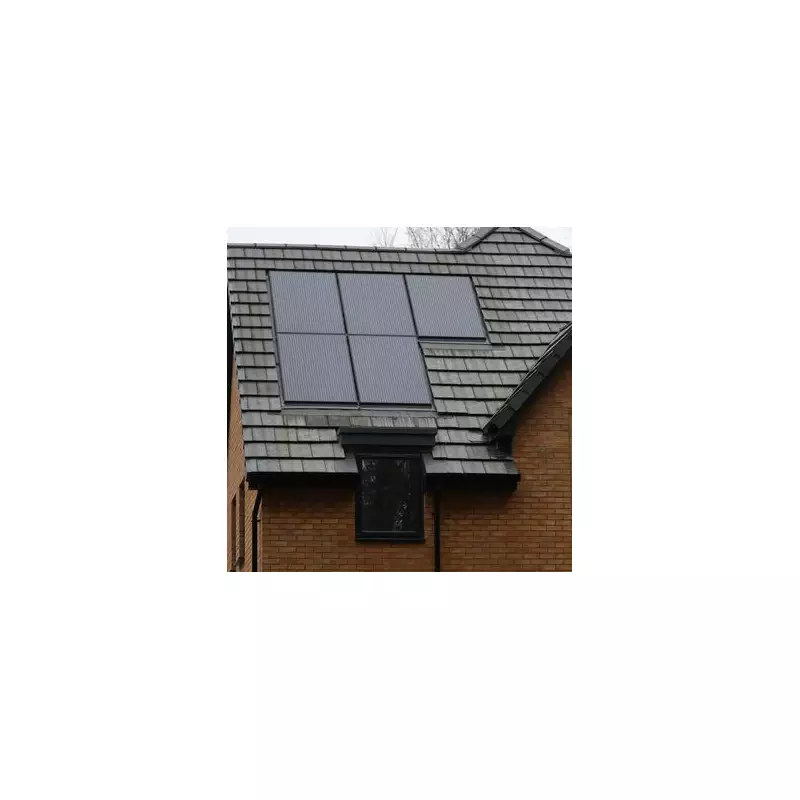
Under this groundbreaking plan, the poorest families across the country will be eligible to receive fully funded upgrade packages at no cost. These packages include the installation of solar panels and battery storage systems, which typically carry a price tag of up to £12,000. For a broader range of households, the government will offer low and zero interest loans, backed by public funds, to facilitate the adoption of solar technology on rooftops.
Further measures include a universal grant of £7,500 for the installation of heat pumps, enhancing energy efficiency in homes. New regulations will also mandate that every newly constructed home comes equipped with solar panels by default, ensuring future properties contribute to sustainable energy generation from the outset.

Support for Renters and Social Tenants
The plan extends its reach to the rental sector, introducing rules that compel landlords to invest in upgrades that lower energy bills for tenants. This initiative could lead to whole streets being upgraded simultaneously, creating a ripple effect of energy savings and improved living conditions in communities. The strategy is part of a broader effort to ensure that warmth and affordability are not privileges but fundamental rights for all residents.
Political and Expert Endorsements
Prime Minister Keir Starmer emphasised the plan's significance, stating, "A warm home shouldn’t be a privilege, it should be a basic guarantee for every family in Britain. Today’s plan marks a turning point. It will help to slash energy costs and lift up to a million people out of fuel poverty." He added that this initiative reflects the government's commitment to tackling the cost-of-living crisis by providing long-term security and opportunities for families.
Energy Secretary Ed Miliband highlighted the urgency of the situation, calling it "a scandal that millions of people in our country do not have the security of a home that is warm, affordable and safe." He described the investment as a national project to combat fuel poverty and enhance affordability for households throughout Britain.
Simon Francis, coordinator of the End Fuel Poverty Coalition, praised the plan as a "rescue mission for the coldest, dampest homes in Britain," noting its potential to save lives, reduce NHS costs, and permanently lower energy bills for those most in need.
Additional Financial Support Measures
In conjunction with the Warm Homes Plan, around six million households will benefit from the £150 Warm Home Discount, a one-off reduction on electricity bills available to all billpayers receiving means-tested benefits. This discount complements previous budget interventions by Chancellor Rachel Reeves, which are set to reduce average energy bills by £150 starting this April.
Addressing Historical Shortfalls
The Department for Energy Security and Net Zero pointed out that home insulation installations plummeted by more than 90% between 2010 and 2024, leading to inflated energy bills for millions. The new plan seeks to reverse this trend by injecting substantial government investment, including allocations for devolved administrations in Scotland, Wales, and Northern Ireland, ensuring a coordinated approach across the United Kingdom.
Overall, the Warm Homes Plan represents a transformative effort to upgrade Britain's housing stock, drive down energy costs, and provide a fairer, more sustainable future for families grappling with fuel poverty.