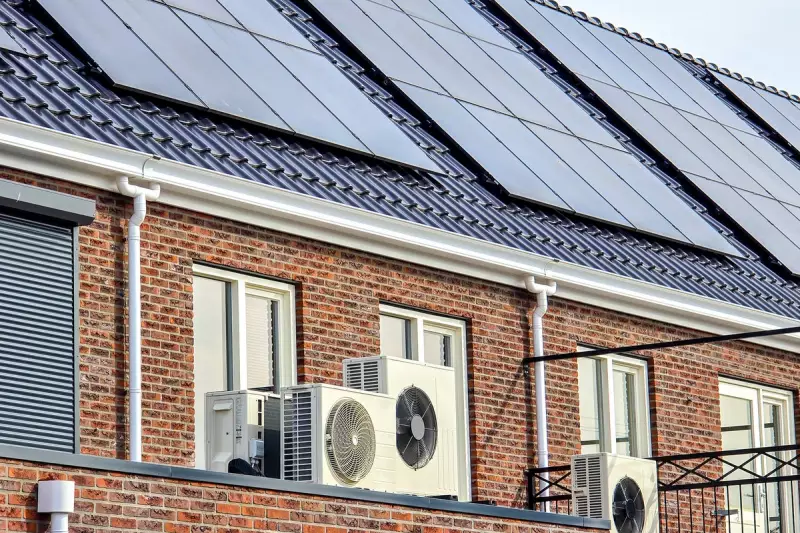
The government has unveiled a major new initiative that could see millions of households across the United Kingdom receive free solar panels, heat pumps, and other energy-saving technologies. The ambitious Warm Homes Plan, announced by the Department for Energy and Net Zero (DESNZ), represents a significant step in addressing both the cost of living crisis and the nation's carbon emissions.
A National Project to Tackle Fuel Poverty
Energy Secretary Ed Miliband described the current situation as "a scandal," highlighting that millions of Britons lack the security of a warm, affordable, and safe home. The plan commits £15 billion in public investment to deliver comprehensive energy efficiency and technology upgrades to homes throughout Britain. This substantial funding aims to cut household bills, reduce reliance on fossil fuels, lower carbon emissions, and lift people out of fuel poverty.
"With this investment, we embark on a national project to turn the tide," Miliband stated. "We are waging war on fuel poverty and taking another step forward in tackling the affordability crisis for families throughout Britain."

Direct Support for Low-Income Families
The Warm Homes Plan includes direct support for low-income families, offering a free package of energy-saving measures tailored to individual properties. These measures range from insulation to advanced clean technologies. For example, a family could receive a fully funded installation of solar panels and a battery, potentially saving up to £12,000. The plan also envisions upgrades to entire streets of social housing, ensuring broader community benefits.
Additionally, the government has pledged £5 billion specifically to back free upgrades for insulation and clean technology for fuel-poor families struggling with energy bills. This targeted approach aims to address the most vulnerable households first.
Zero and Low-Interest Loans for Homeowners
For homeowners, the scheme introduces government-backed zero and low-interest loans to facilitate the installation of solar panels, heat pumps, and batteries. These financial products are designed to encourage greater uptake of clean technologies and are in addition to the existing £7,500 grant for replacing boilers with heat pumps.
The Future Homes Standard will also incorporate new rules making solar panels standard on new homes, further embedding renewable energy into the national housing infrastructure. Available upgrades under the scheme include solar panels, heat pumps, home and heat batteries, smart controls, insulation, and draught proofing.
Enhanced Protections for Renters
The plan extends its reach to the rental sector, introducing new protections for tenants living in cold, damp, and mouldy conditions. DESNZ estimates that 1.6 million children currently reside in private accommodation suffering from such issues. The department projects that half a million families will be lifted out of fuel poverty by the end of the decade through these comprehensive measures.
Support will also be provided to landlords to make energy efficiency improvements, ensuring that rental properties meet higher standards of warmth and safety.
Campaigner Response and Future Considerations
Simon Francis, coordinator of the End Fuel Poverty Coalition, welcomed the plan as "a rescue mission for the coldest, dampest homes in Britain." He emphasised that combined with improvements to the private rented sector, it could save lives, reduce NHS costs, and permanently lower energy bills for those in fuel poverty.
However, Francis called for further reforms, including measures to bring down the cost of electricity and provide financial support for households awaiting improvements. He stressed the importance of a "warm homes guarantee" built around quality advice, enhanced consumer protections, and a firm promise that every upgraded home will see a reduction in bills.
The announcement follows Chancellor Rachel Reeves' previous Budget commitment to cut an average of £150 per year from energy bills for all families starting in April. While environmental and anti-fuel poverty campaigners have broadly welcomed the Warm Homes Plan, they continue to advocate for additional action and funding to fully address the challenges of cold, damp homes and unaffordable energy costs across the nation.