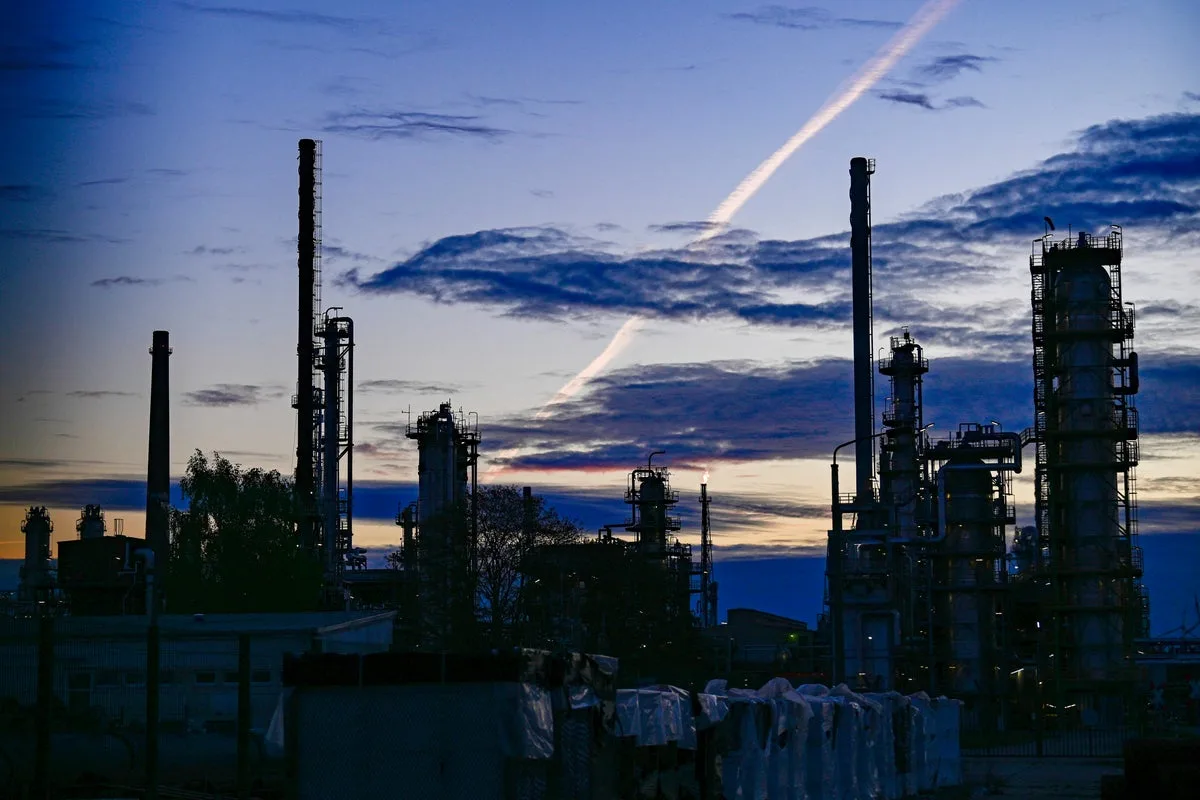
The European Union bought a record amount of gas from Russia's largest natural gas project in the first four months of the year, as the Iran war pushes Europe back towards the fuel it has been trying to phase out.
The EU received 91 cargoes from Russia's Yamal LNG project between January and April, totalling 6.69 million tonnes – the highest volume for that period since the project was launched in December 2017, according to new analysis of shipping data published on Thursday by environmental group Urgewald. The bloc paid an estimated €3.88bn (£3.25bn) for the gas over the four months, based on benchmark market prices.
The demand for Russian oil and gas has skyrocketed worldwide since the Iran war began. The closure of the Strait of Hormuz since late February has removed significant volumes of liquefied natural gas from global markets. The strait normally carries around a fifth of global LNG flows, leaving Europe with fewer alternatives and pushing benchmark gas prices sharply higher.

The TTF price, Europe's gas benchmark, jumped from around €35 per megawatt hour (£29.30 MWh) in January and February to €52.87 (£44.25) in March, inflating the value of every Russian cargo Europe was buying. April prices averaged €45.21 per MWh (£37.82). The result is that Europe is not only buying more Russian gas, it is also paying significantly more for each cargo than it was at the start of the year.
"Europe has never imported this much LNG from Yamal in the first four months of the year since Putin launched the project in 2017," said Sebastian Rötters, sanctions campaigner at Urgewald. "For three months in a row, every Yamal cargo that reached its final destination went to Europe. It shows that Europe keeps Russia's Arctic LNG business alive."
The EU took 98 per cent of all Yamal exports between January and April – for three consecutive months, every single cargo that reached its final destination went to the EU. China, which Russia has spent years cultivating as an alternative customer, received only two cargoes in the first quarter and none at all in February or March. The Yamal project's reliance on Europe is also structural, depending on a small fleet of specialised Arc7 ice-class tankers that need fast turnaround times at European ports during the most operationally constrained months. Belgium's Zeebrugge terminal has been the busiest entry point, receiving 25 cargoes in the first four months – roughly one tanker every 4.8 days. Without European ports, annual Yamal shipments could fall from around 270 cargoes to as few as 120 to 130, analysts estimate.