Thousands Trapped in Unsafe Homes After Government's Botched Energy Efficiency Scheme
Nearly 30,000 homeowners across the United Kingdom are currently stranded in unsafe living conditions while confronting enormous repair bills, following what a parliamentary committee has described as an "abject failure" of a government-backed energy efficiency initiative. The ECO scheme, established in 2022 with the intention of assisting vulnerable and low-income households through grants for home improvements like insulation, heat pumps, and solar panels, has instead precipitated a crisis of widespread substandard workmanship and systemic oversight failures.
A Legacy of Defective Work and Broken Promises
The programme, largely financed through a levy on national energy bills, has been heavily criticised for its poor execution and lack of adequate supervision. A damning report from the National Audit Office last year revealed that external wall insulation installed under the ECO scheme was defective in a staggering 98 per cent of cases, presenting immediate and serious health and safety risks to residents. The investigation suggested that the prevalence of poor-quality installations stemmed from work being subcontracted to incompetent firms, businesses cutting corners to maximise profits, and significant uncertainty surrounding industry standards.
While the government has guaranteed that repair costs will be covered up to £20,000 for affected households, the Public Accounts Committee warned last week that some families are facing bills as high as £250,000 to rectify the damage. The Commons spending watchdog took the extraordinary step of recommending that the government refer the entire issue to the Serious Fraud Office, citing serious concerns that fraudulent activity may have been systemic throughout the programme's operation.

Personal Stories of Devastation and Disregard
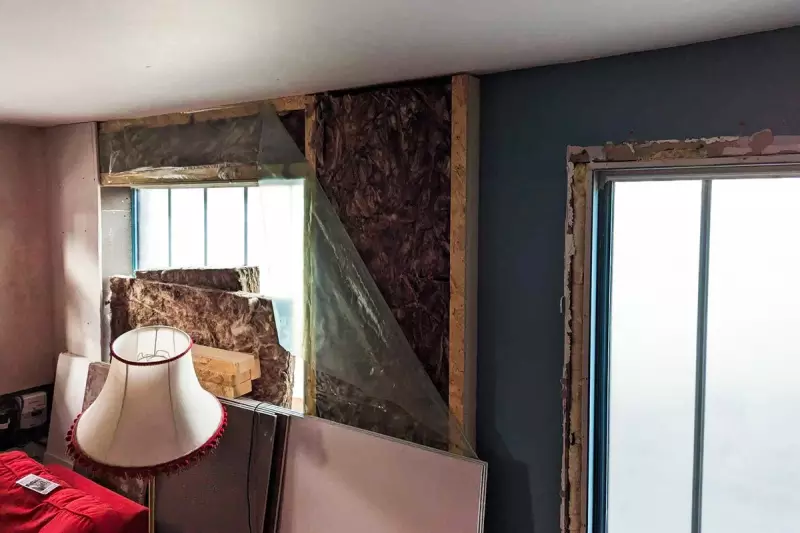
The human cost of this administrative failure is starkly illustrated by the experiences of homeowners like Katie Barrett, a 51-year-old personal tutor from East Sussex. After having insulation work carried out through the ECO scheme in February 2024, Ms. Barrett now faces a repair bill exceeding £40,000. The botched job left her broadband cable severed and a screw driven through a boiler pipe, depriving her of internet and heating. A subsequent survey revealed that insulation had been incorrectly fitted against her external wall, trapping damp, while new insulation on her kitchen ceiling began leaking water.
"I got signed off from work six months afterwards because my health has got so much worse and I'm not well enough to work," Ms. Barrett told The Independent. "There's no way those cowboys are coming back here. They lied to me and destroyed my house, and treated me with such contempt." The contractor responsible for the work has since entered administration, leaving her with little recourse for repairs.
In South Wales, Helen Cresswell, also 51, endured a similarly traumatic experience. While her new insulation was satisfactory, the installation of a new heating system under the ECO scheme went "horribly wrong." Plumbers arrived at 8am and by 8.30pm, her boiler was disabled and her floorboards ripped up. She returned home to find radiators too large for the rooms, pipes jutting from floors and ceilings, plaster torn from walls, and emerging damp issues causing mould. The plumber left the property without water or heating after she confronted him, and it took a month of persistent calls and intervention from her local MP to get another contractor sent.
"They just didn't care that we were living in these kinds of conditions at all," Ms. Cresswell said. The mother-of-one, who suffers from Crohn's disease and is immunocompromised, developed a sinus infection from the dust and dirt, impacting her ability to work. Tragically, a memory bear made for her daughter from fabric of her late husband's shirt was also damaged beyond repair during the chaos. The company that performed her work has also gone into administration.

Government Response and Systemic Reform
In response to the escalating crisis, Chancellor Rachel Reeves confirmed at last year's Budget that the ECO scheme would be terminated, a move estimated to save an average family £150 annually on energy bills. Subsequently, the government announced a new £5 billion warm homes plan to help households pay for insulation and green technology.
Minister for Energy Consumers, Martin McCluskey, stated: "We inherited a broken system from the previous government. It was not fit for purpose and had multiple points of failure. We are cleaning up this mess. Every household with external wall insulation installed under these two schemes are being audited, at no cost to the consumer. And we have been clear that no household should be asked to pay any money to put things right."
He reported that over 50 per cent of non-compliant properties identified to date have been remediated. The government is now shifting investment to local authorities, which have a stronger record of delivery, and plans to establish a new Warm Homes Agency. This body will create a single, formal system for retrofit work with stronger government oversight aimed at drastically improving quality standards and consumer protection.
Despite these assurances, for thousands of families like those of Katie Barrett and Helen Cresswell, the physical, emotional, and financial damage inflicted by the failed ECO scheme continues to cast a long shadow over their lives and homes.