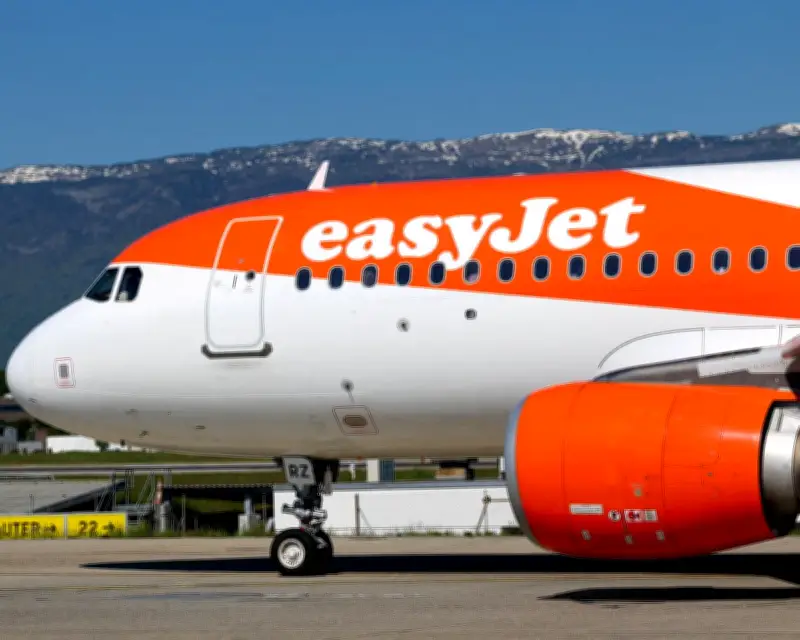
EasyJet has revealed a 70% slide in profits because of soaring fuel costs and later bookings as a result of the conflict in Iran, only weeks after it agreed to a £5.7bn takeover.
The carrier reported a pre-tax profit of £85m between April and June compared with £286m during the same period a year earlier, as its fuel costs increased by £105m after the outbreak of hostilities in the Middle East in late February sent energy prices rocketing.
Takeover Battle
It came as two US investment firms vie to buy easyJet. The airline’s board originally accepted the fifth bid from Castlelake, worth £5.5bn, but then recommended a higher bid from Apollo Global Management, worth £5.7bn, or more than £7 a share. However, a potential EU review of airline ownership has cast a question mark over the deal.
EasyJet said customer bookings had begun to improve, but passengers were continuing the trend of booking just before departure.
The company said the outlook for the remainder of its financial year was dependent on “important remaining bookings, as well as fuel prices, which continue to be volatile”.
Industry Impact
EasyJet’s budget carrier rival Ryanair revealed on Monday a 34% drop in profits to €538m (£457m) in the three months to the end of June, owing to the price of jet fuel doubling amid the Iran war. The price increase affected the cost of the 20% of fuel the airline needed for its fleet that was not hedged against price fluctuations.
The airline said consumer confidence was increasing during its peak summer holiday season.
Kenton Jarvis, easyJet’s chief executive, said: “Pricing has been attractive, driving strong late booking demand for our flights and holidays.
“Our recent experience is that bookings become strong in the month of departure. So my expectation is that as we run through August bookings will be above where they were this time last year.”
He said fares were on average about 1% lower than a year ago despite the large cost increases in fuel.
EU Entry-Exit System
Feared disruption from Europe’s new entry-exit system had not materialised in the first weeks of summer, Jarvis said, with places such as Greece dropping the biometric checks under leeway granted by the EU until September: “If they use that flexibility when queues build up, then it can be quite smooth. But it needs to be extended beyond September because October can be a very busy month as well.”
EasyJet has urged airports to extend the earliest check-in time where they were able to do so, in case of EES queues, but had not suffered a repeat of the Milan incident in April when 100 passengers were stranded after “border patrol messed up in a royal way”, he said.
Market Reaction
Despite the falling profits, easyJet shares rose more than 5% in early trading on Thursday, partly recouping the previous day’s 11% fall that followed reports that the EU was preparing to tighten up airline ownership rules, potentially putting its planned takeover bids in doubt.
An unnamed EU official told Reuters on Wednesday that a review of airline ownership would “protect strategic autonomy” and ensure control of regional airlines remained within Europe. EU rules demand 51% local ownership, and while Castlelake had named EU citizens as co-investors, Apollo has not explained how it plans to meet the requirements.
While Jarvis said he would not comment on the takeover, he dismissed the relevance of the EU review of regulations, which he said started in 2025: “The initial proposal isn’t expected until the end of 2026, perhaps even early 27, and then there’ll be a lengthy consultation process which I would expect to last two to three. Its timelines far exceed the bid process from Apollo and it’s not linked at all … It’s just, business as usual from the EU.”
Analysts have warned that the takeover battle for easyJet between US private equity groups “risks becoming a distraction”.
Garry White, the chief investment commentator at the wealth management firm Raymond James, said: “The very existence of a bidding war highlights what easyJet’s board has long argued: that the market has been undervaluing the business and its growth prospects for quite some time.”