Drivers Urged to Limit Car Journeys as Fuel Costs Escalate
Motorists across the United Kingdom are being advised to consider eliminating "non-essential journeys" from their routines, as fuel prices are projected to rise sharply due to soaring oil costs. This recommendation comes from AA president Edmund King, who also emphasised the importance of adjusting driving styles to enhance fuel efficiency.
Oil Price Surge and Its Impact on Fuel
Oil prices have surged above $100 per barrel for the first time since 2022, driven by the ongoing conflict in the Middle East that began on February 28. This increase has a direct and significant effect on wholesale fuel costs, which in turn influence prices at the pump.
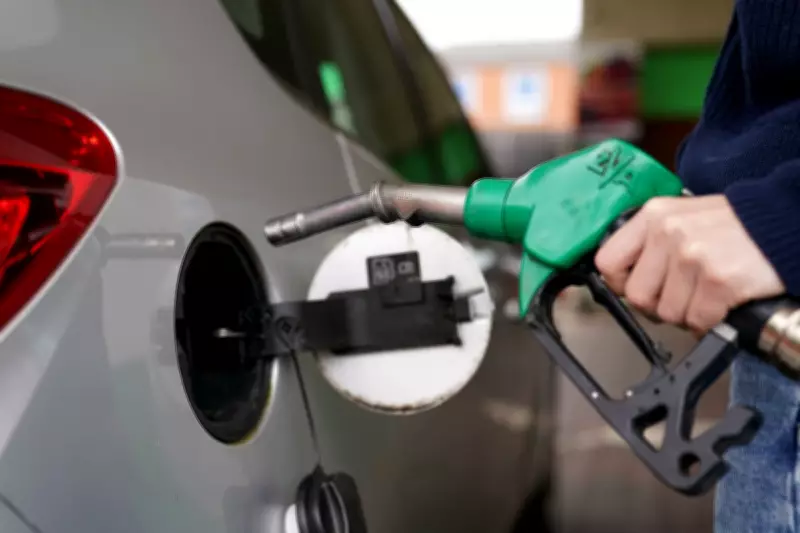
Since the onset of the conflict, the average price of a litre of petrol at UK forecourts has risen by 5p to 137.5p, while diesel has increased by 9p to 151.0p. Analysis from the Energy and Climate Intelligence Unit indicates that oil trading at $100 per barrel typically results in petrol prices around 150p per litre, and if oil hits $120 per barrel, petrol could reach approximately 170p per litre.

Expert Insights and Recommendations
Edmund King highlighted the prolonged nature of the conflict, stating, "The longer this conflict goes on, the more effect it will have on the cost of oil. Any time Brent Crude passes 100 dollars per barrel raises concern across the markets, for the haulage industry and drivers." He reassured that pump price increases should be gradual, as fuel has been purchased at previous prices, and advised drivers not to alter their refuelling habits drastically but to consider cutting out some non-essential trips and adopting more conservative driving techniques.
RAC head of policy Simon Williams echoed concerns, noting, "Average petrol and diesel prices have rocketed in the last week and are unfortunately likely to keep on rising, so the situation for UK drivers is looking increasingly bleak." He predicted that unleaded petrol could average 140p soon, with diesel potentially climbing to at least 160p per litre, and encouraged drivers to shop around for the best prices while continuing to fill up as normal.
Government Response and Policy Considerations
Downing Street clarified that the AA's advice is not linked to any supply shortage. The Prime Minister's official spokesman explained, "I understand those comments are more about consumer advice to save money rather than any suggestion that we are low on supply." The spokesman added that the government is closely monitoring prices in light of the Middle East situation.
In response to the crisis, Chancellor Rachel Reeves has faced calls to scrap a planned 5p increase in fuel duty, scheduled to be phased in from September. The No 10 spokesman stated, "The Chancellor keeps all taxes under review and takes decisions at budgets," indicating that policy adjustments may be considered as the situation evolves.
This advice comes at a critical time for UK drivers, who are grappling with rising living costs and now face additional pressures from escalating fuel expenses. By adopting fuel-efficient practices and reducing unnecessary travel, motorists can mitigate some of the financial strain while contributing to broader efforts to manage energy consumption during this period of market volatility.