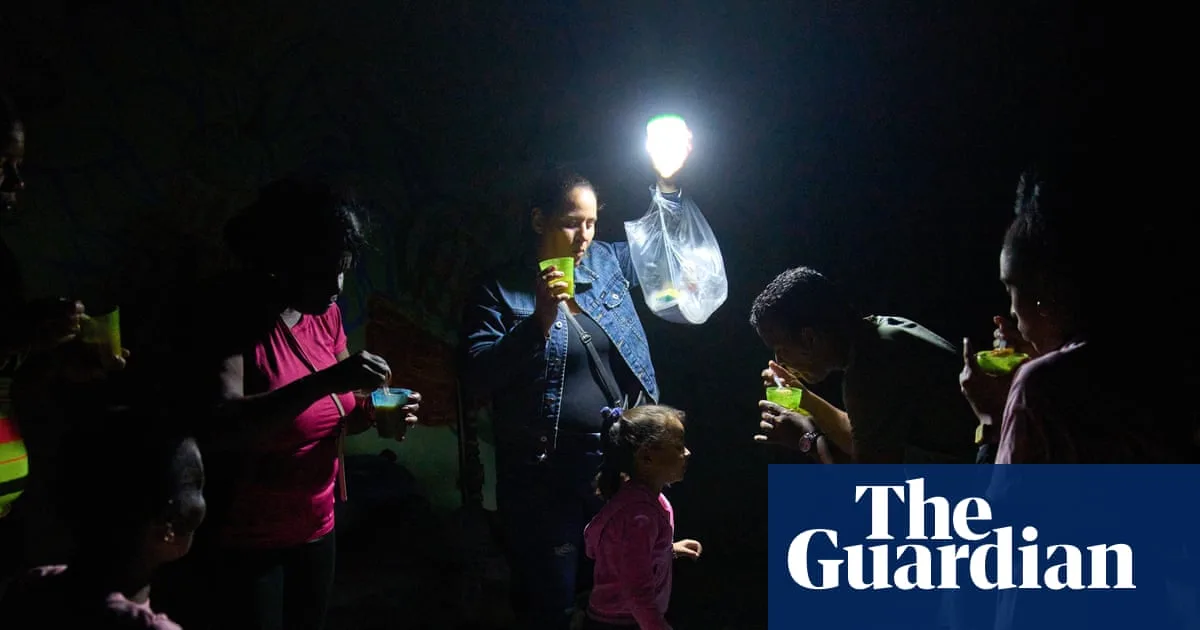
Cuba’s national electricity grid has collapsed, leaving approximately 10 million people without power, the state grid operator UNE announced on Monday. The blackout is the latest in a series of widespread outages that have lasted for hours or days, and which sparked a rare violent protest in the communist-run country last weekend.
The grid operator said it was investigating the cause of the collapse, which comes amid a US-imposed oil blockade that has crippled the island’s already obsolete generation system. The US has ratcheted up pressure on Cuba this year, cutting off Venezuelan oil shipments and threatening tariffs on any country that sells oil to the island.
Cuba has received only two small vessels carrying oil imports this year, according to LSEG ship-tracking data. A tanker from Mexico discharged fuel in January, and a vessel from Jamaica delivered liquefied petroleum gas in February. Venezuela, once Cuba’s main supplier, has sent no fuel this year.

US President Donald Trump said on Monday he believed he would have the “honour of taking Cuba”, describing the island as a “very weakened nation”. Cuba said on Friday it was in talks with the US in an attempt to defuse the crisis.