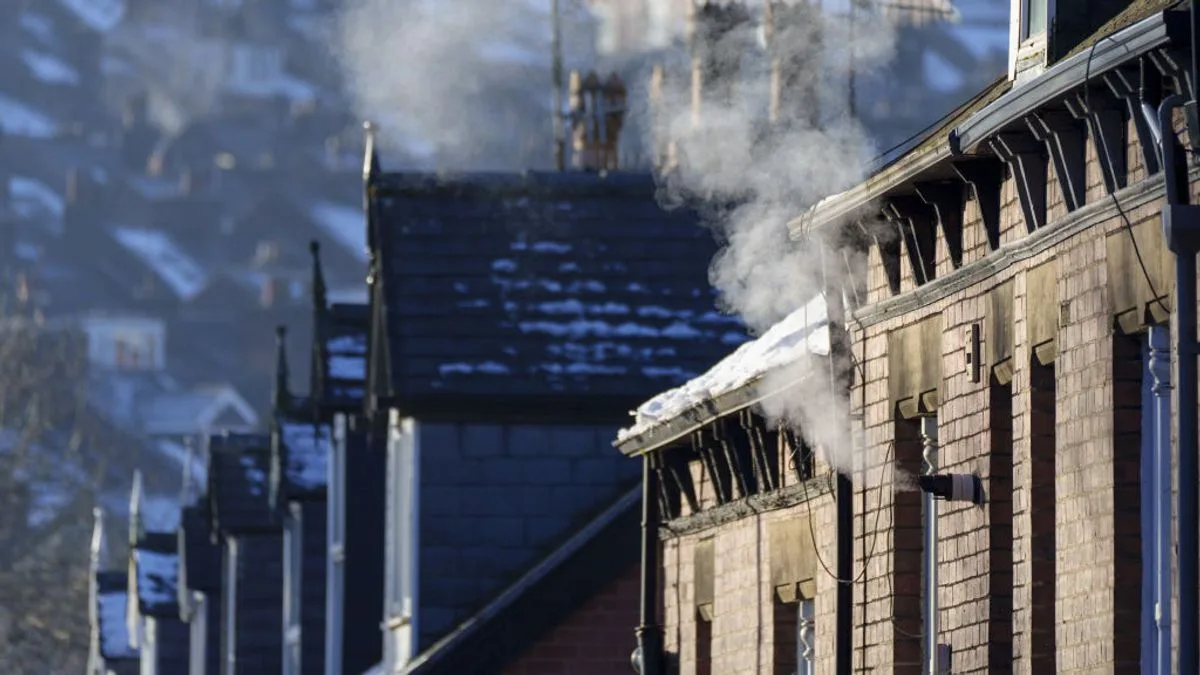
British Gas has issued a warning that approximately 54,000 homes across the UK may require assistance with their heating and hot water systems as freezing temperatures grip the country. With forecasts predicting temperatures to nosedive below freezing over the coming weeks, households are being urged to take precautions against frozen pipes.
According to the energy company, when the thermometer drops below zero, pipes without proper insulation risk freezing. Ice expansion can cause pressure surges, leading to cracks, leaks or even flooding once temperatures rise. Last year, more than 1.2 million customers contacted British Gas engineers to repair faulty boilers and restore heating and hot water.
Joanna Flowers, a service and repair engineer at British Gas, said: “Frozen pipes are one of the most common issues we see during cold snaps, but the good news is they're usually simple to sort out if you act quickly.” She advised that if heating fails or water stops flowing, households should check the boiler, bleed radiators, and ensure loft tanks and pipes are insulated.
If a burst pipe occurs, Flowers urged: “Turn off the water supply at the stopcock straight away. Open all the taps to drain the system and keep the supply off until a qualified engineer can assess the damage and carry out the repair.” She emphasised the importance of lagging pipes from the outset, noting that inexpensive insulation from DIY stores can help retain warmth and reduce heat loss.
The warning comes as the UK braces for a prolonged cold snap, with households advised to act quickly to avoid costly repairs.