

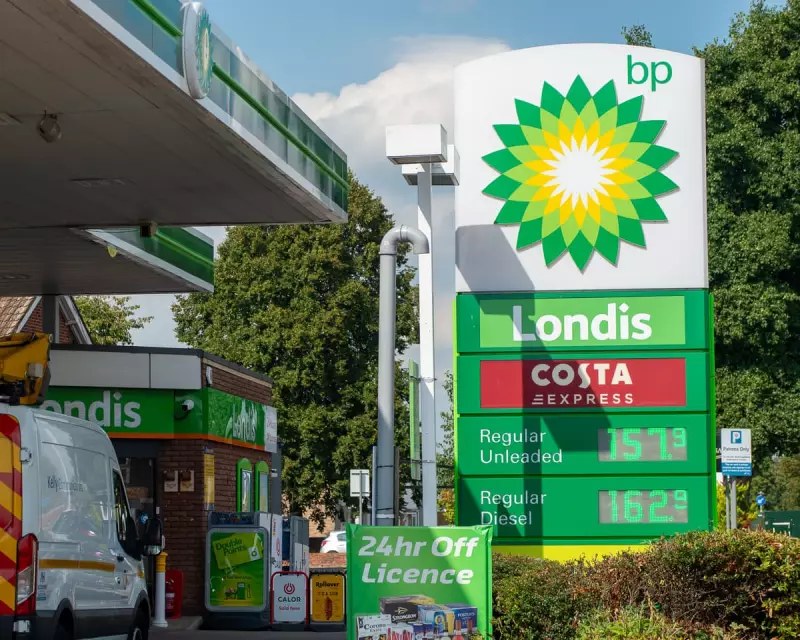
In a move that has raised eyebrows across the City, BP has abruptly replaced its chief executive, Murray Auchincloss, with Meg O'Neill, the current boss of Australian energy group Woodside. The announcement, made by new chair Alfred Manifold, frames the leadership change as a chance to hasten plans for a "simpler, leaner and more profitable" company. However, the market's initial reaction was one of indifference, with BP's share price showing little movement on the news.
A Puzzling Decision on Multiple Fronts
The timing of the switch is seen as curious by many observers. Firstly, Auchincloss appeared to be making headway with investors after executing a significant strategic U-turn earlier this year. He had junked his predecessor's greener transition plan in February, refocusing on boosting investment in oil and gas while cutting funding for clean energy projects—a shift largely demanded by the market. BP's shares have risen 10% this year, buoyed by a major oil and gas discovery in Brazil, performing in line with Shell and outpacing Chevron.
Secondly, Meg O'Neill's track record at Woodside offers limited cause for immediate celebration among shareholders seeking superior returns. While her tenure involved vigorous deal-making and consistent dividend payments, Woodside's share price performance has actually lagged behind BP's since April 2021. Her well-publicised clashes with climate activists in Australia will undoubtedly signal BP's commitment to its oilier path, but that commitment has been clear for the past year.

The Challenge Ahead for the New CEO
O'Neill, a 23-year veteran of ExxonMobil before leading Woodside, is widely expected to be brought in as a stringent cost-cutter. Chair Alfred Manifold stated the change provides an "opportunity to accelerate" the existing plan, but specifics are scarce. BP carries a heavier debt burden than many rivals, which constrains the pace of any transformation. Current strategic goals include selling the Castrol lubricants business and a stake in solar developer Lightsource BP, but the balance sheet's final shape may not be clear until 2027.
Some analysts speculate the Manifold-O'Neill vision could entail a deeper round of asset sales, potentially including BP's extensive "mobility" or petrol station network. However, until O'Neill outlines her specific financial targets—expected several months after she starts in April—investors have little concrete evidence of how her approach will differ. Auchincloss was himself championing a "leaner" operational mantra.
An Intended Culture Shock with Unclear Outcomes
The appointment of an external candidate—a first for BP in the CEO role—suggests a deliberate culture shock is intended. The board, including activist investor Elliott which had pushed for changes, likely seeks a fresh perspective to finally quell persistent speculation about a potential takeover of BP by a larger rival like Shell.
Whether Meg O'Neill can be the turnaround specialist to deliver knockout returns and secure BP's independent future remains the central question. With a falling oil price adding to the challenge, her arrival marks another dramatic chapter for a company striving for stability but once again making a bold, and somewhat puzzling, leap into the unknown.






