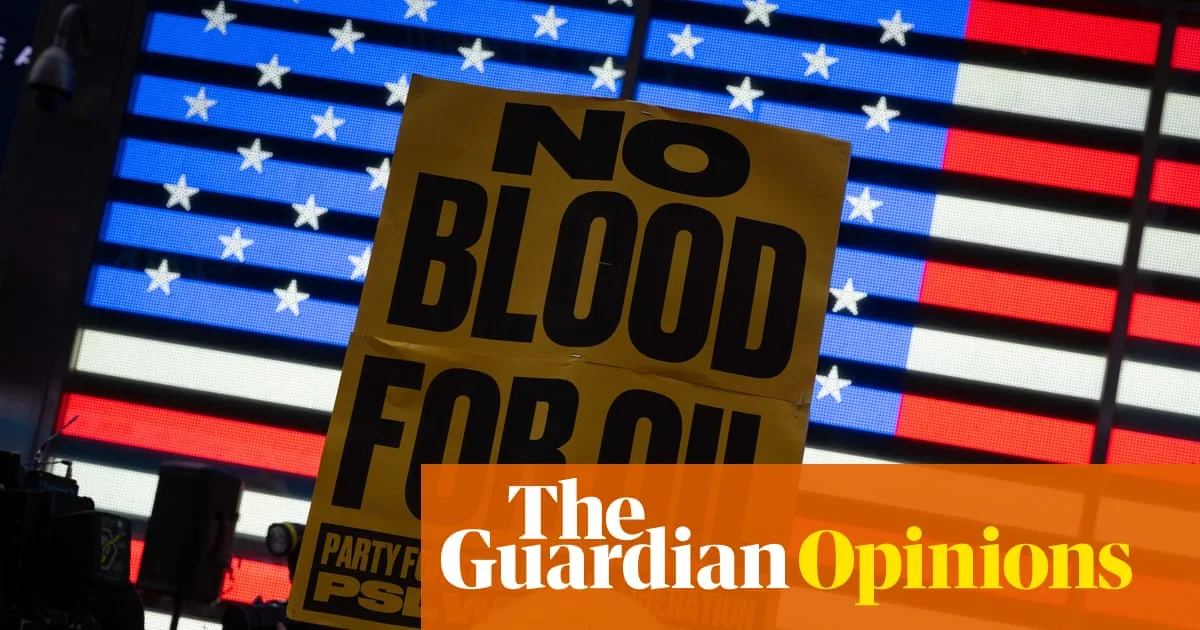
US oil companies are likely to be cautious about rushing back into Venezuela despite Donald Trump’s pledge to unlock the country’s vast reserves, analysts have warned. The president said at the weekend that major US oil firms would “spend billions of dollars, fix the badly broken infrastructure” and “start making money for the country”. However, the reality is far more complex, with high costs, political uncertainty and a history of nationalisation deterring investment.
Chevron, which already operates joint ventures in Venezuela, may be an exception. Its share price rose 4% on the news, reflecting expectations that it could boost production if sanctions are lifted. But for other majors such as Exxon Mobil and ConocoPhillips, the risks are substantial. Rystad Energy estimates that repairing a decade of underinvestment and doubling output to 2m barrels a day by the early 2030s would cost $115bn.
That figure is daunting even for the largest oil companies, especially if Trump simultaneously pushes to lower oil prices to $50 a barrel, capping long-term returns. David Oxley, chief climate and commodities economist at Capital Economics, noted: “Even if the political environment backdrop was more predictable, in a world already awash with oil, the business case for significantly ramping up drilling in Venezuela is far from strong – particularly given the estimated high cost of extracting Venezuela’s ‘heavy’ oil reserves.”
Political questions also remain unanswered. Boardrooms will want clarity on what it means for the US to “run” Venezuela, whether commitments can be made for decades, and what the fiscal regime for oil will be. The Gulf of Mexico, Guyana and Brazil are likely to remain more attractive options. Société Générale analysts highlighted that Venezuela has nationalised oil companies twice, making majors “incredibly cautious” about returning.
While a short-term boost to output may be possible through better operations, a multi-decade project to unlock Venezuela’s wealth requires massive investment with long payback periods. Most oil majors have promised investors share buybacks over high-risk projects. Until the picture becomes clearer, a stampede back into Venezuela is unlikely.