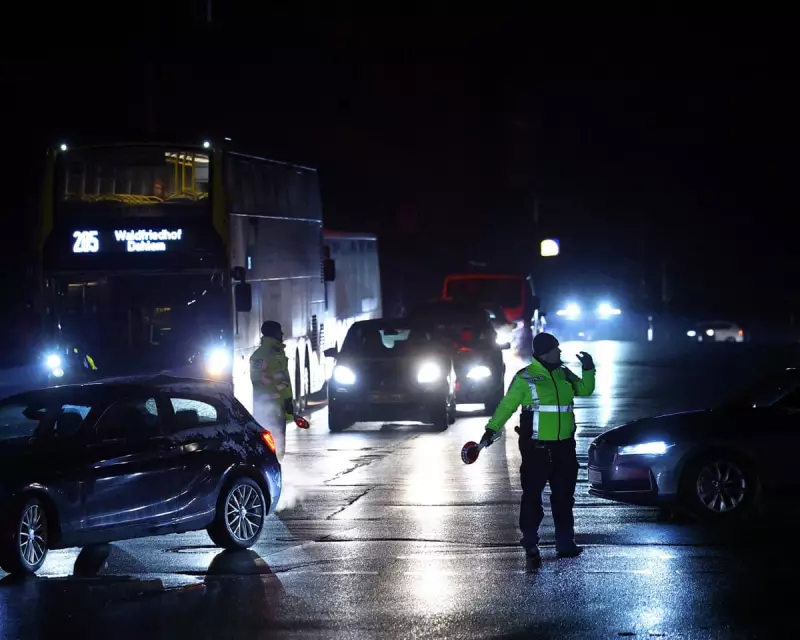
A targeted arson attack on critical energy infrastructure has plunged parts of Berlin into its longest power cut since the Second World War, exposing alarming vulnerabilities and sparking widespread public outrage. The sabotage, which occurred last Saturday, left tens of thousands of residents in the dark and cold for more than three days.
Anatomy of a Sabotage
Left-wing anarchist militants known as the Vulkangruppe, or Volcano Group, have claimed responsibility for the attack. They set fire to a bridge carrying high-voltage cables, deliberately severing the electricity supply to south-western Berlin. Their stated aim was to "turn off the juice of those in power" and protest Germany's reliance on fossil fuels.
The consequences were severe and far-reaching. The blackout affected approximately 45,000 households, 2,000 businesses, four hospitals, 74 care homes, and 20 schools. A significant portion of the public transport network was also crippled. While power was gradually restored, the final 20,000 homes and 850 businesses were only reconnected on Wednesday morning.

Public Anger and a Fragile System
The prolonged outage has left Berliners demanding answers. "How is it possible that the power grid is so insecure?" asked Anar, a cleaner stranded on a train during the blackout. The sentiment was echoed across the city as residents grappled with the reality of a fragile system.
Berlin's energy and economy senator, Franziska Giffey, expressed clear embarrassment during a visit to the affected area. She admitted that publicly available maps likely aided the saboteurs in selecting their target, highlighting a dangerous conflict between transparency and security. Federal state prosecutors have taken over the investigation but, aside from footprints in the snow, have few concrete leads.
Calls for Resilience and Political Fallout
The crisis has triggered urgent calls for greater investment in protecting critical national infrastructure. Manuel Atug of AG Kritis, an expert working group, stated that his organisation has repeatedly warned of such systemic shortfalls. "Resilience costs money," he said, criticising utility companies for only doing the legal minimum and politicians for prioritising visible projects over mundane but vital protections.
The political ramifications are already unfolding. The far-right Alternative für Deutschland (AfD) has sought to capitalise on public frustration, accusing the government of failing to keep citizens safe and even distributing blankets. Meanwhile, an outpouring of community support saw hotels, libraries, and private citizens opening their doors to those affected.
For residents like Silke Peters in Zehlendorf, the event validated a sense of preparedness many now share. Her previously mocked "prepper" supplies, including a crank radio, became essential. "Everyone in Germany is doing it these days," she remarked, noting a cultural shift where readiness is no longer a source of ridicule but a common-sense response to an uncertain world.