X-Seed 4000: The 4km Skyscraper Dream That Would House 1 Million
X-Seed 4000: The 4km Skyscraper Dream That Never Was

Imagine a building so colossal it would make the world's current tallest skyscraper look like a modest structure. This was the vision behind the X-Seed 4000, a breathtaking architectural concept from 1995 that proposed a skyscraper reaching an astonishing 4 kilometres (2.5 miles) into the sky.

The Colossal Vision: A Floating Metropolis

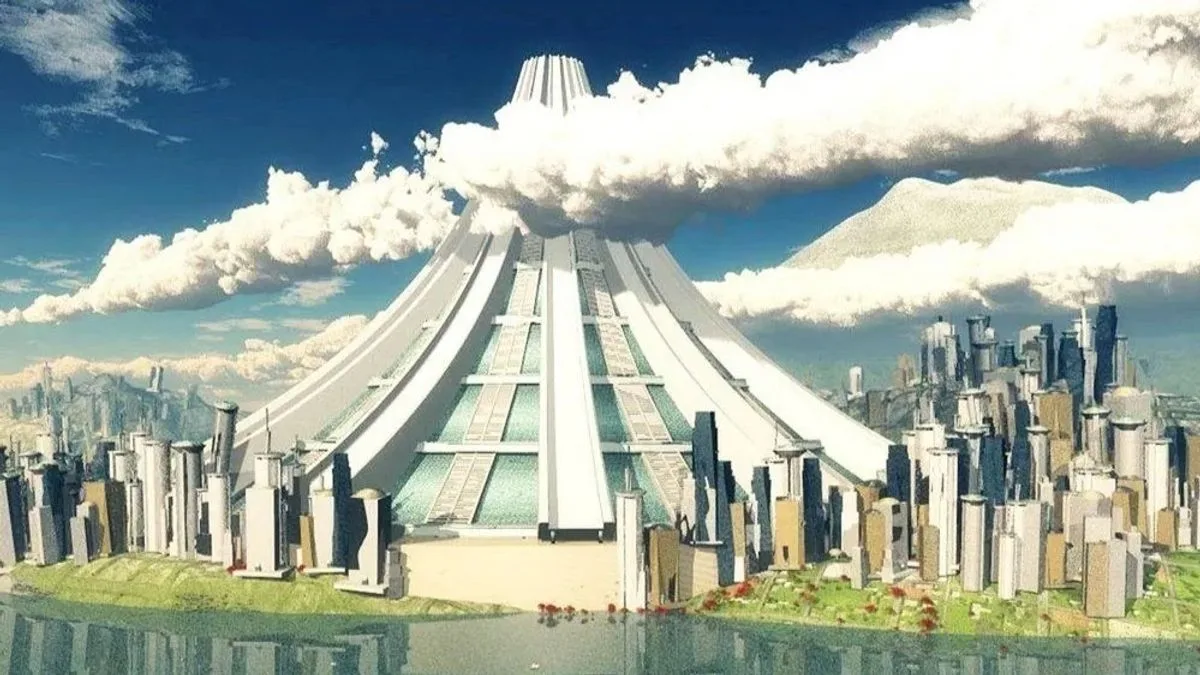
Designed by the Japanese construction giant Taisei Corporation, the X-Seed 4000 was conceived as a floating artificial island, with Tokyo Bay being the primary considered location. Its iconic silhouette was directly inspired by the graceful slopes of Mount Fuji, a design choice intended to provide structural stability against oceanic forces and seismic activity common to the region.

The scale of the project was almost beyond comprehension. The proposed structure would have been five times taller than Dubai's Burj Khalifa, which stands at 828 metres. With a planned width of 6 kilometres, it would have contained an estimated 800 floors, designed to be a fully self-contained city for between 500,000 and one million residents.

More Than a Building: A City in the Sky

The ambition extended far beyond mere residential space. The vision for the X-Seed 4000 was to create a vertical metropolis, complete with its own business centres, commercial districts, recreational facilities, and research institutions. Engineers even had to consider internal air pressure regulations to protect inhabitants from altitude-related illnesses.

Such an endeavour came with an eye-watering material requirement: approximately 3,000,000 tons of steel. The estimated financial cost was equally staggering, with figures around $1 trillion making the project a monumental economic challenge.

Why the Dream Remained on the Shelf

Despite brief rumours of a revival in 2007, the X-Seed 4000 never progressed beyond the concept stage. Shohei Ogawa, a planning manager at Taisei, later confirmed the project was "on the shelf," describing it as a "dream proposal" for anticipated future technological advances.

Industry experts have suggested the primary goal was always to showcase Taisei's innovative prowess rather than to construct a real building. George Blinder of Buildings & Data stated, "It was never meant to be built. The purpose of the plan was to earn some recognition for the firm, and it worked."

While architect Erik Howeler acknowledged that engineering such a tall building was theoretically "possible," he highlighted critical feasibility issues. The astronomical cost, immense logistical permissions, and practical concerns like the creation of powerful downdrafts and long shadows at its base presented insurmountable hurdles. The project also faced significant scrutiny over its environmental impact and safety protocols.

The concept continues to capture public imagination, often drawing comparisons to sci-fi cities from franchises like *Halo* and *Transformers*. It stands as a powerful testament to human ambition—a dream of vertical living that pushed the boundaries of imagination, yet remains firmly grounded in the realm of concept art.