Victoria's Cabinet Approves Sweeping Work-From-Home Legislation
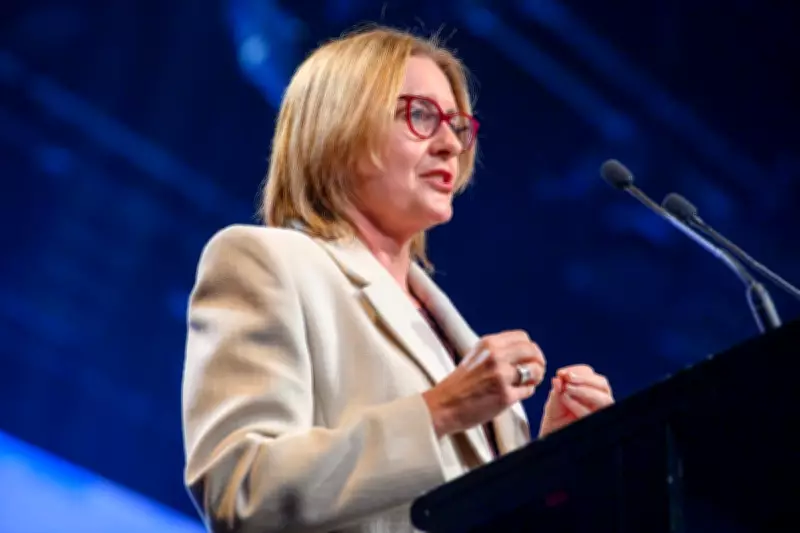
Victorian Premier Jacinta Allan's cabinet convened on Monday to formally approve proposed new work-from-home legislation, a central component of the Labor Party's re-election strategy. The premier is set to announce that all Victorian businesses, irrespective of size, will be subject to the laws once enacted, marking a significant policy shift.
No Exemptions for Small Businesses
In a move emphasising fairness, Premier Allan confirmed that small employers will not be exempt from the legislation designed to grant employees the right to work offsite for two days each week. This decision represents a departure from earlier indications last year that the government might consider exemptions for smaller enterprises.
"If you can work from home for a small business, you deserve the same rights as someone working for a big bank," Allan stated, highlighting that while many large organisations already offer flexibility, such arrangements are less prevalent in small businesses, which employ approximately 1.3 million Victorians.

Legislative Details and Enforcement Challenges
The legislation, announced last year, aims to establish a legal right for both public and private sector workers to work from home two days a week where it is "reasonably" feasible. However, enforcement remains a complex issue, as Victoria, like other Australian states, transferred its industrial relations powers to the Commonwealth years ago.
This policy initiative is seen as a strategic manoeuvre to pressure the state opposition, following the issue's prominence in the 2025 federal election campaign. During that campaign, federal opposition leader Peter Dutton retreated from a proposal to limit work-from-home arrangements for public servants after facing significant backlash.
Business Community Opposition
Business groups have uniformly criticised the Victorian plan, arguing that work-from-home arrangements should be negotiated directly between employers and employees. The Council of Small Business Organisations Australia (COSBOA) condemned the policy as "yet another example of the Victorian government steamrolling small business without proper consultation."
Matthew Addison, chair of COSBOA, expressed frustration, stating, "Small businesses are the backbone of Victoria's economy, employing millions of Victorians, yet once again we've been completely sidelined in the development of workplace policy that will fundamentally impact how we operate." The group had advocated for exemptions for businesses with fewer than 50 full-time employees due to potential adverse effects.
Government Justification and Opposition Response
Premier Allan defended the policy, citing benefits such as increased workforce participation, financial savings for families, and reduced traffic congestion. "It saves time and money and gets more parents working," she asserted. "Not everyone can work from home, but everyone can benefit."
Opposition Leader Jess Wilson, speaking at a business event last week, declined to take a definitive stance on the policy but noted the Liberal Party's "longstanding history" of supporting flexible working arrangements. "I completely understand that working from home is here to stay. So if the premier wants to put forward a proposal, we will look at that," Wilson said, adding that it is now the premier's responsibility to present the legislation.
Further announcements regarding the work-from-home legislation are anticipated during the current parliamentary sitting week, as the government moves forward with this contentious yet pivotal policy initiative.