Millions of Britain's lowest-paid workers are set to receive a significant financial uplift as new wage rates come into force from April 2026. The changes, which were originally outlined in the November 2025 budget, will see both the National Living Wage and National Minimum Wage increase substantially, providing a welcome boost to household incomes during a period of ongoing economic pressure.
Substantial Increases Across All Age Groups
From April 1st, 2026, the National Living Wage for workers aged 21 and over will rise by 4.1% to £12.71 per hour. According to government calculations, this increase will deliver an annual gross earnings boost of approximately £900 for full-time workers on this rate, benefiting around 2.4 million low-paid individuals across the country.
In total, approximately 2.7 million workers will gain from wage increases this year as both the National Living Wage and National Minimum Wage see upward adjustments. The government has confirmed that while full-time workers on the National Living Wage will receive the £900 annual increase, those on the 18-20 National Minimum Wage rate will experience an even more substantial uplift of £1,500 per year.
Closing the Gap Between Age Groups
The National Minimum Wage rate for 18 to 20-year-olds will see a particularly sharp increase of 8.5%, rising to £10.85 per hour. This significant jump represents a deliberate move to narrow the divide with the National Living Wage and represents continued progress toward the government's stated objective of eventually eliminating separate wage bands for 18 to 20-year-olds and creating a single adult rate.
For younger workers, the National Minimum Wage for 16 to 17-year-olds and apprentices will increase by 6% to £8 per hour. Additionally, the accommodation offset rate will rise by 4.1% to £11.10 per hour.
Government Commitment to Supporting Low Earners
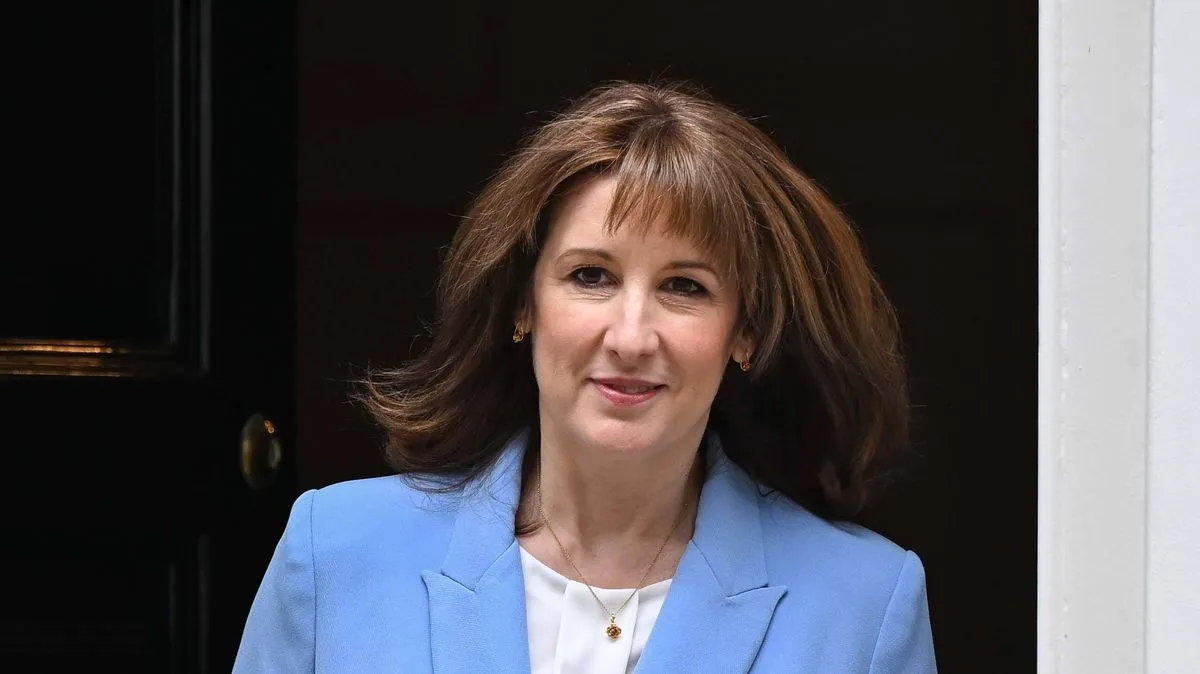
Chancellor Rachel Reeves, who accepted recommendations from the Low Pay Commission to implement these changes, emphasized the government's commitment to properly rewarding those on lower incomes. In her announcement, she acknowledged the ongoing challenges facing working people across the nation.
"I know that the cost of living is still the number one issue for working people and that the economy isn't working well enough for those on the lowest incomes," stated Chancellor Reeves. "Too many people are still struggling to make ends meet, and that has to change. That's why today I'm announcing that we will raise the National Living Wage and also the National Minimum Wage, so that those on low incomes are properly rewarded for their hard work."
The Chancellor further highlighted the particular benefit these changes would bring to younger workers, noting that "These changes are going to benefit many young people across our country, getting their first job."
Complete Breakdown of New Rates
The new wage rates taking effect from April 2026 are as follows:
- National Living Wage (21 and over): £12.71 per hour (increase of 50p, representing 4.1%)
- 18-20 Years Old Rate: £10.85 per hour (increase of 85p, representing 8.5%)
- 16-17 Year Old Rate: £8.00 per hour (increase of 45p, representing 6.0%)
- Apprentice Rate: £8.00 per hour (increase of 45p, representing 6.0%)
- Accommodation Offset: £11.10 per hour (increase of 44p, representing 4.1%)
Hospitality Sector Expresses Concerns
While the wage increases have been welcomed by workers and unions, the beleaguered hospitality sector has raised significant concerns about the financial impact on businesses already struggling with multiple cost pressures. Industry representatives have pointed to these minimum wage hikes, combined with increased national insurance payments, as contributing factors to business closures and job losses across the sector.
Kate Nicholls, chair of UKHospitality, voiced her organization's apprehension about the additional burden facing hospitality businesses. "Increases to minimum wage rates are yet another cost for hospitality businesses to balance, at a time when they are already being taxed out," she stated.
Nicholls emphasized the need for corresponding government support, arguing that "These additional costs make action at the Budget to reduce hospitality's tax burden even more important, especially if businesses are expected to sustain this level of annual wage increase."
The hospitality leader warned that businesses have reached their limit in absorbing additional costs, noting that "Hospitality businesses have reached their limit of absorbing seemingly endless additional costs. They will simply all be passed through to the consumer, ultimately fuelling inflation."
This tension between supporting low-paid workers and maintaining business viability highlights the complex economic balancing act facing policymakers as they implement wage increases designed to improve living standards while managing broader economic impacts.