Employment Tribunal Dismisses Discrimination Claim Over Christmas Party Exclusion
An employment tribunal has delivered a significant ruling that purposefully excluding a worker with agoraphobia from a festive office gathering was acceptable under current UK employment legislation. The judgment determined that while the decision was directly connected to the employee's mental health condition, it represented a justified and proportionate response by the employer.
Case Background: Shelby Caughman's Employment Dispute
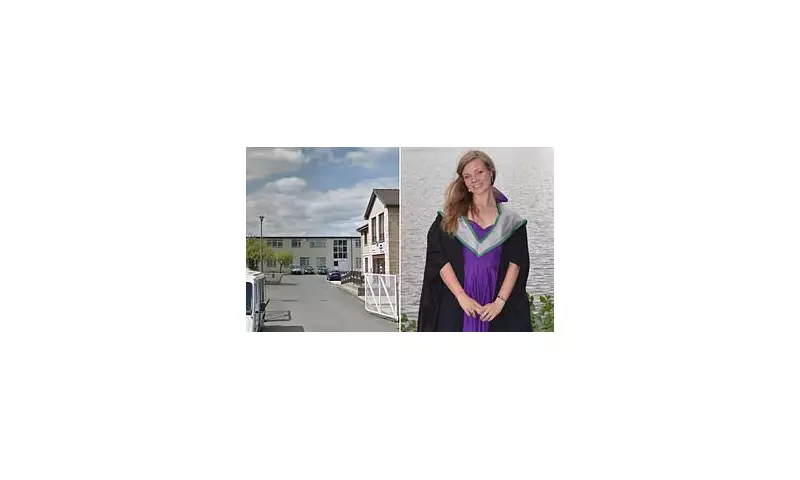
The case centred on ecologist Shelby Caughman, who initiated legal proceedings against her employer, Echoes Ecology, after being deliberately omitted from invitations to a small Christmas party. Ms Caughman, who worked as a consultant ecologist from April 2023 alongside seven colleagues, suffers from multiple conditions including agoraphobia, ADHD, autism, and complex post-traumatic stress disorder.
Her agoraphobia diagnosis specifically involves significant anxiety about leaving home or being in crowded environments. The company was fully aware of her health conditions throughout her employment period.

Chronology of Events Leading to Tribunal
Ms Caughman had raised several formal grievances regarding work-related stress and what she perceived as insufficient reasonable adjustments in the workplace. Following mental health difficulties in June 2024, she took statutory sick leave with plans for a phased return to work.
From July 2024 onward, she remained on extended sick leave until her resignation in February 2025. During this absence, Echoes Ecology maintained contact regarding her potential return, commissioning an occupational health assessment to facilitate this process.
The Occupational Health Report and Its Interpretation
The occupational therapist's report recommended specific adjustments to support Ms Caughman's return, including flexible working hours and remote working arrangements. The document also indicated that she sought exemption from team meetings and social gatherings.
However, Ms Caughman later clarified during discussions that she disagreed with the wording regarding social gathering exemptions, explaining that she enjoyed such events and simply wanted the choice about attendance rather than automatic exclusion.
The Christmas Party Decision and Subsequent Communications
When the company organised its December Christmas celebration, management consciously decided against inviting Ms Caughman. They based this decision on their interpretation of the occupational health report and her expressed feelings of being 'overwhelmed' about returning to work, which she had discussed with them.
The employer stated they aimed to 'avoid creating further anxiety' by extending an invitation they believed would cause distress. When Ms Caughman noticed her exclusion and inquired, the company explained they considered it would be 'insensitive' to invite her given their understanding of her situation, while apologising for any misinterpretation.
Tribunal Findings and Legal Reasoning
Employment Judge Peter O'Donnell acknowledged that excluding Ms Caughman from the Christmas event constituted discrimination arising from disability. The judgment stated this occurred because of 'something' connected to her disability – specifically her work absence and the employer's belief that inviting her would be insensitive given their understanding of her fitness to attend.
However, the tribunal crucially determined this discrimination was objectively justified. Judge O'Donnell noted: '[Echoes Ecology] clearly had the legitimate aim of seeking to avoid causing [Ms Caughman] additional distress of inviting her to an event where it appeared that she did not wish to attend and would not be fit to do so.'
The tribunal accepted that while Ms Caughman's actual position differed from the employer's understanding, Echoes Ecology held a genuine belief based on the occupational health report's content, which remained uncontradicted at the decision-making time.

Broader Implications and Additional Claims
This ruling establishes important precedent regarding how employers can navigate complex situations involving mental health conditions and social events. The tribunal emphasised that employers may have justification for decisions that might otherwise appear discriminatory if they act on reasonable beliefs about an employee's welfare.
Ms Caughman's additional claims for harassment, victimisation, failure to make reasonable adjustments, and constructive dismissal were all unsuccessful in this proceeding. The judgment highlights the nuanced balance employers must strike between inclusion and duty of care in workplace environments.