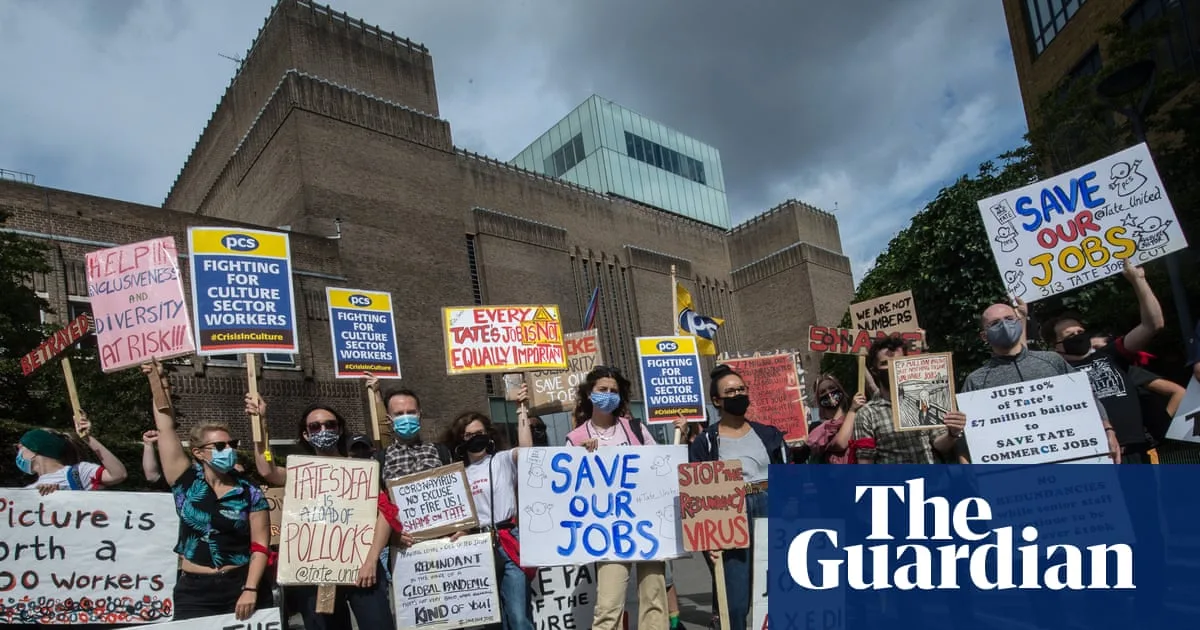
Staff at Tate have voted overwhelmingly to strike over pay, raising the possibility of disruption to major exhibitions. More than 150 workers will walk out from 26 November to 2 December after a ballot by the Public and Commercial Services Union (PCS) saw 98% of members vote for action on a turnout of over 87%.
Workers at all four Tate galleries—Tate Britain, Tate Modern, Tate Liverpool, and Tate St Ives—were offered a salary increase of between 2% and 3%. However, the PCS described the offer as 'inadequate' amid rising living costs and concerns about endemic low pay. The union is one of three representing staff; the other two have accepted the deal, but PCS members have a significant presence across the organisation.
The strike could cause operational issues in the lead-up to Christmas, potentially affecting the new Turner & Constable: Rivals & Originals show opening on 27 November at Tate Britain. PCS general secretary Fran Heathcote said: 'With many Tate directors receiving six-figure pay packages and five-figure bonuses while staff are condemned to in-work poverty, it is no wonder we have seen such an overwhelming vote for strike action.' She called the offer 'insulting' and demanded an above-inflation pay rise, the return of staff benefits including a staff canteen and subsidised meals, and criticised the withdrawal of access to the civil service pension scheme for new starters from 2021.
A Tate spokesperson said: 'Tate has made careful savings this year in order to invest in staff pay and still achieve a balanced budget. This includes a 3% salary increase for most roles – including all employees on the lowest three pay bands – while directors are taking a 0% increase to help balance the overall costs. It is only by creating and maintaining a sustainable financial model that we can continue to invest in our staff in the long term.'
If no agreement is reached, the action could continue into the new year, potentially affecting shows including Tracey Emin's exhibition at Tate Modern opening in February. The ballot result follows earlier restructuring in which 40 roles were cut to address a funding deficit from the pandemic. Tate's director, Maria Balshaw, has defended the organisation, noting rising visitor numbers and Tate Modern's status as the most visited museum of modern art in the world.