

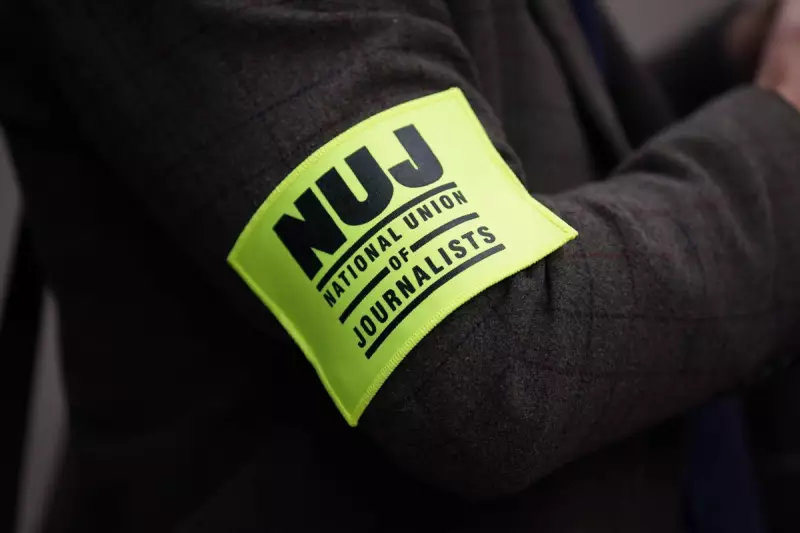
Journalists at Scottish broadcaster STV have begun strike action in a significant dispute over major changes to its flagship evening news programme, which unions warn could lead to dozens of job losses.
Picket lines established in Glasgow and Aberdeen
Picket lines were set up outside STV's offices in Glasgow from 8:30am and at its Aberdeen base from 11am on Wednesday morning. The industrial action follows the company's controversial announcement that it plans to axe the dedicated north of Scotland edition of its STV News At 6 programme. The broadcaster intends to produce a single, unified programme from its Glasgow studio, with approximately 30% of the content tailored for northern viewers.
Overwhelming mandate for strike action
The walkout has strong backing from the National Union of Journalists (NUJ). In a strike ballot held in December, a decisive 94% of members who voted supported strike action, while an even larger 98% endorsed action short of a strike. The union has condemned STV's plans, labelling them "bad for viewers" and "bad for journalism" in northern Scotland.

Nick McGowan-Lowe, NUJ national organiser for Scotland, expressed the depth of feeling among staff. "Our members are angry at the lack of leadership from the top of the company, angry at management’s handling of the proposed changes, and angry that their colleagues are facing compulsory redundancies because of the company’s financial mismanagement," he said. He added that it was not too late for management to reconsider and avoid damaging strikes.
STV defends "sustainable" news plans
In response, an STV spokesperson stated that the union's action was "ill-timed," arguing that consultation was ongoing and that progress had been made in reducing the impact on jobs. The company claims its cost-saving plan now affects 28 roles across its newsrooms, with most reductions being achieved through voluntary redundancy or redeployment.
The spokesperson emphasised STV's position as a commercial broadcaster with public service commitments, for which it receives no direct public funding. "Our request to Ofcom for changes to the news commitments in our licences, which they propose to accept, ensures the delivery of newsgathering and coverage right across Scotland on a sustainable basis for the company," they said. The plans also include an expansion of STV's digital news service to reflect changing audience habits.
This dispute follows earlier, more extensive proposals to merge both central belt and northern news programmes, which were later scaled back by STV executives. The outcome of this strike and the ongoing consultations will significantly shape the future of regional news coverage in Scotland.






