

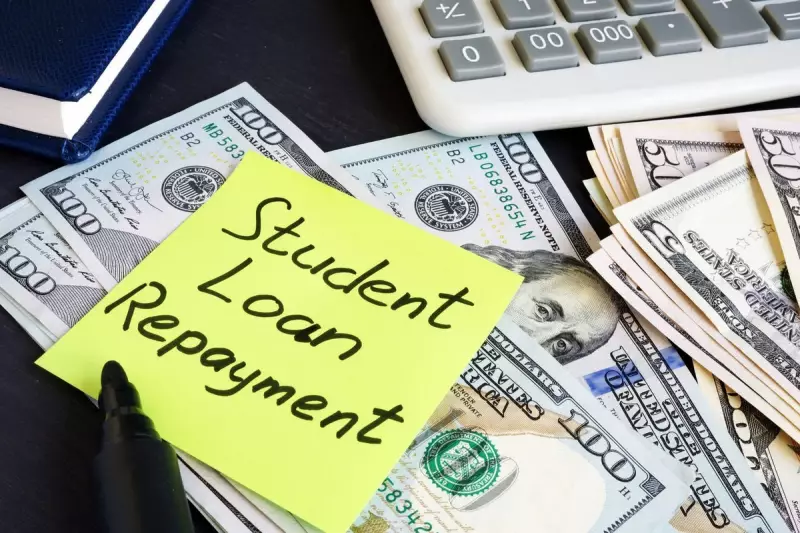
Millions of Britons with US federal student loan debt are being warned that wage garnishment is set to resume in 2026, with official notification letters due to be dispatched within days.
Garnishment Notices to Begin in January
The US Department of Education will restart the controversial practice of wage garnishment for an estimated 5.3 million borrowers who have defaulted on their loans. The first batch of warning letters is scheduled to go out the week beginning 7th January 2026.
This collection method, which allows the government to directly deduct money from a borrower's paycheck, was paused during the pandemic but is now returning as standard federal policy. Borrowers will be notified at least 30 days before any deductions begin.

What Default Means for Borrowers
A borrower is considered in default when they are 270 days past due on their payments. Once garnishment starts, it can legally take up to 15% of a borrower's disposable pay. The process continues until the defaulted loan is fully paid or the borrower's default status is formally resolved.
Debt expert Leslie H. Tayne, founder of the New York-based Tayne Law Group, urges borrowers not to panic but to act swiftly. "The prospect of wage garnishment can be scary, but it shouldn’t stop you from taking action," Tayne told The Independent.
"A lot of borrowers who are in default avoid their lenders due to shame or not having income to make the payments, but communication with debt repayment is key," she advised. "Often, the lender can offer a helpful solution that can assist the borrower in getting back on their feet."
Key Steps to Avoid or Stop Garnishment
Financial and legal experts highlight several crucial actions borrowers can take to avoid or halt wage garnishment:
- Communicate early with your loan servicer or the Department of Education to explore all available solutions.
- Consider entering a formal loan rehabilitation payment plan, which can remove the default status from your credit report after a series of agreed payments.
- Look into consolidating your loans into a new Direct Consolidation Loan, which also clears the default status.
- If possible, pay off the loan in full to stop proceedings immediately.
- If garnishment becomes unavoidable, adjust your budget and expenses proactively to account for the reduced income.
The resumption of this practice underscores the importance of addressing student debt head-on. Ignoring the problem, experts warn, will only lead to more severe financial consequences, including damaged credit and sustained reductions in take-home pay.






