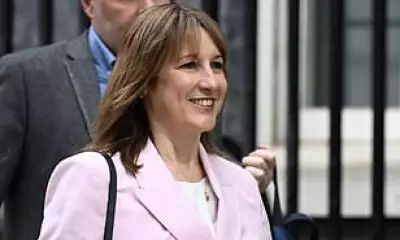
The Department for Work and Pensions (DWP) has issued a significant update regarding tax obligations for State Pension recipients, providing much-needed clarity for millions of elderly individuals across the United Kingdom. In a parliamentary statement, Pensions Minister Torsten Bell confirmed that pensioners whose sole income consists of the flat rate New or Basic State Pension will not be required to pay tax in the upcoming financial year, even if their pension amount exceeds the Personal Allowance threshold of £12,570.
Parliamentary Assurance on Tax Obligations
This announcement came during DWP questions in Parliament, where Conservative MP Dr Luke Evans raised concerns about the recent Finance Bill vote. Dr Evans highlighted that the legislation did not include provisions to prevent pensioners from paying tax on their State Pension when it represents their only source of income, despite Chancellor Rachel Reeves' previous commitment during the Autumn Budget to address this issue.
"In the Budget, the Chancellor froze thresholds, which brings state pensioners into paying tax," Dr Evans stated. "This was raised with the Chancellor, who said that she did not want that to happen and that she would create a workaround. However, only two weeks ago we voted on the Finance Bill, which the Labour party pushed through, and as it stands that means that pensioners will pay tax on their state pension."

Minister's Detailed Response
In response to these concerns, Pensions Minister Torsten Bell provided comprehensive reassurance to the Hinckley and Bosworth MP and the wider pensioner community. "It has been confirmed that those whose income is only the basic level of the Basic State Pension or the New State Pension will not be required to pay tax next year, because the level of Personal Allowance has been set above the level of the new state pension," Mr Bell explained.
He further elaborated on the government's long-term approach: "What the Chancellor said at the Budget was that in future years we will make sure that no pensioner will be required to fill in a Self-Assessment form, or indeed a simple Self-Assessment form, for any tax that is due because the new state pension level is above that of the personal allowance."
Upcoming State Pension Increases
This tax clarification comes alongside confirmation of substantial State Pension increases scheduled for April 2026. Secretary of State for Work and Pensions Pat McFadden has recently presented proposed rates for the 2026/27 financial year to Parliament, with these new payment levels set to take effect from April 6th.
The rise will see recipients of the full New State Pension receive £241.30 per week, representing a significant increase from the current £230.25. Those on the maximum Basic State Pension would receive £184.90 weekly, up from £176.45. Annually, this translates to £12,547 for the New State Pension and £9,614 for the Basic State Pension.
Detailed Payment Breakdown
The DWP has provided comprehensive details of the new payment structure:
- Full New State Pension: Weekly: £241.30, Four-weekly: £965.20, Annual: £12,547
- Full Basic State Pension: Weekly: £184.90, Four-weekly: £739.60, Annual: £9,614
- Category B Basic State Pension: £110.75 weekly (for spouse or civil partner's insurance)
- Category C or D Non-contributory Pension: £110.75 weekly
It's important to note that State Pension amounts are determined by National Insurance contributions, with approximately 35 years required to qualify for the full New State Pension, though this may vary for those who were 'contracted out' during their working lives.
Understanding Tax Obligations
According to official guidance on GOV.UK, individuals pay tax when their total annual income exceeds their Personal Allowance. Total income assessment includes not only State Pension (both Basic and New State Pension) but also Additional State Pension, private pensions (workplace or personal), earnings from employment or self-employment, taxable benefits, and other income sources such as investments, property, or savings.

The DWP has emphasised that while the Personal Allowance threshold remains frozen at £12,570 until April 2030, specific measures will ensure that pensioners whose only income is the State Pension will not face tax liabilities or the administrative burden of completing Self Assessment returns in the coming year.
Practical Guidance for Pensioners
For pensioners seeking to understand their specific tax situation, the government provides an online tool on GOV.UK to check whether tax payments are required. Before using this tool, individuals need to know if they receive a State Pension or private pension, the amount of pension income expected during the tax year (April 6 to April 5), and the value of any other taxable income from employment or state benefits.
It's worth noting that this tool cannot be used by individuals receiving foreign income, Marriage Allowance, or Blind Person's Allowance. The comprehensive guide to tax obligations for pension recipients remains available on the official government website, providing detailed information for those navigating this complex financial landscape.
This dual announcement regarding both tax clarification and pension increases represents significant news for the UK's pensioner population, offering both financial reassurance and practical benefits as they plan their household budgets for the coming year.