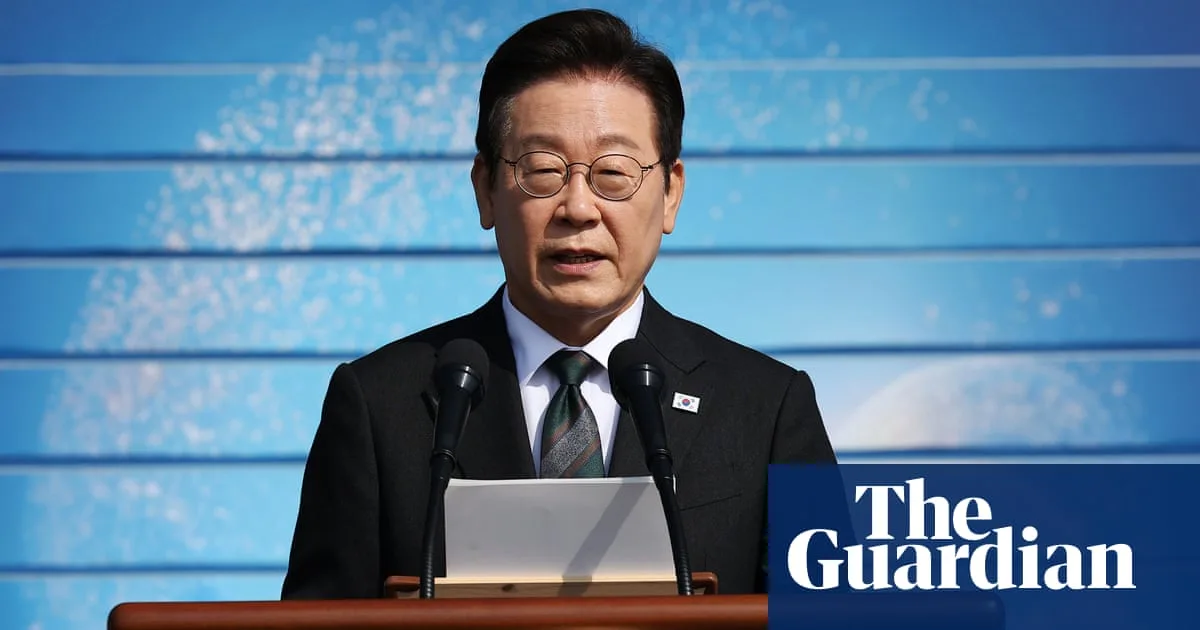
South Korean President Lee Jae Myung has called for 'all-out' diplomatic efforts to protect citizens in Cambodia after a university student was lured there by a scam ring and allegedly tortured to death. The president said at a cabinet meeting on Tuesday that 'protecting the lives and safety of citizens is the government's greatest responsibility' and urged the swift repatriation of those caught up in such scams.
The number of kidnappings of South Koreans in Cambodia has surged, with cases rising from 17 in 2023 to 220 last year, and 330 recorded by August this year, according to data from the foreign ministry. Victims are typically enticed with promises of high-paying jobs before being confined and forced to participate in online fraud, including voice phishing. Those who resist are beaten with pipes and electric shock devices.
The body of 22-year-old Park Min-ho remains in Cambodia more than two months after his death. Family members said the situation was 'killing him twice' as his remains are still in cold storage. South Korea is seeking a joint autopsy. Three Chinese nationals have been charged with murder and online fraud in connection with Park's death; two suspects remain at large.
Cambodian authorities said Park died from 'severe torture' with bruising across his body. A witness who was confined with him reported that he was beaten so severely he could not walk or breathe and died in a vehicle on the way to hospital. South Korea plans to send police to Cambodia to establish a 'Korean desk' for direct cooperation, with meetings scheduled next week.
Cambodia's interior ministry disputed some reports, saying it did not receive complaints from Park's family or the Korean embassy before discovering his body during a patrol. It said it was cooperating with Korean officials. Amnesty International recently identified 53 large-scale scam compounds in Cambodia and accused the government of enabling them through inaction.